
Tesla and SpaceX Halt Tokenized Stock Trading on OKX-ICE Platform
The move signals growing friction between Elon Musk's companies and the crypto trading ecosystem, particularly regarding how traditional assets get tokenized and traded on blockchain-based venues. What Happened Tesla and SpaceX have officially blocked their stock from trading on OKX-ICE, a tok
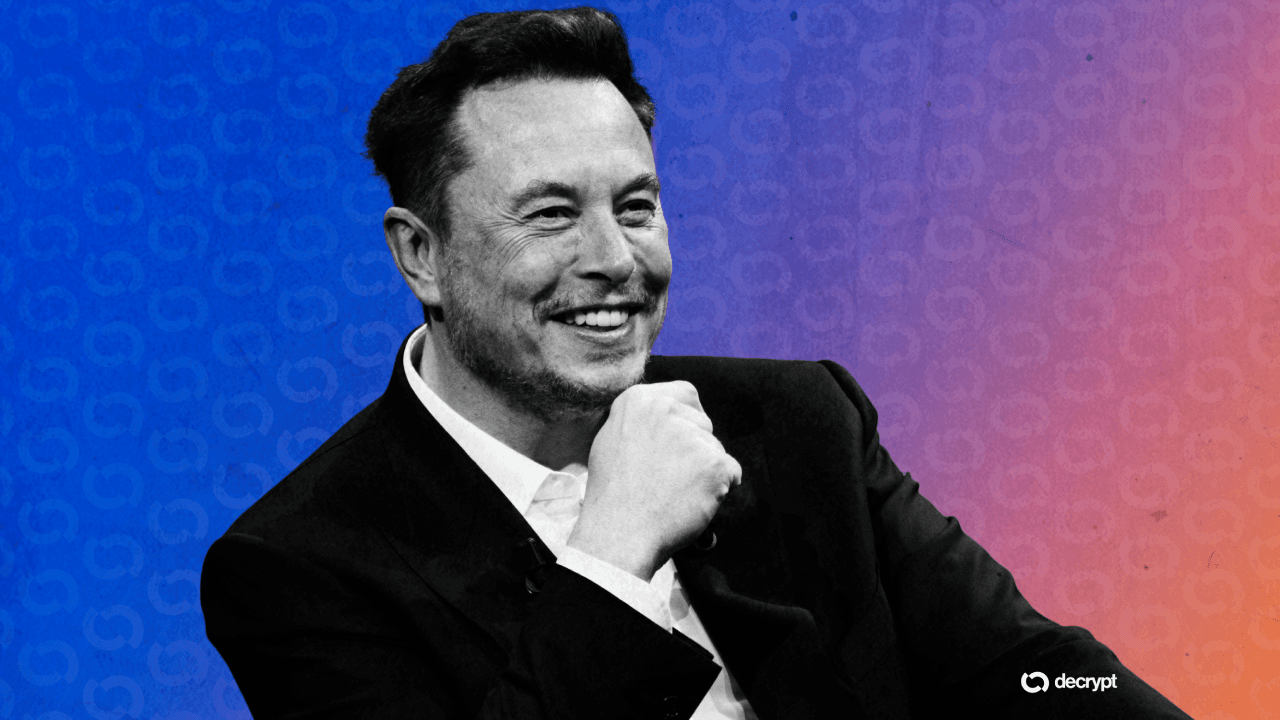
The move signals growing friction between Elon Musk's companies and the crypto trading ecosystem, particularly regarding how traditional assets get tokenized and traded on blockchain-based venues.
What Happened
Tesla and SpaceX have officially blocked their stock from trading on OKX-ICE, a tokenized securities platform operated by crypto exchange OKX in partnership with ICE (Intercontinental Exchange). The decision represents a significant pushback against the proliferation of tokenized equities in the crypto space.
Both companies took action to prevent their shares from being wrapped into digital tokens and traded on the platform. This isn't a minor technical detail—it's a direct statement about how Musk's firms want their securities handled in the evolving crypto and blockchain landscape.
Why This Matters for Crypto Markets
The block underscores a critical tension in the crypto industry: while blockchain technology enables fractional ownership and 24/7 trading of traditional assets, many corporations aren't comfortable with their stock trading on decentralized or semi-decentralized venues. They prefer controlled environments regulated by traditional finance.
OKX-ICE operates in a gray zone. It bridges traditional finance infrastructure with crypto trading mechanics, offering tokenized versions of major stocks. For crypto traders and portfolio managers, this creates liquidity opportunities. But for companies like Tesla and SpaceX, uncontrolled tokenization presents reputational and legal risks.
The timing is significant too. We've seen the tokenized securities market grow substantially over the past 18 months, with platforms competing to list major equities. Tesla and SpaceX's block suggests they're not joining this trend voluntarily.
Broader Implications for Crypto Intelligence
For market participants tracking crypto adoption and institutional integration, this is a telling datapoint. It shows that:
1. Corporate gatekeeping remains strong: Major companies will actively prevent their assets from trading on crypto-adjacent venues when they can.
2. Tokenized securities face resistance: Despite hype around real-world asset (RWA) tokenization, even pro-crypto billionaires are protecting their own equity from the treatment they might advocate for other assets.
3. Regulatory ambiguity matters: Without clear SEC guidance on tokenized stock trading, corporations will err on the side of caution.
The decision also reflects Musk's complicated relationship with crypto. He's bullish on Bitcoin and has integrated crypto into Tesla's treasury strategy, yet he's simultaneously protective of how his companies' securities are handled. This isn't hypocrisy—it's pragmatism.
Alpha Take
Tesla and SpaceX blocking OKX-ICE highlights a critical reality: mainstream crypto adoption faces friction from established players who understand regulatory exposure. For traders and portfolio managers, this signals that tokenized equity platforms will need institutional cooperation to scale meaningfully. Watch for other major corporations following suit or, conversely, embracing tokenization—either path tells us about crypto's real integration trajectory into traditional finance. The gap between crypto's technological capability and corporate willingness to participate remains wider than the narrative suggests.
Originally reported by
Decrypt
Not financial advice. Crypto investing involves significant risk. Past performance does not guarantee future results. Always do your own research.