
Tesla's Earnings Collapse 43% as Musk Doubles Down on Robotics and Autonomous Vehicles
Tesla's profitability just took a significant hit, and it's not because of slowing EV demand—it's strategic spending on next-generation tech that's reshaping the company's future trajectory. The numbers tell the story: Tesla pulled in $787 million in net income last quarter, a sharp 43% decline fr
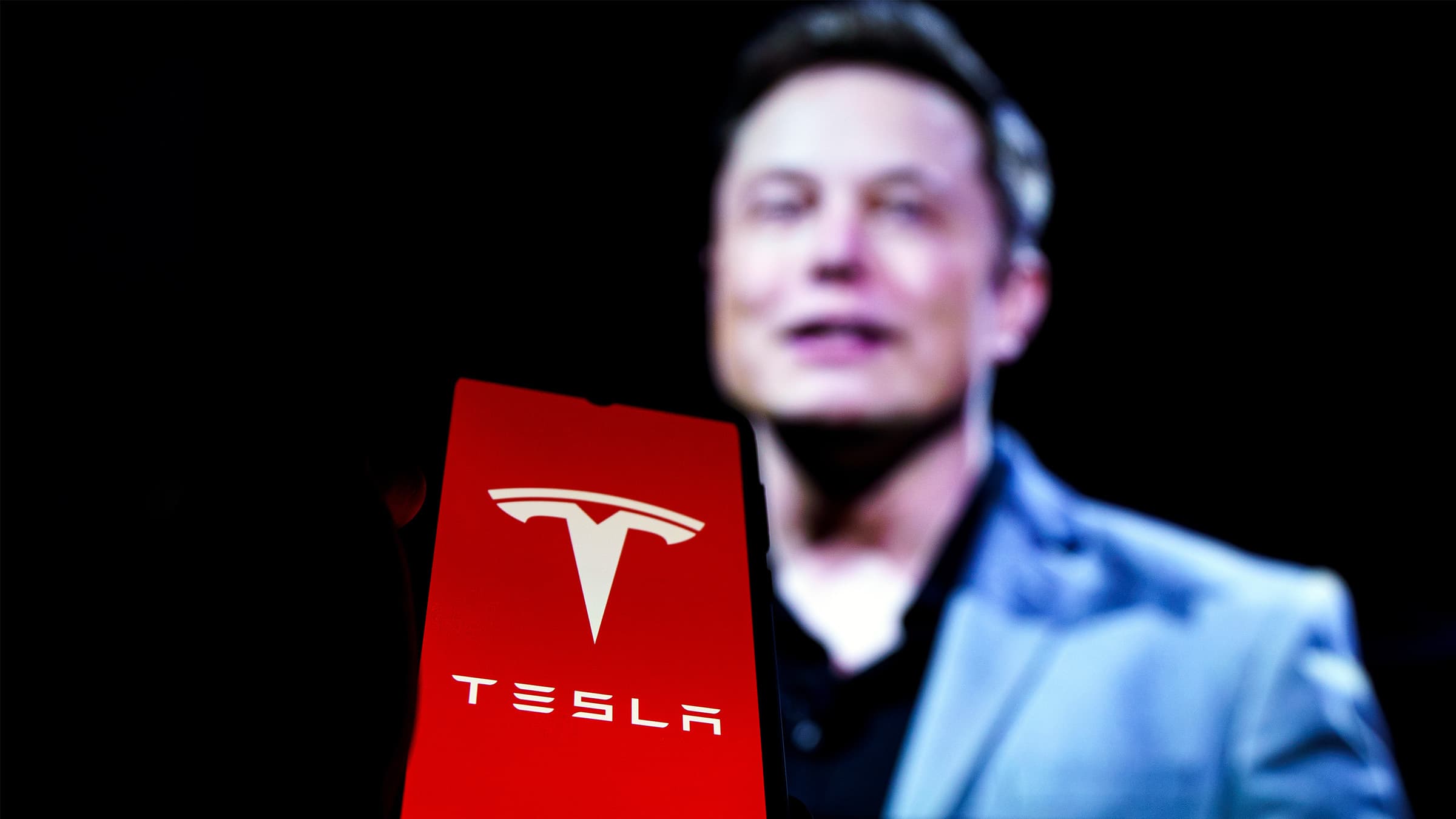
Tesla's profitability just took a significant hit, and it's not because of slowing EV demand—it's strategic spending on next-generation tech that's reshaping the company's future trajectory.
The numbers tell the story: Tesla pulled in $787 million in net income last quarter, a sharp 43% decline from the prior period's $1.37 billion. That's the kind of margin compression that typically sends traders scrambling, but the real narrative here is about capital allocation and long-term positioning.
Where the Money's Going
Elon Musk isn't cutting costs to protect quarterly earnings. Instead, Tesla is aggressively ramping spending on two bets that could fundamentally redefine the company's value proposition: the Optimus humanoid robot and fully autonomous Cybercabs.
Optimus is already in production, marking a critical milestone in Tesla's robotics ambition. This isn't vaporware anymore—the bot is moving from prototype phase to actual manufacturing, which means real capital expenditure and operational complexity. The spending surge reflects the infrastructure, talent, and resources needed to scale a humanoid robot platform that Musk has positioned as potentially bigger than the automotive business itself.
Autonomous Cabs on the Horizon
On the autonomous vehicle front, Tesla is aggressive. The company aims to deliver Cybercabs to customers by year-end, a timeline that requires sustained investment in software development, manufacturing capability, and regulatory navigation. This is where near-term profitability takes a back seat to capturing what could be a massive market opportunity.
For crypto and blockchain investors tracking Tesla's moves, this shift matters. Autonomous vehicles and robotics represent massive computational infrastructure plays. The convergence of AI, autonomous systems, and potential blockchain-based transportation networks could create new market segments that traditional financial analysts haven't fully priced in yet.
The Strategic Calculation
From a portfolio intelligence perspective, this earnings miss is less about Tesla's core business deterioration and more about management making conscious tradeoffs. When you're Musk, you're playing a different game than quarterly guidance-focused competitors. The question isn't whether Tesla can be profitable today—it clearly can—but whether these near-term investments generate exponential returns in robotics and autonomous mobility.
This spending pattern also signals confidence. Companies in genuine trouble cut R&D. Tesla is doing the opposite. That's either visionary or reckless, depending on execution.
Alpha Take
Tesla's 43% profit decline reflects aggressive capital reallocation toward Optimus and Cybercabs rather than fundamental business weakness. The market should watch whether autonomous taxi and robotics revenue materialize by late 2024—if they do, this quarter's margin compression becomes a footnote in a much larger transformation story. For crypto traders tracking infrastructure and AI plays, Tesla's robotics trajectory could signal broader adoption timelines for computational infrastructure that blockchain networks eventually support.
Originally reported by
Decrypt
Not financial advice. Crypto investing involves significant risk. Past performance does not guarantee future results. Always do your own research.