
Tether-Backed Exchange Orionx Collapses After Auditors Uncover $7M Custody Breach
Orionx, a cryptocurrency exchange backed by Tether, is shutting down permanently following an audit that discovered over $7 million in customer assets had shifted to wallets outside the platform's control. The Chilean exchange announced the closure after internal investigations and external audits
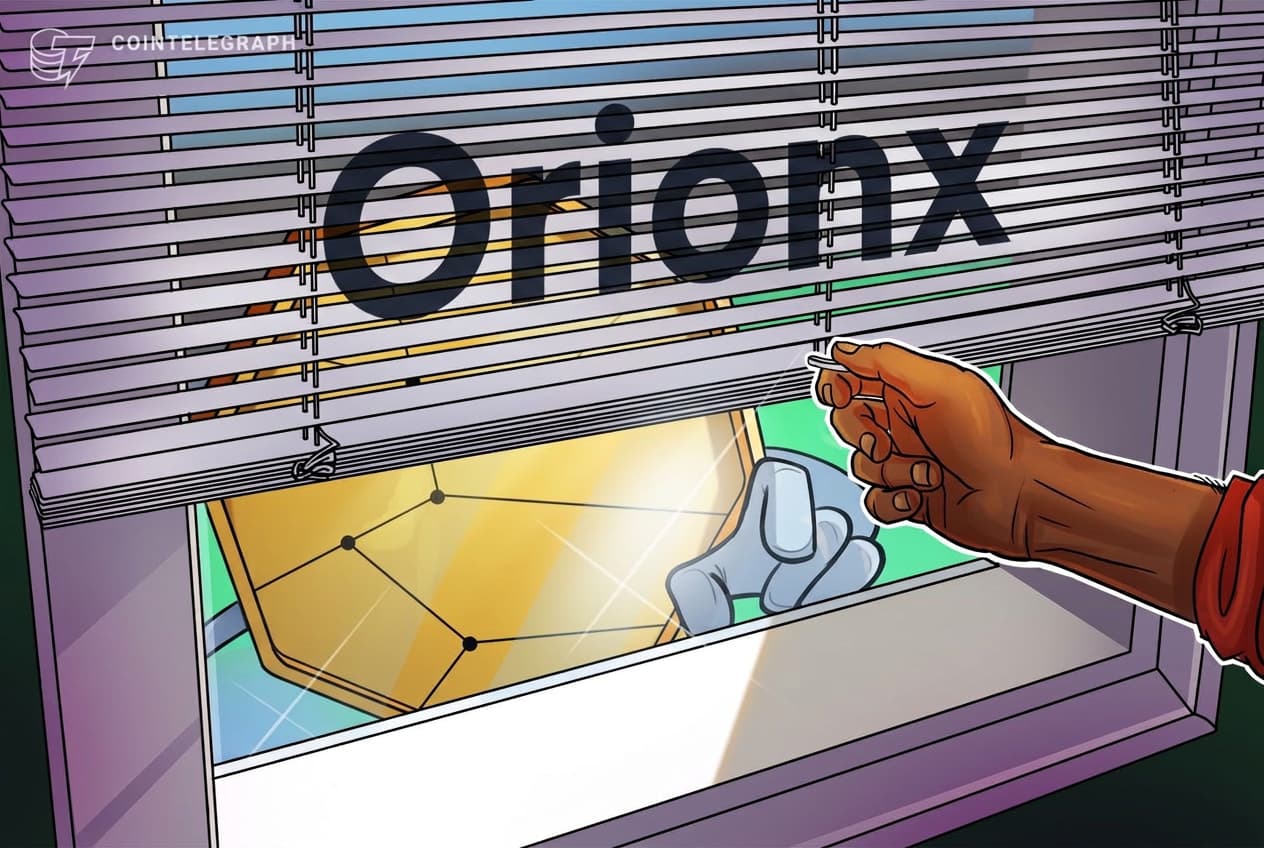
Orionx, a cryptocurrency exchange backed by Tether, is shutting down permanently following an audit that discovered over $7 million in customer assets had shifted to wallets outside the platform's control.
The Chilean exchange announced the closure after internal investigations and external audits revealed the significant custody gap. This discovery represents a critical failure in asset management protocols—precisely the kind of operational breakdown that erodes trust in centralized crypto platforms.
The Audit Findings
We're watching this play out as a textbook example of why crypto investors need to scrutinize exchange infrastructure. The audit flagged that customer funds had migrated to wallets beyond Orionx's custody arrangements, creating an unaccounted gap in their balance sheet. While the exact mechanism of how these assets moved remains under investigation, the $7 million discrepancy is substantial enough to trigger an immediate wind-down rather than attempted remediation.
For traders and portfolio managers, this underscores a recurring pattern: centralized exchanges remain vulnerable to operational failures, whether from mismanagement, technical glitches, or worse. The fact that Tether—itself a controversial stablecoin issuer—was a significant backer makes this particularly noteworthy for market intelligence purposes.
What This Means for Users
Orionx customers now face the difficult reality of navigating an exchange collapse. The permanent closure means users will need to withdraw remaining assets quickly, though the audit findings suggest the exchange may lack full coverage of all customer balances. This is exactly the scenario that makes bitcoin and ethereum advocates cite self-custody as the superior alternative.
The timing matters too. Exchange failures in crypto markets often cascade, especially when they involve asset custody issues. We're monitoring whether other platforms backed by similar investors experience deposit or withdrawal friction in coming weeks.
Broader Market Implications
This isn't an isolated incident—it's part of a pattern. From FTX's catastrophic fraud to various smaller exchange collapses, the message is clear: centralized platforms managing crypto assets remain single points of failure. The $7 million gap at Orionx, while smaller than mega-exchange disasters, carries the same fundamental warning.
For institutional and retail traders building trading strategies, this reinforces the importance of due diligence on counterparty risk. Exchange selection isn't just about fee structures and liquidity anymore; it's about operational security, audit practices, and financial transparency.
The Tether connection also warrants attention. As a major player in crypto liquidity and trading infrastructure, any associated platform experiencing custody issues can create ripple effects across the ecosystem—particularly for traders and funds holding USDT positions.
Alpha Take
Orionx's collapse is a clear reminder that exchange selection remains critical infrastructure risk for any crypto portfolio. We recommend investors conducting regular audits of where their holdings actually sit, verify proof-of-reserves claims independently, and maintain strict position limits on any single centralized platform. This incident will likely accelerate conversations around decentralized exchange adoption and self-custody solutions in 2024.
Originally reported by
CoinTelegraph
Not financial advice. Crypto investing involves significant risk. Past performance does not guarantee future results. Always do your own research.