
Tether CEO Brushes Off Skeptics After KPMG Audit Clears Reserves
Tether's leadership isn't losing sleep over the constant barrage of criticism. Following the completion of its first KPMG audit, CEO Paolo Ardoino made his position crystal clear: the noise from detractors doesn't register.
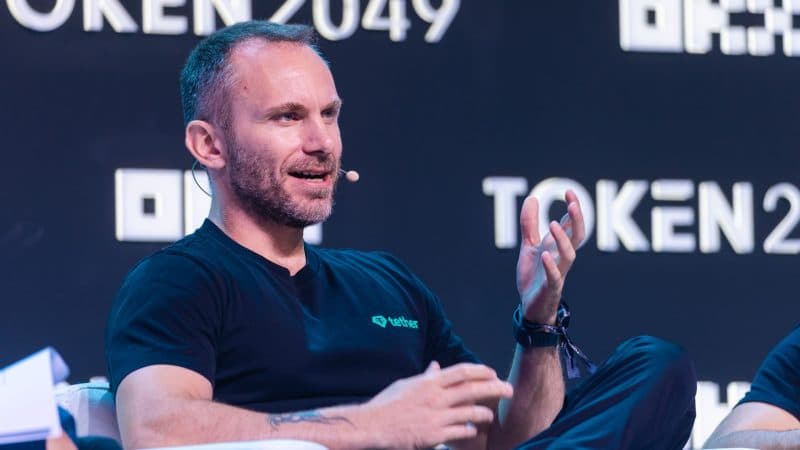
Tether's leadership isn't losing sleep over the constant barrage of criticism. Following the completion of its first KPMG audit, CEO Paolo Ardoino made his position crystal clear: the noise from detractors doesn't register.
"Honestly, I don't care," Ardoino reportedly stated when addressing the ongoing scrutiny surrounding the stablecoin giant's reserve backing.
Why Tether Keeps Its Financials Private
Here's what we're learning from sources with direct knowledge of the situation: Tether operates as a private company, which is why audited statements remain off-limits to the public. This structural reality has been a persistent friction point between Tether and the broader crypto community, which has demanded transparency around the $100 billion+ stablecoin issuer's collateral backing.
The private company status gives Tether significant leverage in determining what gets disclosed and what stays locked away. Unlike publicly traded entities subject to SEC oversight and mandatory reporting requirements, Tether answers to shareholders—not regulators demanding real-time transparency.
The KPMG Audit as Credibility Play
The KPMG audit represents Tether's most substantial credibility play to date. By bringing in one of the Big Four accounting firms, Tether signaled (at least on the surface) a willingness to submit to external verification. However, the opacity around how and when audit results get released continues to fuel suspicion among traders and portfolio managers.
Ardoino's dismissive stance suggests Tether leadership believes the audit itself—regardless of public access—is sufficient vindication. This calculus assumes that institutional confidence in KPMG's vetting outweighs retail investor concerns about information asymmetry.
The Broader Market Implications
This tension matters for crypto traders and portfolio managers. Tether's USDT stablecoin remains the most-traded cryptocurrency globally, with billions flowing through it daily. Any credibility crisis could cascade across the entire ecosystem.
Yet Ardoino's confidence suggests internal stakeholders aren't seeing exit pressure or institutional hesitation. If the KPMG audit surfaced material red flags, we'd likely be hearing about it through market action, not press releases.
The push-and-pull between Tether's opaque operations and crypto's transparency ideals continues to define the space. Private company status provides Tether with a shield, but that shield requires consistent market confidence to hold.
Alpha Take
Tether's dismissive posture reflects confidence in its KPMG validation, but the refusal to publicly share audited statements keeps the credibility question perpetually unsettled. For traders building strategies around USDT exposure, this means monitoring institutional adoption patterns—market behavior will signal whether the audit actually moved the needle on trust. Watch bitcoin and ethereum trading volumes; if they remain robust through USDT rails, Ardoino's swagger is justified.
Originally reported by
The Block
Not financial advice. Crypto investing involves significant risk. Past performance does not guarantee future results. Always do your own research.