
Tether Fuels Latin American Fintech Expansion With USDT-Powered Payment Infrastructure
Tether's backing of Peso signals serious momentum in bringing stablecoin payments to underbanked regions across Latin America. This move positions USDT as a critical rails for merchant services, particularly in the food delivery and banking sectors where traditional payment infrastructure remains f
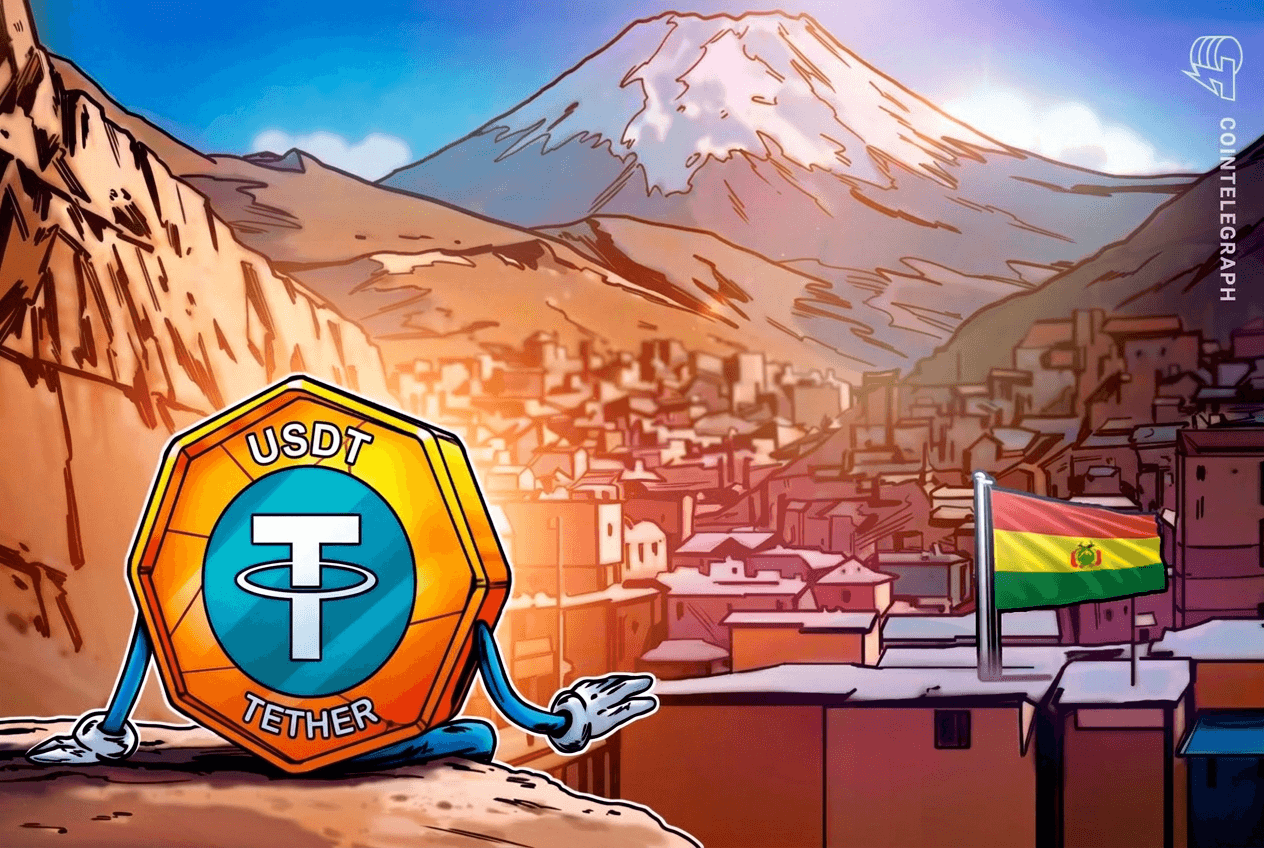
Tether's backing of Peso signals serious momentum in bringing stablecoin payments to underbanked regions across Latin America. This move positions USDT as a critical rails for merchant services, particularly in the food delivery and banking sectors where traditional payment infrastructure remains fragmented.
The Deal: Stablecoin Adoption Goes Mainstream in LatAm
Peso is leveraging Tether's investment to scale operations across four Latin American markets, creating a direct bridge between USDT adoption and real-world commerce. The strategic focus on food delivery and banking integration isn't random—these verticals represent massive transaction volumes in emerging markets where crypto adoption is accelerating faster than in developed economies.
What we're seeing here is the practical application of stablecoins moving beyond speculation and into everyday payments. Peso's infrastructure connects USDT directly to merchant services and local banking networks, eliminating the friction that traditionally plagues cross-border transactions in the region.
Why This Matters for Crypto Markets
This development hits several key points for anyone tracking cryptocurrency adoption metrics:
Market Expansion: Tether doesn't throw capital at projects without conviction. Their investment signals confidence that USDT demand will grow substantially across these four markets. When stablecoin infrastructure reaches merchants and everyday payment flows, adoption curves typically accelerate.
Banking Integration: The explicit connection to local banking networks is crucial. Rather than positioning crypto as an alternative to traditional finance, Peso is threading the needle—using USDT as the settlement layer while maintaining banking relationships. This is how stablecoins actually go mainstream.
Food Delivery as Entry Point: Why target delivery services? High transaction frequency, young demographic, and constant merchant pressure for better payment options. Once users and merchants get comfortable with USDT through food orders, expanding into other payment categories becomes straightforward.
The Bigger Picture
Tether's playbook has evolved beyond just issuing USDT. They're now actively funding infrastructure to increase utilization of their token across emerging markets. This is smart capital allocation—the more merchants accepting USDT, the higher the velocity and utility of the token itself.
Latin America remains one of the most promising regions for stablecoin adoption. Countries dealing with inflation, currency instability, and limited banking access see immediate value in USD-pegged tokens. Peso's expansion across four markets capitalizes on this momentum precisely when regulatory clarity around stablecoins is improving globally.
Alpha Take
Tether's investment in Peso represents the next phase of stablecoin maturation—moving from retail speculation into merchant and banking infrastructure. Watch for similar plays across other emerging markets; this is where crypto trading eventually meets real-world payment volume. If Peso successfully integrates USDT into food delivery and banking networks across four LatAm countries, we'll see a notable case study for how stablecoins achieve sustainable adoption beyond crypto-native users.
Originally reported by
CoinTelegraph
Not financial advice. Crypto investing involves significant risk. Past performance does not guarantee future results. Always do your own research.