
The Musk Consolidation Play: Why a SpaceX-Tesla Merger Could Redefine AI Infrastructure
Elon Musk's companies are reportedly exploring a merger that would fundamentally reshape the landscape of AI, crypto, and infrastructure innovation. Both SpaceX and Tesla boards are actively studying a potential tie-up that would consolidate an unprecedented collection of assets under unified contr
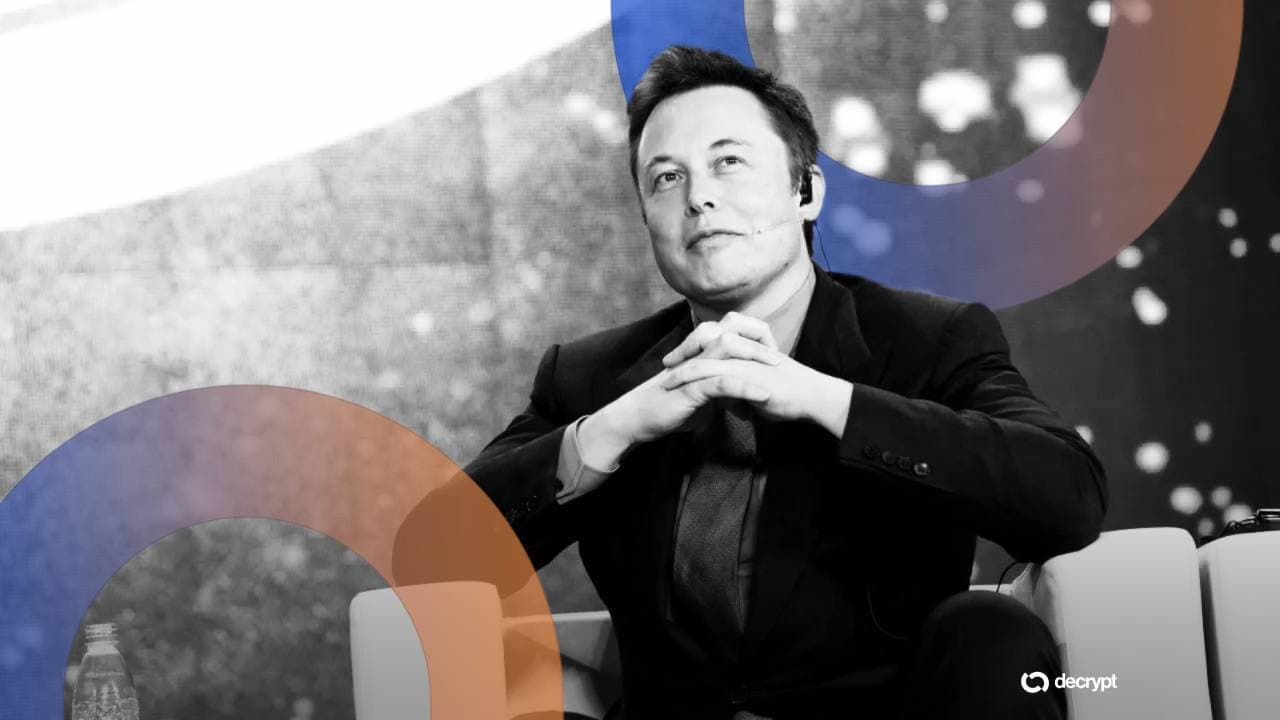
Elon Musk's companies are reportedly exploring a merger that would fundamentally reshape the landscape of AI, crypto, and infrastructure innovation. Both SpaceX and Tesla boards are actively studying a potential tie-up that would consolidate an unprecedented collection of assets under unified control.
Here's what's on the table: Grok (the AI model integrated with X), X's social platform, Starlink's satellite internet, orbital data centers, a chip manufacturing megafactory, and Tesla's Optimus humanoid robots. This isn't just corporate consolidation—it's a blueprint for vertical integration at scale.
The Infrastructure Play
The strategic logic is worth examining. SpaceX brings satellite-based internet connectivity and orbital infrastructure that's already operational. Tesla contributes manufacturing expertise, AI chips, and the Optimus program. X provides the data flow and user base. Combined, they'd create an unmatched infrastructure backbone for AI deployment.
We're talking about a company that could:
- •Deliver low-latency internet globally via Starlink
- •Process massive data loads through orbital computing nodes
- •Manufacture custom AI chips in-house
- •Deploy physical robots for real-world AI applications
- •Own the platform (X) where data originates and feeds training models
The chip megafactory angle is particularly significant for the crypto and broader tech communities. Custom silicon designed for AI workloads could dramatically alter competitive dynamics in computing power—a critical resource for everything from blockchain validation to advanced machine learning.
The Control Consolidation
What makes this proposal controversial isn't just the scale—it's the concentration. Putting Grok, X, Starlink, orbital infrastructure, chip manufacturing, and robotics under single-entity control creates a tech conglomerate with minimal precedent. Musk would effectively control infrastructure, data, computation, and physical robotics simultaneously.
For context on scale: SpaceX's valuation sits near $210 billion, while Tesla trades with a market cap exceeding $800 billion. A combined entity would represent one of the largest tech mergers in history.
Market Implications
From a trading perspective, this matters because:
For Bitcoin and crypto: SpaceX-powered Starlink could theoretically become critical infrastructure for Bitcoin node operations in remote areas, though this remains speculative. More immediately, a consolidated mega-cap tech firm would influence broader market sentiment.
For chip manufacturers: An in-house megafactory would disrupt traditional chip supply chains and could accelerate AI chip development timelines.
For market structure: The regulatory scrutiny alone would be immense. Combined control over satellite internet, social media platform, and advanced chip manufacturing raises antitrust questions that haven't been thoroughly tested.
Alpha Take
We're watching a potential blueprint for how mega-entrepreneurs might consolidate AI infrastructure in the 2020s. A SpaceX-Tesla merger would create asymmetric competitive advantages—particularly around data sourcing, processing, and deployment. For portfolio managers tracking tech exposure, this signals that infrastructure consolidation and vertical integration are becoming strategic imperatives. Monitor regulatory filings closely; if this moves forward, it'll reshape how we think about concentration in critical tech infrastructure.
Originally reported by
Decrypt
Not financial advice. Crypto investing involves significant risk. Past performance does not guarantee future results. Always do your own research.