
The Next Frontier: Gaming Meets Memecoin Chaos—And the Casualties Will Be Epic
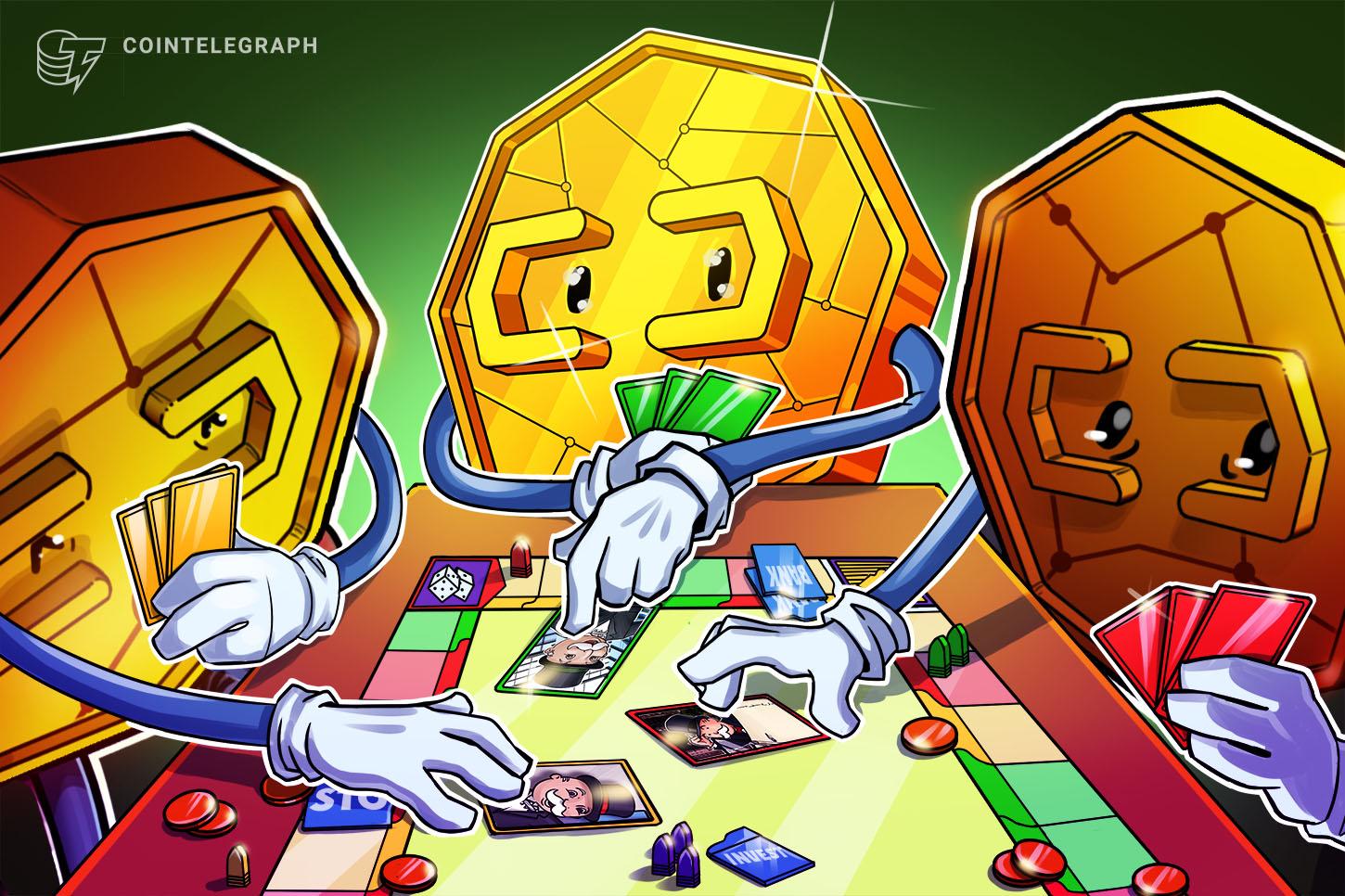
The crypto gaming space is about to get a whole lot messier. After memecoins captured retail attention and capital, the industry is now pivoting toward what insiders are calling "meme games"—a hybrid that merges gaming mechanics with memecoin volatility and all the downside that comes with it.
The crypto gaming space is about to get a whole lot messier. After memecoins captured retail attention and capital, the industry is now pivoting toward what insiders are calling "meme games"—a hybrid that merges gaming mechanics with memecoin volatility and all the downside that comes with it.
The Raw Reality
Illuvium co-founder Kieran Warwick isn't mincing words about what's coming: "Plenty will be ponzis. Plenty will get exploited. Plenty will insta die. There will be ridiculous gains, and people will get absolutely f*ing rinsed."
That's not pessimism—it's a trader's reality check. The meme games trend is fundamentally different from traditional blockchain gaming or standard memecoin launches. These projects layer gamification on top of token economics in ways that obscure the actual utility underneath. Players can't always tell if they're earning rewards from legitimate gameplay or participating in a liquidity extraction scheme.
Why This Matters Now
The memecoin boom proved one thing: retail has massive appetite for high-risk, high-reward crypto assets. Bitcoin and Ethereum have become "boring" to many retail traders hunting 100x gains. Memecoins delivered that volatility. But now that the memecoin market is saturated and competition is brutal, project creators are looking for the next angle to capture attention.
Enter gaming. By wrapping memecoin mechanics in game interfaces, developers can create psychological hooks that go beyond typical token speculation. Players feel like they're "earning" rather than "gambling," even when the economics are identical. That perception gap is what makes meme games dangerous—and potentially lucrative for early participants.
The Bagholding Blueprint
Here's what we're watching for: Meme games will follow a predictable lifecycle. Early adopters and influencers will see genuine gains as hype builds. Marketing will emphasize "play-to-earn" mechanics and community ownership. Token rewards will be generous in early phases, creating FOMO. Then liquidity events, team token unlocks, and bot-driven market manipulation will flatten the curve. Late entrants—the "bagholders"—will be left holding worthless tokens while insiders and early whales cash out.
The exploitation vectors are obvious: rugpulls disguised as balance patches, admin-controlled reward mechanisms, and smart contract vulnerabilities that drain player wallets. Crypto security audits are already expensive; most meme games won't bother.
What Warwick's Warning Tells Us
When a legitimate blockchain gaming executive like Warwick admits the space is going to be filled with scams and death traps, that's valuable market intelligence. It signals that even industry veterans see the meme game trend as inevitable but unsustainable in its current form. The "ridiculous gains" he mentions? Those will be real for some—but only for those who exit before the inevitable crash.
Alpha Take
Meme games are coming, and they'll attract billions in retail capital before imploding. The winners will be early-stage participants who understand token economics and exit before the community does. Everyone else faces serious bagholding risk. If you're considering exposure to meme gaming projects, demand transparency on tokenomics, team allocations, and contract audits—and assume most projects won't provide them. This trend will generate headlines and fortunes, but mostly it'll generate losses.
Originally reported by
CoinTelegraph
Not financial advice. Crypto investing involves significant risk. Past performance does not guarantee future results. Always do your own research.