
Trezor Severs Reseller Network Following Ledger's Discovery of Hardware Implants in Crypto Wallets
Trezor is making a dramatic move to tighten control over its supply chain. The hardware wallet maker is terminating all reseller authorizations effective January 1, 2027—a decisive response to the security scare that's rippling through the crypto hardware wallet space.
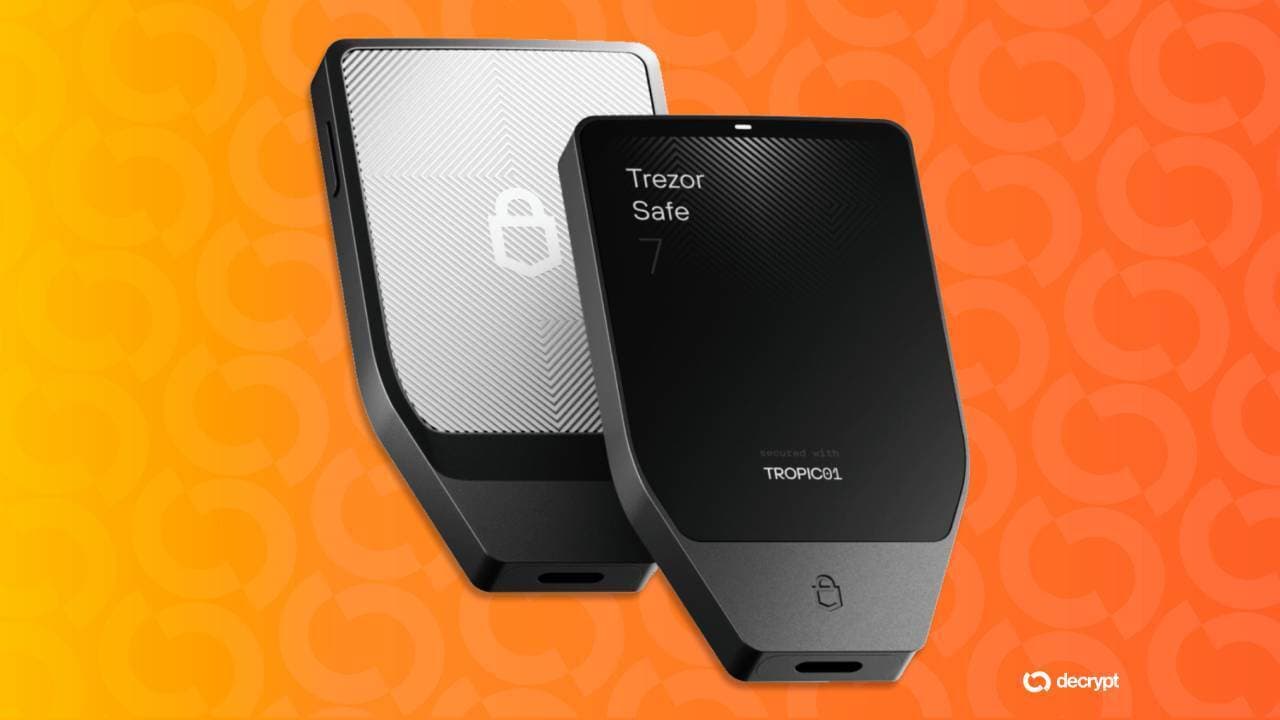
Trezor is making a dramatic move to tighten control over its supply chain. The hardware wallet maker is terminating all reseller authorizations effective January 1, 2027—a decisive response to the security scare that's rippling through the crypto hardware wallet space.
The catalyst? Ledger confirmed that wallets distributed through a Southeast Asian retailer contained a sophisticated hidden implant designed to intercept and transmit users' recovery phrases—essentially the master keys to crypto portfolios. This discovery has exposed a critical vulnerability in how hardware wallets reach consumers and raises serious questions about third-party distribution channels across the industry.
The Supply Chain Problem Gets Real
For years, hardware wallet manufacturers have relied on authorized resellers to expand their market reach, particularly in regions where direct sales are logistically complex. But this model has a fatal flaw: it creates multiple touchpoints where a bad actor could tamper with devices before they reach end users.
Ledger's investigation revealed that the implant was surgically inserted into hardware—a level of sophistication that goes beyond simple software manipulation. The infected devices would harvest recovery phrases, giving attackers complete access to stored crypto assets. For users who believed they were buying legitimate hardware from trusted resellers, this represents a catastrophic breach of the security model that hardware wallets supposedly provide.
Why Trezor Is Going Direct-Only
By consolidating to a direct-to-consumer model, Trezor is essentially betting that controlling the entire distribution pipeline is worth sacrificing the convenience and reach that resellers provide. It's a defensive move, but it's also the right crypto analysis: the reputational damage from a similar incident could be existential for the company.
This shift aligns with broader industry trends toward consolidation and verticalization. Ledger is likely to face similar pressures—after all, if their reseller network was compromised once, investors and users will naturally question whether it could happen again.
Market Intelligence Takeaway
The hardware wallet space has always marketed itself as the gold standard for crypto security—the ultimate risk mitigation tool for serious traders and long-term holders. That value proposition just took a hit. If wallets can be compromised before they even reach users, the entire threat model changes.
The move also signals that hardware wallet manufacturers are recognizing a hard truth: scale through resellers comes with risks that outweigh the benefits. Direct-to-consumer eliminates the intermediary problem, though it does limit accessibility for some users, particularly in markets where direct shipping is complicated.
Expect other wallet makers to evaluate their own supply chains. This incident won't be forgotten, and neither will the users who lost crypto to implanted devices.
Alpha Take
Trezor's reseller shutdown is a calculated risk to preserve brand trust in an industry where security is literally the product. The crypto market should watch whether this move becomes an industry standard or a competitive vulnerability if competitors maintain broader distribution networks. For traders, the immediate lesson: verify wallet authenticity through official channels only, and consider this supply chain incident a reminder that hardware security is only as strong as the supply chain delivering it.
Originally reported by
Decrypt
Not financial advice. Crypto investing involves significant risk. Past performance does not guarantee future results. Always do your own research.