
Tron Founder Turns on Trump's Crypto Venture, Slams World Liberty as "Personal ATM" for Insiders
Justin Sun, the prominent Tron blockchain founder and a significant backer of World Liberty Financial, unleashed a sharp critique of the Trump-aligned crypto platform over the weekend—marking a notable rift between one of crypto's most visible figures and a high-profile venture with deep political c
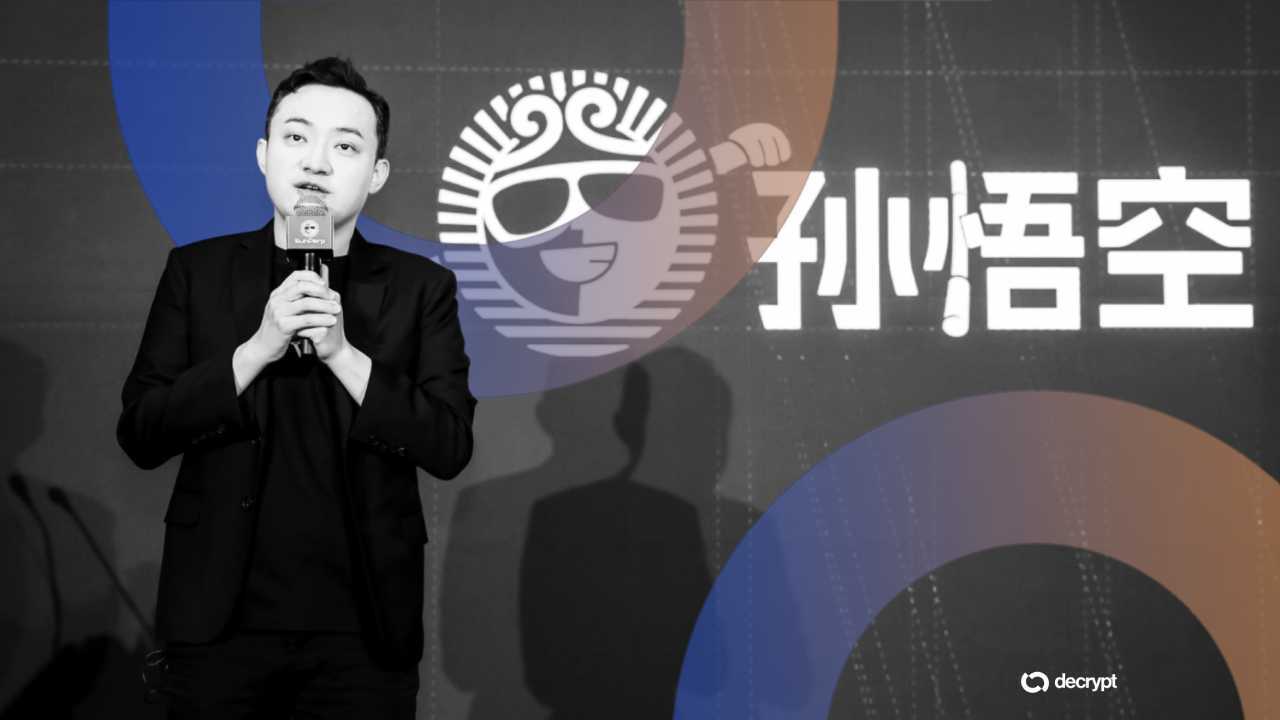
Justin Sun, the prominent Tron blockchain founder and a significant backer of World Liberty Financial, unleashed a sharp critique of the Trump-aligned crypto platform over the weekend—marking a notable rift between one of crypto's most visible figures and a high-profile venture with deep political connections.
Sun's escalating frustration centers on what he characterizes as mismanagement and questionable financial practices at the company. According to his statements, the platform's leadership has essentially converted World Liberty into a personal funding mechanism for insiders rather than functioning as a legitimate decentralized finance (DeFi) platform serving retail crypto investors.
The Core Complaint
The Tron founder's beef isn't about the concept—it's about execution and transparency. Sun contends that investors who committed capital to World Liberty are getting squeezed while decision-makers enrich themselves. This echoes a broader concern in the crypto space: when high-profile names and political backing create a halo effect, due diligence sometimes takes a backseat.
World Liberty Financial launched with significant fanfare, leveraging Trump family involvement and claims about revolutionizing DeFi accessibility. The project attracted institutional-grade attention and retail capital alike, partly due to its prominent backers. But Sun's public complaints suggest the narrative isn't matching the reality of how capital flows through the platform.
Why This Matters for Crypto Market Intelligence
Sun's willingness to go public with criticism carries weight. As founder of Tron—a blockchain with billions in total value locked (TVL)—he's neither a nobody nor a squeamish investor. When someone with his stake and clout starts calling out management practices, other stakeholders pay attention. This kind of insider conflict signals potential governance issues that could affect token valuations and investor confidence.
The incident also underscores a recurring crypto market dynamic: celebrity and political endorsements don't guarantee sound tokenomics or legitimate business models. We've seen this play out repeatedly—from failed exchange collapses to rug pulls marketed by influencers. World Liberty, regardless of its Trump connection, appears to be facing the same scrutiny any crypto venture should face.
The Broader Context
Sun's public rebuke also highlights growing tension between crypto's idealistic decentralization principles and the reality of venture-backed, centralized platforms that claim to serve the DeFi ecosystem. When founders with decision-making authority can allegedly use investor capital as personal resources, the whole "decentralized finance" pitch falls apart.
For traders and portfolio managers monitoring this situation, the takeaway is straightforward: brand recognition and political connections are not substitutes for transparent governance, audited financials, and aligned incentives between founders and stakeholders.
Alpha Take
Sun's public criticism of World Liberty Financial suggests significant governance dysfunction at a high-profile crypto venture, regardless of its political backing. Investors should demand third-party audits and clear capital allocation frameworks before committing to projects that trade on celebrity credibility rather than transparent operations. In crypto market intelligence, insider conflicts like this are early warning signals that deserve serious attention from your portfolio risk management process.
Originally reported by
Decrypt
Not financial advice. Crypto investing involves significant risk. Past performance does not guarantee future results. Always do your own research.