
Trump Administration Eyes Binance Breach as Crypto Regulation Debate Intensifies
The $6. 3 billion Binance hack has triggered a regulatory reckoning at the highest levels of government.
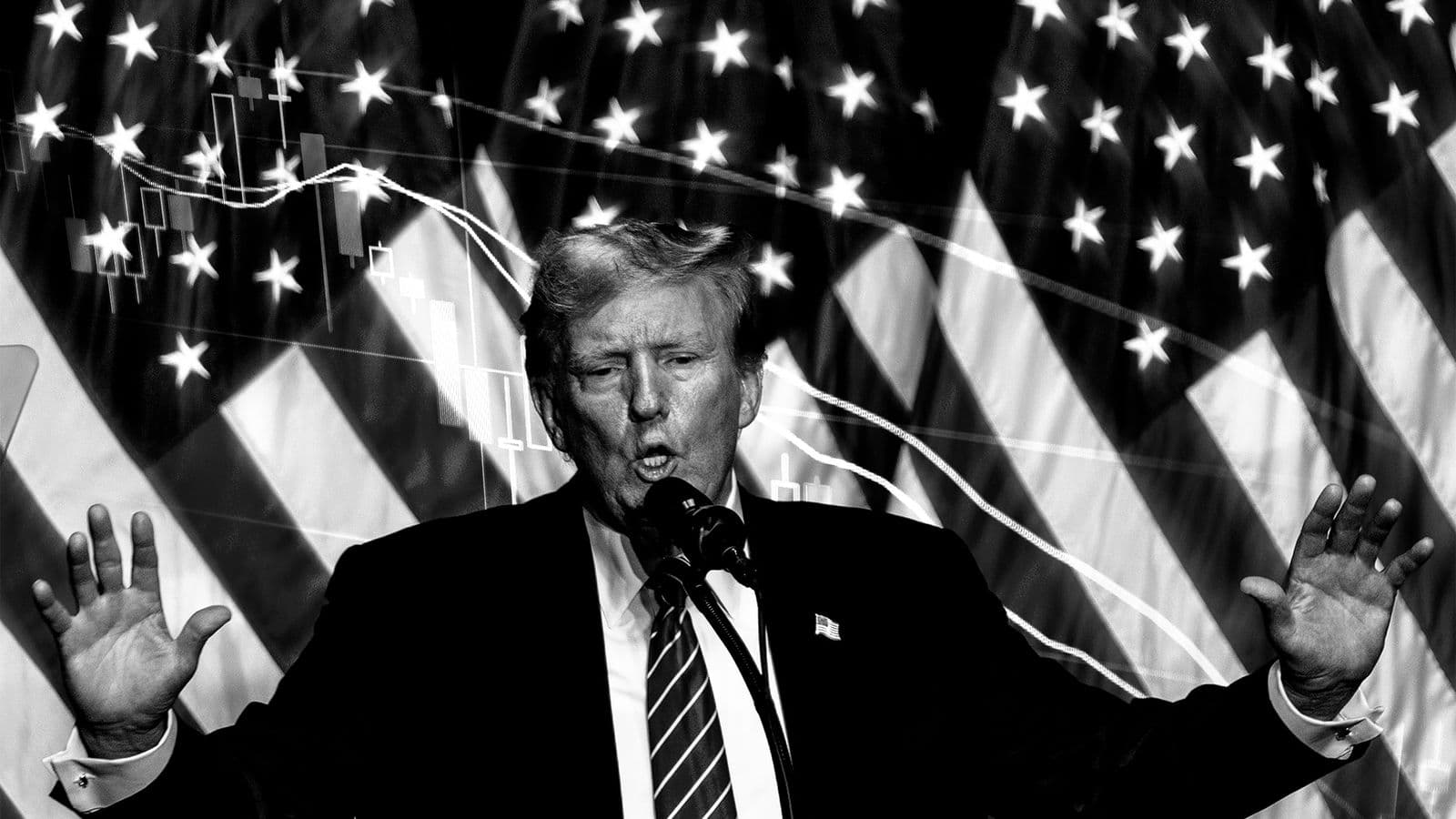
The $6.3 billion Binance hack has triggered a regulatory reckoning at the highest levels of government. President Trump's administration is now actively investigating the incident affecting the world's largest crypto exchange, signaling a potential shift toward stricter oversight of the digital asset sector.
The Hack and Its Fallout
The massive breach represents one of the most significant security incidents in crypto history. The scale—$6.3 billion—underscores the vulnerability of centralized exchanges, even those with established security protocols and substantial resources. For context, this surpasses previous major exchange hacks in both absolute dollar terms and its potential systemic impact on the broader crypto market.
The incident has exposed a critical gap: even industry-leading platforms with deep pockets aren't immune to sophisticated attacks. Binance's reputation as the dominant trading venue—with the highest daily trading volumes globally—makes this breach particularly destabilizing for investor confidence.
Regulatory Pressure Mounts
Washington's interest goes beyond standard investigation protocols. Lawmakers and regulators are using this moment to push for comprehensive crypto legislation that's been stalled for years. The timing creates political momentum for rules that could reshape how exchanges operate, custody digital assets, and interact with traditional finance infrastructure.
Key concerns driving the regulatory push include:
- •Custodial standards: Questions about how exchanges safeguard user funds
- •Insurance requirements: Whether platforms need mandatory coverage for security breaches
- •Reporting obligations: Real-time incident disclosure timelines
- •KYC/AML compliance: Enhanced know-your-customer and anti-money laundering procedures
What's at Stake for the Market
From a portfolio perspective, increased regulation isn't necessarily bearish long-term. Institutional investors have consistently cited regulatory clarity as a prerequisite for major capital deployment into crypto. However, short-term volatility around compliance timelines and operational restrictions remains a real risk.
The Binance hack serves as a stark reminder that trading on unregulated or lightly-regulated exchanges carries genuine counterparty risk. This should inform position-sizing decisions and custodial choices for serious traders managing meaningful capital.
The Bigger Picture
This regulatory moment extends beyond Binance. The administration's investigation signals that crypto is no longer a niche asset class that policymakers can ignore. Whether that translates into thoughtful, innovation-friendly legislation or heavy-handed restrictions remains to be seen—but gridlock appears less likely now.
The industry should expect:
- •Congressional hearings targeting exchange security practices
- •SEC and CFTC coordination on custody and trading standards
- •Potential temporary trading restrictions on affected assets during investigation phases
- •Increased compliance costs for all major platforms
Alpha Take
The Binance investigation accelerates the crypto regulatory cycle we've anticipated. While volatility typically precedes clarity, serious traders should position accordingly—secure custody practices and compliance-first exchanges become competitive advantages. This isn't the regulation death knell some fear; it's institutional maturation pricing in. Watch for legislative frameworks around Q2-Q3 that could reshape exchange economics and, ultimately, trading opportunities across the sector.
Originally reported by
The Block
Not financial advice. Crypto investing involves significant risk. Past performance does not guarantee future results. Always do your own research.