
Trump Administration Taps Crypto-Friendly Nominees for Key Market Regulators
The White House is positioning itself to reshape crypto regulation by nominating candidates with demonstrated openness to digital assets for pivotal roles at the Securities and Exchange Commission (SEC) and Commodity Futures Trading Commission (CFTC). This strategic move signals a potential shift
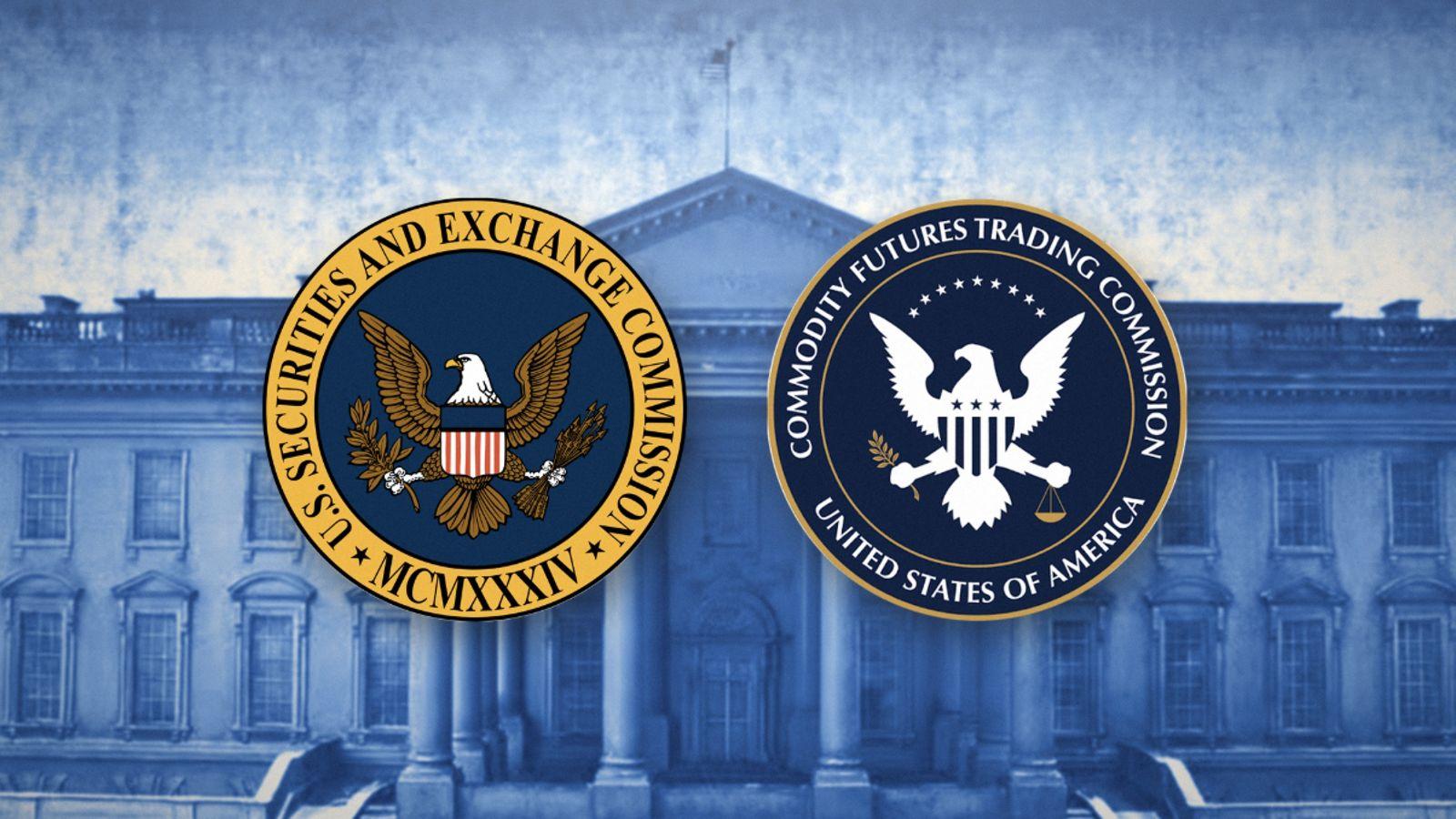
The White House is positioning itself to reshape crypto regulation by nominating candidates with demonstrated openness to digital assets for pivotal roles at the Securities and Exchange Commission (SEC) and Commodity Futures Trading Commission (CFTC).
This strategic move signals a potential shift in regulatory approach from the aggressive stance seen under the previous administration. The nominations represent a calculated effort to install leadership that understands—and may be more sympathetic to—the crypto industry's concerns about innovation stifling.
Market-Moving Personnel Decisions
Who sits in these regulatory chairs matters enormously for crypto trading and portfolio strategy. The SEC and CFTC essentially determine how bitcoin, ethereum, and thousands of alternative tokens are classified, traded, and taxed. Leadership changes at these agencies can dramatically reshape market dynamics within months.
Industry Reads Bipartisan Signal
Crypto Council for Innovation's Ji Kim assessed the nominations through a constructive lens: "This bipartisan lineup could develop durable rules that safeguard markets and support innovation."
That framing captures what the industry hopes to achieve—a middle path between the permissive Wild West environment some early crypto advocates wanted and the restrictive regulatory framework that emerged over the past several years. The focus on "durable rules" suggests appointees who might build sustainable policy rather than flip-flopping based on market sentiment or political winds.
Why This Matters for Your Portfolio
Here's the practical angle: crypto market intelligence suggests that regulatory clarity—even if more stringent than some hoped—typically outperforms regulatory uncertainty. Traders watching bitcoin and ethereum prices know that headlines about new SEC enforcement actions or CFTC guidance can swing markets 5-10% in hours.
New leadership that takes a reasoned approach to crypto analysis could reduce this regulatory volatility. That means more predictable trading conditions and less whipsaw for portfolio managers holding digital assets.
The Innovation vs. Safety Balance
The nominees' bipartisan nature matters. When Democrats and Republicans agree on regulatory direction, enforcement tends to be more consistent. The crypto space has suffered from mixed signals—one administration's enforcement philosophy gets abandoned by the next, creating confusion for exchanges, traders, and institutional investors trying to build compliant operations.
If these nominees genuinely support balancing safeguards with innovation, we might finally get the regulatory framework that institutional capital has been waiting for. Pension funds and family offices have largely sat out crypto investing due to regulatory ambiguity. Clear rules—even if stricter than advocates prefer—could unlock trillions in institutional portfolio allocation.
Alpha Take
These nominations matter because the SEC and CFTC control the regulatory boundaries for crypto markets. A bipartisan approach to appointing leadership signals potential movement toward durable rules rather than reactive enforcement. Traders and portfolio managers should monitor these confirmation hearings closely—the regulatory environment these appointees establish could be the single biggest driver of crypto market structure over the next 2-4 years. This is institutional-level market intelligence worth tracking closely.
Originally reported by
The Block
Not financial advice. Crypto investing involves significant risk. Past performance does not guarantee future results. Always do your own research.