
Trump Denies Knowledge of UAE Connection to His Crypto Venture
Donald Trump is distancing himself from a controversial investment linked to the United Arab Emirates in his crypto firm, claiming he has minimal involvement in day-to-day operations. When pressed about the UAE-backed funding, Trump stated he "knows nothing" about the investment, deflecting questi
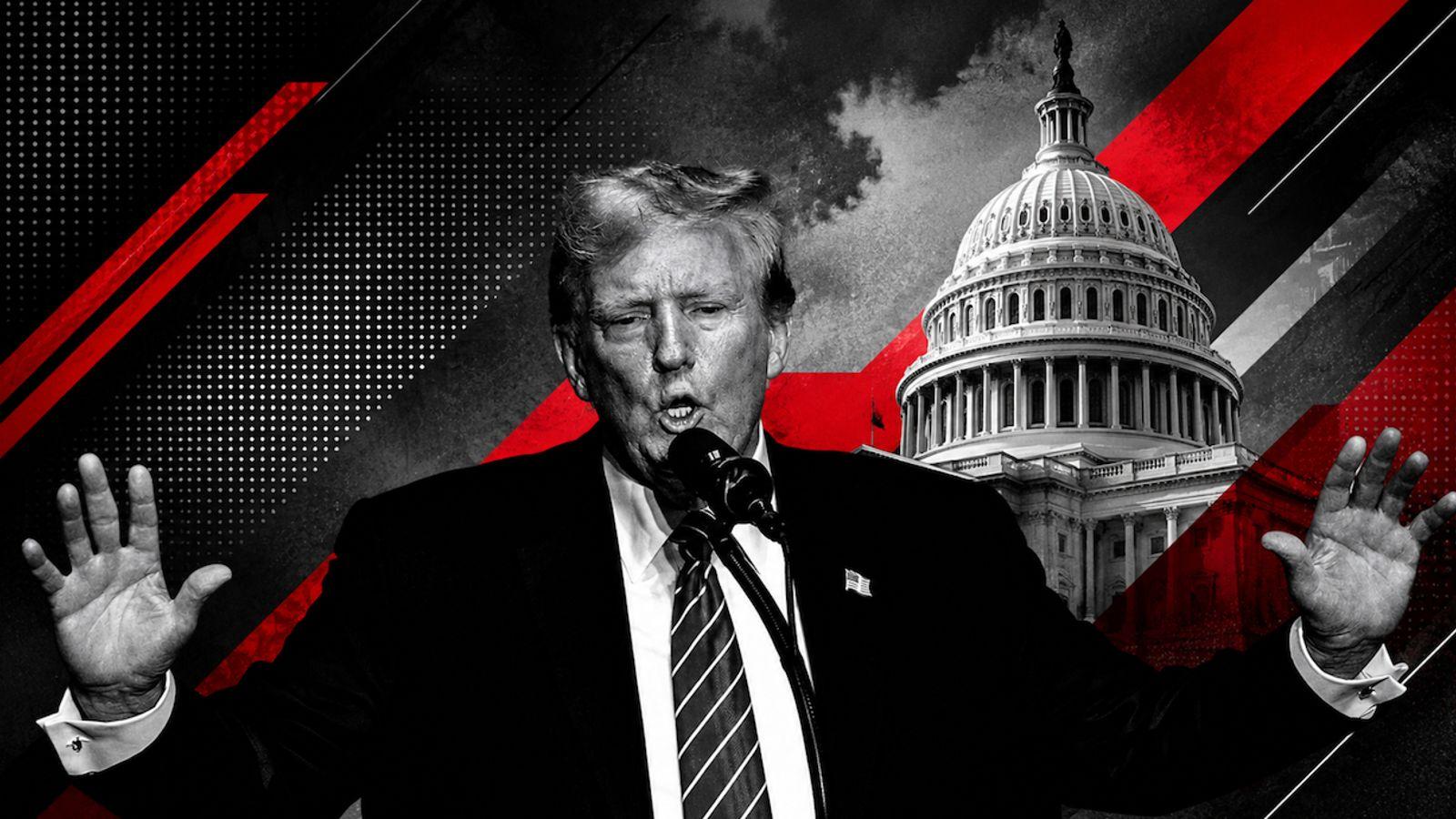
Donald Trump is distancing himself from a controversial investment linked to the United Arab Emirates in his crypto firm, claiming he has minimal involvement in day-to-day operations.
When pressed about the UAE-backed funding, Trump stated he "knows nothing" about the investment, deflecting questions by emphasizing that his sons oversee the business. This response sidesteps growing scrutiny around foreign capital flowing into the crypto project and raises questions about governance transparency in politically connected blockchain ventures.
The statement comes as crypto analysis increasingly focuses on how political figures leverage their networks in digital asset spaces. Trump's hands-off approach differs markedly from how many crypto entrepreneurs operate—most founders maintain direct control over capital sources and strategic partnerships, particularly when foreign governments are involved.
The Opaque Capital Question
The UAE investment represents a broader trend we're watching at Alpha Factory: foreign sovereign wealth and state-linked entities quietly entering the U.S. crypto market. When high-profile political figures claim ignorance about major funding sources, it complicates due diligence for potential investors and raises red flags about operational control.
Trump's assertion that his sons "run the business" technically may shield him legally, but it doesn't resolve the underlying crypto market intelligence issue: Who's really directing strategy? Foreign capital in politically sensitive crypto ventures can attract regulatory attention, and vague governance structures only amplify that risk.
What This Means for Trading and Portfolio Strategy
For traders and portfolio managers, this situation illustrates why understanding the ownership and funding structures behind crypto projects matters. When leadership claims minimal knowledge of major investments—especially foreign ones—it signals potential governance weaknesses that could impact the project's regulatory standing or operational direction.
The crypto intelligence community needs to dig deeper here. Institutional investors conducting market analysis should be asking:
- •What are the actual terms of the UAE investment?
- •What influence do foreign backers expect in strategic decisions?
- •How does this structure affect the firm's compliance posture?
These aren't abstract questions. They directly impact whether this crypto venture remains viable long-term or faces regulatory complications that could crush valuations.
Alpha Take
Trump's claim of ignorance about UAE-linked investment in his crypto firm raises governance red flags we can't ignore. While delegation to his sons might provide legal cover, it creates murky capital flow dynamics that could attract regulatory scrutiny—historically bad for crypto projects. Investors should treat vague ownership structures and foreign funding partnerships as material risks when evaluating any blockchain venture, regardless of political connections. The crypto market rewards transparency; opacity tends to punish positions eventually.
Originally reported by
The Block
Not financial advice. Crypto investing involves significant risk. Past performance does not guarantee future results. Always do your own research.