
U.S. Treasury Blacklists MEXC Global: $16 Billion in Sanctioned State Transactions Exposed
The U. S.
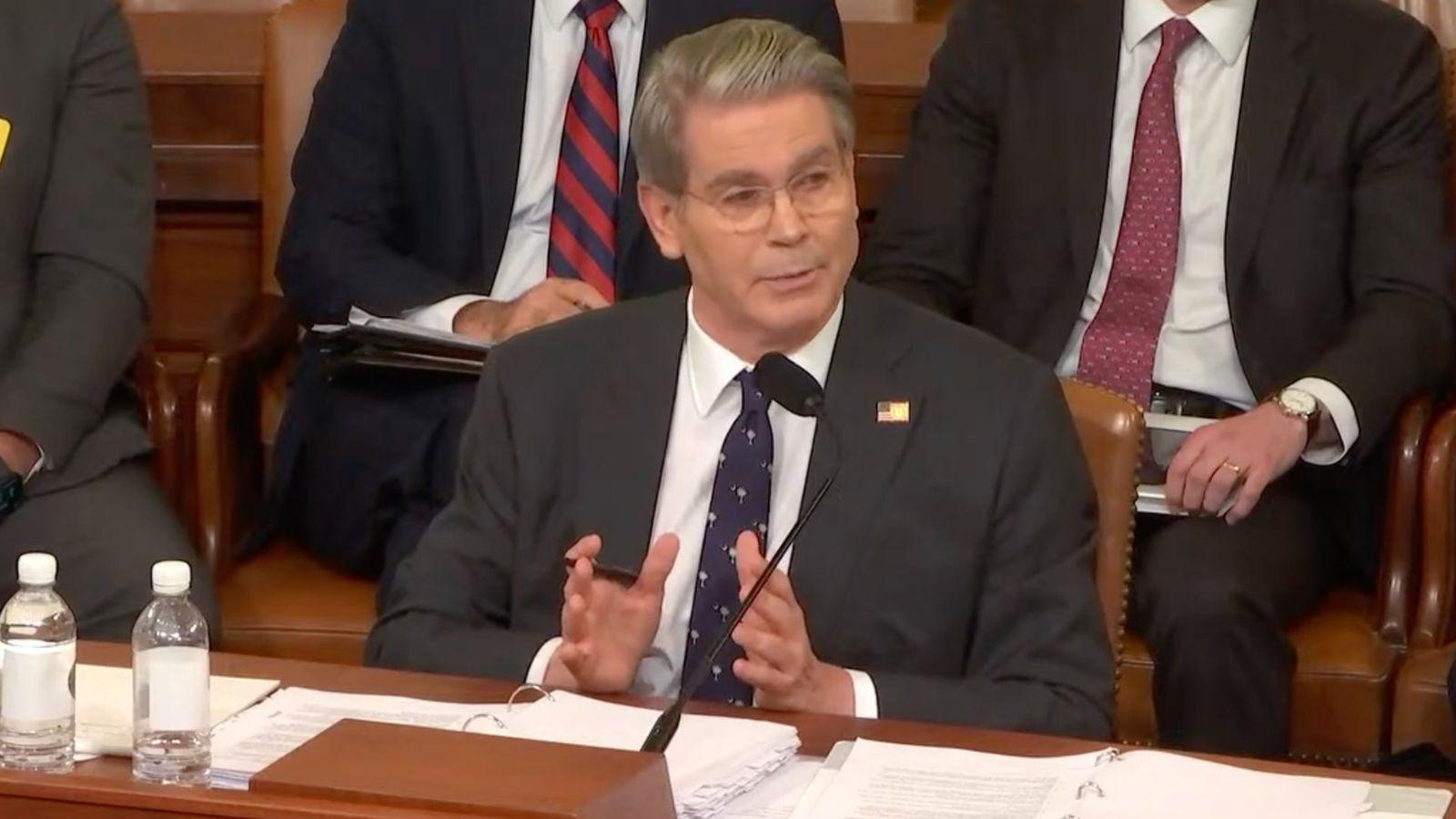
The U.S. Treasury Department has moved to isolate MEXC Global from American financial infrastructure, citing the crypto exchange's alleged facilitation of approximately $16 billion in transactions traced to Iran, North Korea, and Russia. This enforcement action represents a significant escalation in regulatory pressure against crypto platforms accused of enabling sanctions evasion.
According to Treasury officials, MEXC Global processed substantial volumes of crypto transactions connected to these sanctioned jurisdictions without implementing adequate compliance controls. The $16 billion figure underscores the scale of alleged violations that prompted the department to sever the exchange's access to U.S. banking relationships—effectively cutting off a major trading platform from dollar-denominated settlement and American retail investors.
The Enforcement Action's Scope
Treasury's decision to cut off MEXC Global marks a direct regulatory intervention in the crypto market. The agency specifically cited the exchange's failure to maintain sufficient know-your-customer (KYC) protocols and transaction monitoring systems designed to detect and prevent illicit activity. For traders and portfolio managers, this signals that regulators are willing to take aggressive unilateral action against platforms they determine pose national security risks.
The $16 billion in flagged transactions—spanning multiple sanctioned entities across three hostile regimes—suggests systematic deficiencies rather than isolated compliance lapses. This distinction matters for crypto analysis purposes: it indicates Treasury viewed MEXC Global's risk infrastructure as fundamentally inadequate rather than occasionally negligent.
Market Intelligence: What This Means
The Treasury action against MEXC Global carries broader implications for crypto market intelligence. Exchanges operating with weak sanctions compliance frameworks now face existential regulatory risk. For institutional investors evaluating exchange counterparties, this enforcement action serves as a warning signal about operational due diligence gaps.
MEXC Global's isolation from U.S. banking relationships will likely impact trading volumes and market liquidity in affected trading pairs. The exchange may continue operating for non-U.S. users, but the loss of dollar access removes a critical infrastructure advantage in global crypto trading.
Regulatory Trajectory
This Treasury action follows an intensifying pattern of sanctions enforcement targeting crypto platforms. Regulators have grown increasingly sophisticated in tracing digital asset flows to sanctioned jurisdictions. For market participants, this trend suggests:
- •Stricter compliance expectations across the industry
- •Enhanced scrutiny of exchanges with weak KYC infrastructure
- •Potential restrictions on trading pairs tied to high-risk jurisdictions
- •Increased regulatory fragmentation as exchanges face jurisdiction-specific restrictions
The $16 billion figure also illustrates just how much illicit volume can potentially flow through inadequately monitored platforms—a sobering reality for crypto market intelligence professionals tracking systemic risk.
Alpha Take
MEXC Global's Treasury blacklisting is a watershed moment: it proves U.S. regulators will unilaterally sever exchange access for systematic sanctions violations, not just penalize them. For portfolio managers using MEXC Global or considering it for trading, this action removes a significant platform option and creates immediate counterparty risk. Going forward, expect crypto exchanges to dramatically tighten sanctions screening capabilities—those that don't will face similar enforcement consequences.
Originally reported by
The Block
Not financial advice. Crypto investing involves significant risk. Past performance does not guarantee future results. Always do your own research.