
US Treasury Targets Canadian Crypto Exchanges for Facilitating Iran Sanctions Evasion
The U. S.
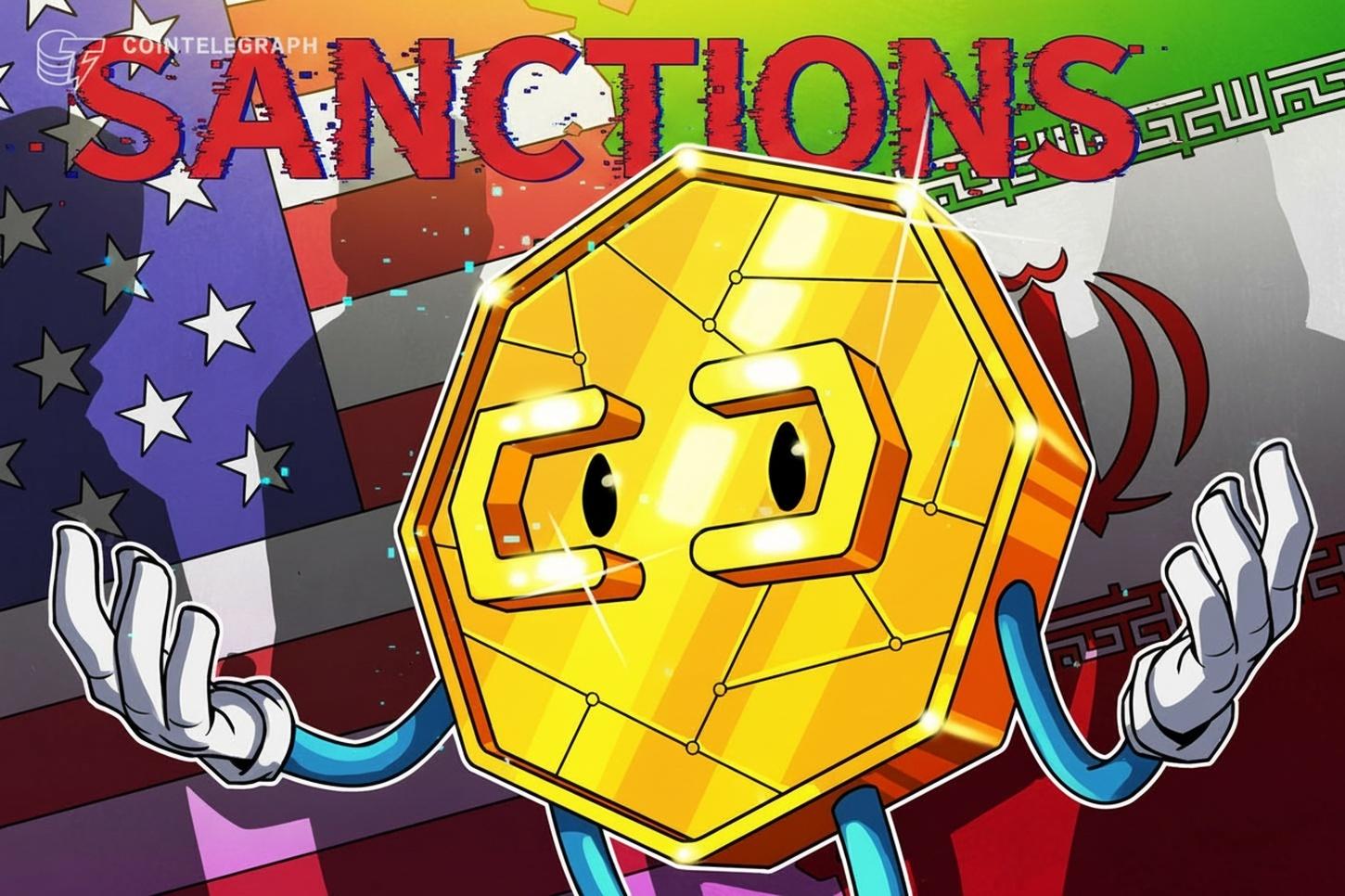
The U.S. Treasury Department has slapped sanctions on two Canadian money-exchange firms, marking an escalation in enforcement against crypto platforms allegedly enabling Iran to circumvent international financial restrictions. This move signals Washington's intensifying focus on cross-border crypto compliance and regulatory oversight.
The Enforcement Action
The Treasury's Office of Foreign Assets Control (OFAC) identified the Canadian exchanges as conduits for illicit financial flows connected to Iran's sanctioned regime. The agencies determined these platforms failed to implement adequate know-your-customer (KYC) and anti-money laundering (AML) protocols—a critical gap in the crypto trading ecosystem that regulators are increasingly targeting.
This isn't an isolated incident. We've watched regulatory pressure mount across crypto hubs as governments worldwide tighten oversight of digital asset exchanges. The Canadian financial sector, long considered relatively crypto-friendly, now faces heightened scrutiny from U.S. authorities over compliance failures.
What This Means for Crypto Markets
The sanctions carry real consequences. Designated entities typically face asset freezes, transaction bans, and operational restrictions. For the Canadian firms involved, this effectively locks them out of U.S. dollar transactions and international banking relationships—a death knell for most exchange operations.
The broader implication? Crypto platforms operating without robust compliance infrastructure are increasingly exposed to regulatory action. Trading firms and investors need to understand that exchanges operating in gray zones won't survive long-term regulatory pressure.
The Compliance Crackdown
This enforcement action underscores a key tension in crypto: decentralization's promise of financial freedom collides with governments' determination to enforce sanctions regimes. Iran sanctions remain among the most closely monitored restrictions globally, and financial institutions—including crypto exchanges—cannot claim ignorance about obligations to screen transactions.
U.S. authorities have demonstrated they'll pursue enforcement aggressively. Previous actions against crypto platforms have resulted in substantial fines and asset seizures. The pattern is clear: exchanges must implement sophisticated compliance systems or face consequences.
For institutional investors and traders evaluating platforms, this should be a wake-up call. Which exchange holds your bitcoin or ethereum? Do they operate under regulatory oversight? These questions matter more than ever as the compliance regime tightens.
Market Intelligence Takeaway
The crypto market has spent years debating whether regulations would kill innovation or provide clarity. This enforcement action shows regulators aren't waiting for debate—they're acting now. Platforms aligned with regulatory expectations will thrive; those operating in murky compliance zones face existential risk.
Canadian exchanges that survive this period will likely emerge as stronger competitors precisely because they'll be forced to implement higher compliance standards. This mirrors how bank-grade security became table stakes in crypto custody following high-profile hacks.
The sanctions also highlight why institutional adoption requires regulatory clarity. Large asset managers won't allocate billions to exchanges facing OFAC actions or uncertain legal status. Compliance is becoming a competitive moat, not a burden.
Alpha Take
U.S. enforcement against Canadian crypto exchanges signals that sanctions evasion through digital assets remains a top-tier regulatory priority. Traders and investors should screen exchanges for OFAC compliance, regulatory licensing, and transparent KYC procedures. Platforms failing basic compliance standards represent counterparty risk—your bitcoin or ethereum holdings are only as secure as the exchange's legal standing.
Originally reported by
CoinTelegraph
Not financial advice. Crypto investing involves significant risk. Past performance does not guarantee future results. Always do your own research.