
Vitalik's Off-Grid AI Strategy: Why Even Crypto Founders Want Control Over Their Models
Ethereum co-founder Vitalik Buterin is taking a hardline stance on artificial intelligence infrastructure, detailing a local-first AI stack designed to keep sensitive work offline and under human supervision. In a recent blog post, Buterin outlined his approach to building a "private" and "secure"
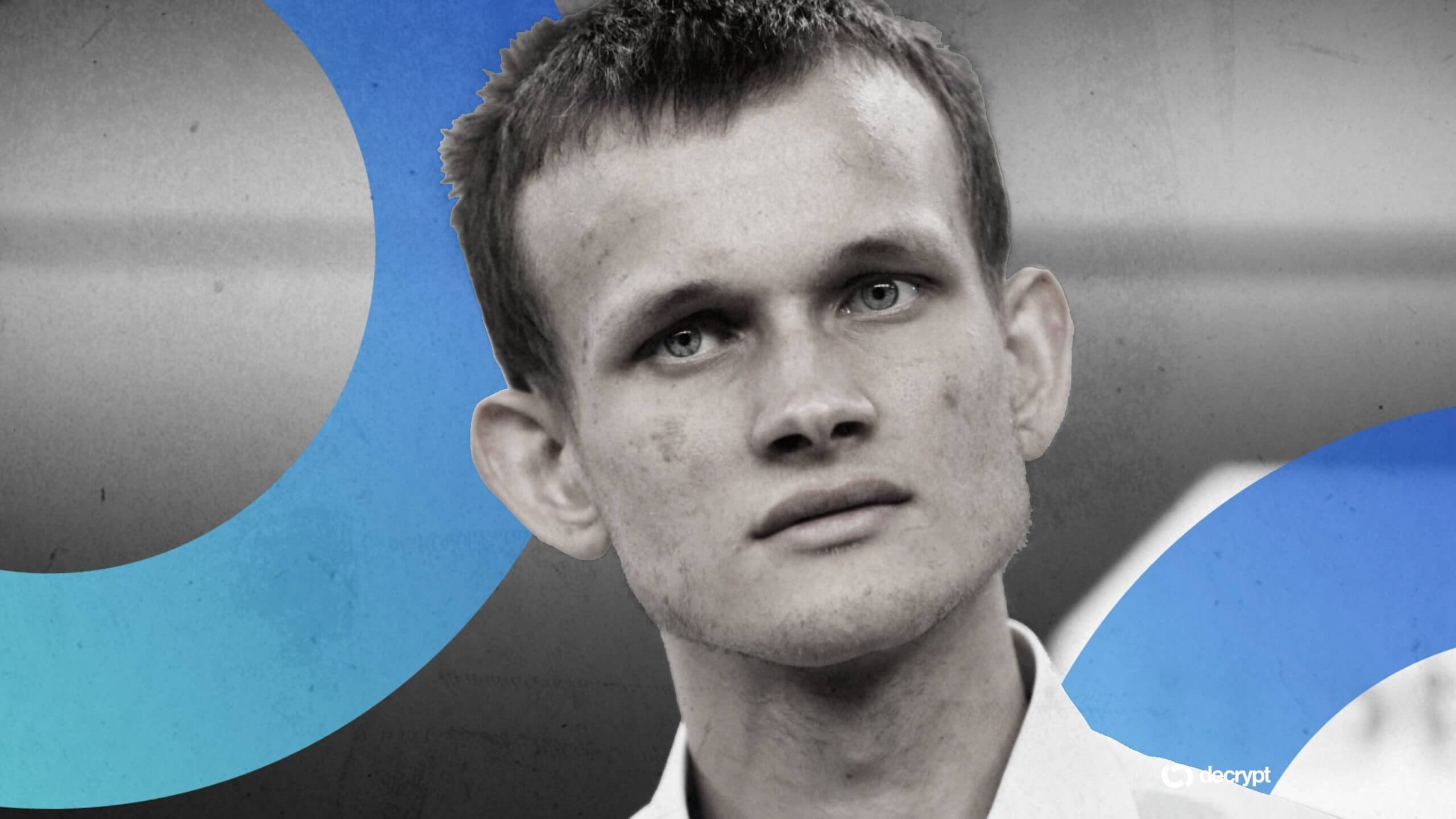
Ethereum co-founder Vitalik Buterin is taking a hardline stance on artificial intelligence infrastructure, detailing a local-first AI stack designed to keep sensitive work offline and under human supervision.
In a recent blog post, Buterin outlined his approach to building a "private" and "secure" AI environment—a setup that prioritizes local computation and manual approval workflows over reliance on cloud-based AI services. The move signals growing concerns within the tech elite about data sovereignty and the risks of outsourcing cognitive tasks to third-party platforms.
The Architecture: Local-First and Human-Gated
Buterin's system emphasizes on-device processing rather than cloud dependency. His stack incorporates custom tools requiring explicit human approval before executing sensitive tasks—a direct pushback against the black-box nature of modern AI assistants. This approach mirrors broader crypto security philosophy: verification, transparency, and personal custody.
The setup reflects a larger tension: as generative AI becomes embedded in daily workflows, power users are increasingly uncomfortable with the data flows inherent in commercial AI platforms. For someone like Buterin—whose technical work directly influences billions in crypto assets—outsourcing reasoning to external services presents unacceptable risks.
Why This Matters for Crypto Builders
The crypto industry has always emphasized self-custody and reducing trust assumptions. Buterin's AI infrastructure simply extends this principle to the computational layer. By maintaining a local-first approach, he's maintaining what crypto participants value most: control over their own systems without intermediaries.
This setup becomes especially relevant for portfolio management, market analysis, and strategic decision-making in the crypto space. For traders and portfolio managers using AI for crypto analysis, the implications are clear: relying on third-party AI platforms means sharing sensitive trading data with external parties. A private, local-first AI stack eliminates that exposure.
The Broader Trend
Buterin isn't alone in this thinking. Enterprise security teams and high-net-worth individuals are increasingly exploring self-hosted or hybrid AI models. Open-source alternatives like Llama and Mistral have gained traction precisely because they allow organizations to run models locally without cloud dependencies.
The broader context here involves regulatory scrutiny over AI capabilities, data privacy legislation tightening globally, and the ongoing concentration of AI power among a handful of corporations. For crypto builders already skeptical of centralized intermediaries, this trend is natural.
Buterin's technical blog post doesn't just describe his personal setup—it signals a template for how privacy-conscious developers might approach AI tooling. Custom tools requiring human approval represent a deliberate friction point: they're slower, but they maintain agency and reduce the risk of unauthorized or unintended outputs.
Alpha Take
Buterin's local-first AI approach reflects a security-first mindset that's become standard in serious crypto trading and portfolio management. As AI models become more powerful—and more susceptible to prompt injection or unintended outputs—the demand for verifiable, human-controlled systems will intensify. For serious traders making crypto market decisions, the infrastructure handling your analysis matters as much as the analysis itself. Privacy-preserving AI won't be a niche concern much longer.
Originally reported by
Decrypt
Not financial advice. Crypto investing involves significant risk. Past performance does not guarantee future results. Always do your own research.