
Active Duty Soldier Bypassed Regulated Exchanges to Place Maduro Bets on Polymarket
A U. S.
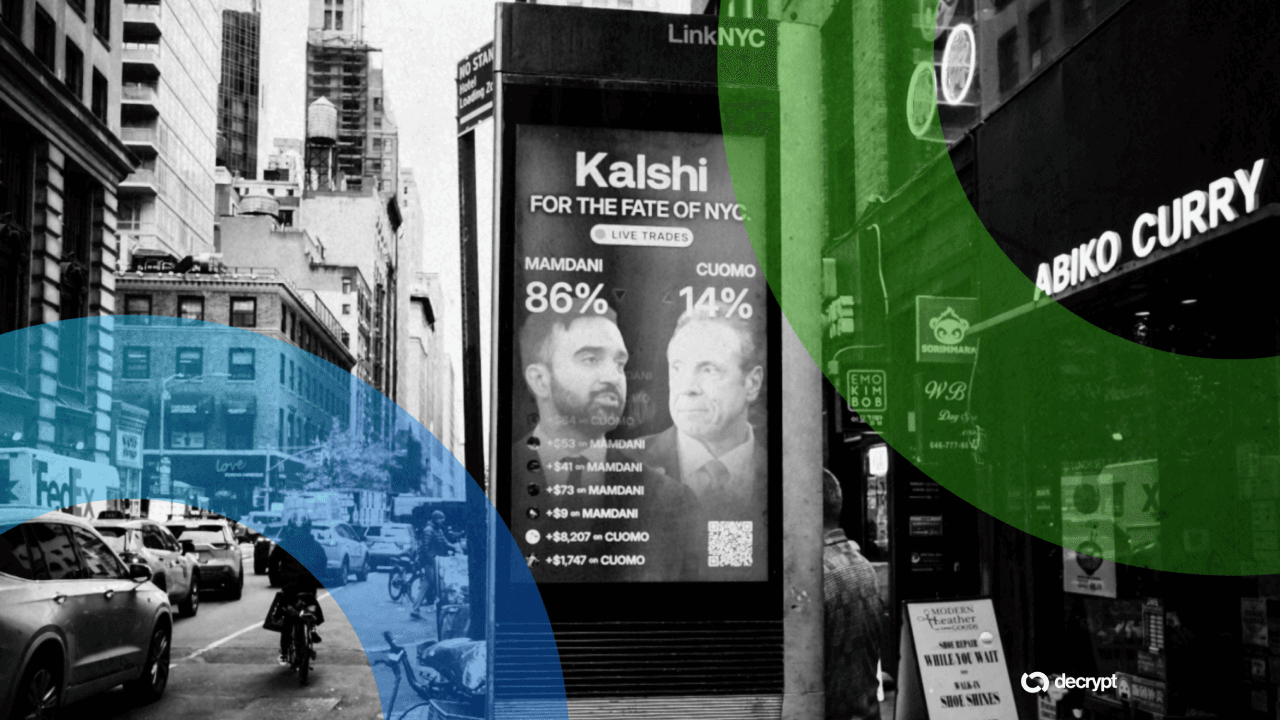
A U.S. soldier currently facing charges for allegedly leveraging classified military intelligence to place wagers on political events couldn't clear the compliance hurdles at Kalshi, forcing him to redirect his betting activity to Polymarket instead.
The soldier, whose identity remains under military investigation, attempted to establish an account on Kalshi—a CFTC-regulated prediction market platform—but failed to pass the platform's Know Your Customer (KYC) procedures. This regulatory friction proved consequential: unable to trade on the more stringent exchange, the individual pivoted to Polymarket, a less-regulated alternative where he subsequently placed bets related to Venezuelan political developments and Nicolás Maduro's political future.
The KYC Rejection That Changed Everything
Kalshi's rejection during onboarding highlights a critical distinction in crypto market infrastructure. The platform enforces stricter identity verification protocols than many decentralized or offshore alternatives. This gatekeeping mechanism—designed to satisfy regulatory requirements and mitigate compliance risks—effectively locked out the soldier from a mainstream venue. Rather than abandoning his betting strategy entirely, he found a workaround through Polymarket's more permissive access requirements.
This sequence raises uncomfortable questions about market fragmentation in prediction markets. When platforms implement varying levels of KYC rigor, users seeking to avoid scrutiny naturally migrate toward venues with lower barriers. It's a classic regulatory arbitrage play, except in this case, the stakes involved classified information and national security concerns.
Classified Intelligence and Market Advantage
The investigation alleges the soldier used sensitive military intelligence—information he accessed through his active duty role—to inform his Polymarket trading decisions. This moves well beyond typical speculation or retail investor behavior. If substantiated, it represents a serious breach of operational security and a fundamental violation of how classified information should be protected. The ability to consistently profit from political predictions based on non-public military intelligence creates an obvious market integrity problem.
Polymarket's decentralized nature and international accessibility made it an attractive venue for placing these bets. The platform's lower KYC demands meant faster account creation without the procedural friction he encountered at Kalshi. For someone attempting to capitalize on information advantages, this lower friction environment proved more suitable—and, from an enforcement perspective, more difficult to monitor initially.
Broader Implications for Crypto Trading Infrastructure
This case underscores why regulatory frameworks exist in the first place. Kalshi's KYC procedures, while sometimes criticized as excessive by the crypto community, serve a specific protective function: they create a baseline layer of accountability and identity verification. When sophisticated actors need that identity verification layer removed, it's often worth asking why.
The incident also highlights the growing intersection between prediction markets and sensitive information security. As crypto trading platforms mature and attract more sophisticated participants, the potential for information-based trading edges—especially those involving classified material—becomes an increasingly relevant concern.
Alpha Take
This case demonstrates how regulatory fragmentation in crypto markets creates predictable workarounds for bad actors. When KYC requirements vary across platforms, motivated individuals naturally gravitate toward lower-friction venues. For traders and portfolio managers, the lesson is clear: the compliance stringency of a platform often correlates with its institutional reliability and security posture. Polymarket's accessibility has value for retail traders, but understand the trade-offs.
Originally reported by
Decrypt
Not financial advice. Crypto investing involves significant risk. Past performance does not guarantee future results. Always do your own research.