
AI Isn't Causing a DeFi Security Apocalypse—Yet
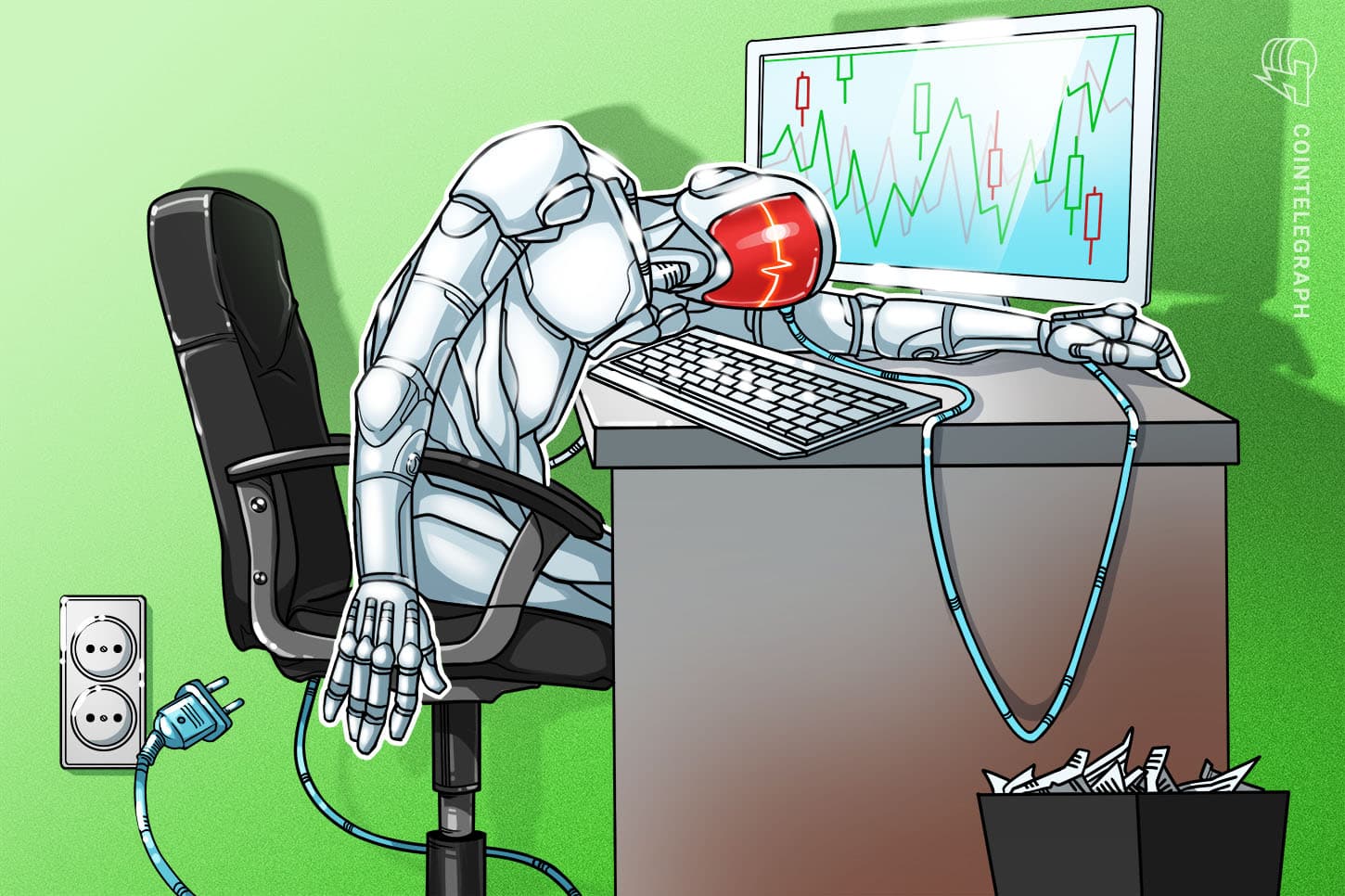
The doomsday predictions about AI-powered hacking haven't materialized in DeFi. Dragonfly Capital's managing partner Haseeb Qureshi made the case that contrary to what the fear-mongering suggested, we're actually seeing fewer major exploits, not more.
The doomsday predictions about AI-powered hacking haven't materialized in DeFi. Dragonfly Capital's managing partner Haseeb Qureshi made the case that contrary to what the fear-mongering suggested, we're actually seeing fewer major exploits, not more.
Here's what the data shows: total value stolen is declining compared to 2025, and the median hack size is shrinking too. This cuts against the narrative that circulated months ago—that sophisticated AI tools would unleash an unprecedented wave of smart contract vulnerabilities and protocol breaches.
The Reality vs. The Hype
When generative AI exploded into the mainstream, plenty of security experts warned it would be a game-changer for bad actors. The logic seemed sound: if AI could write code faster, couldn't it also find exploits faster? The fear was legitimate enough to make headlines.
But what we're seeing on-chain tells a different story. The declining theft totals and shrinking median exploit sizes suggest that either: (a) security measures have genuinely improved across DeFi, (b) the most obvious vulnerabilities have already been patched, or (c) AI hasn't been the silver bullet for hackers that some predicted.
Qureshi's take matters here. Dragonfly doesn't shy away from calling out real threats in crypto markets, so when they're signaling that the "hackpocalypse" narrative was overblown, that's worth paying attention to as you evaluate portfolio risk.
What This Means for Portfolio Strategy
This doesn't mean DeFi is suddenly bulletproof. Exploits still happen regularly—they're just not accelerating or reaching the catastrophic scale some projected. Smart contract auditing, bug bounty programs, and better engineering practices have likely raised the baseline security across major protocols.
For traders and fund managers building positions in DeFi tokens or protocols, this is moderately bullish data. Reduced hack velocity means less systemic tail risk hanging over the sector. When you're analyzing crypto market intelligence for position sizing, a declining hack frequency is a material variable.
The distinction matters: we're not seeing a security improvement so much as a validation that the threat scaling didn't happen as imagined. That's different, but it's still meaningfully positive for risk management.
Alpha Take
The AI-hacking doomsday scenario was always speculative—and the on-chain data backs that skepticism. Declining theft totals and median exploit sizes suggest we're in a holding pattern rather than an accelerating crisis. For crypto portfolio managers, this reduces one major tail risk variable, though ongoing vigilance on smart contract security remains table stakes. The narrative shift from "AI apocalypse" to "controlled threat environment" is quietly significant for how we're thinking about DeFi risk in 2025 and beyond.
Originally reported by
CoinTelegraph
Not financial advice. Crypto investing involves significant risk. Past performance does not guarantee future results. Always do your own research.