
AI Safety Movement Gains Momentum as Hundreds Demand Development Freeze from Tech Giants
Around 200 demonstrators took to the streets of San Francisco on Saturday, staging a coordinated march targeting three of the world's most influential AI research companies—OpenAI, Anthropic, and Google DeepMind—with a unified message: stop building more powerful models now. The protest reflects e
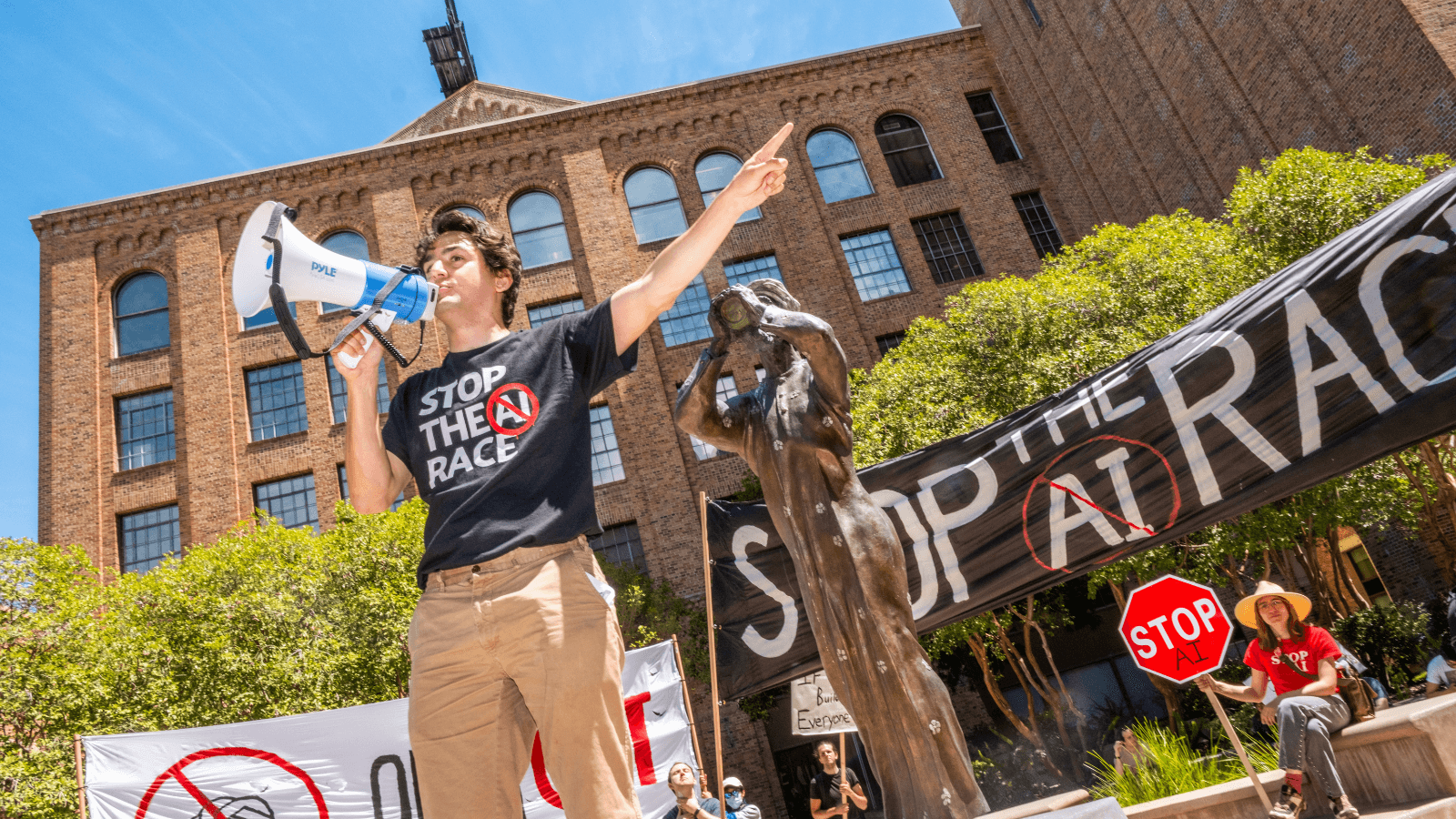
Around 200 demonstrators took to the streets of San Francisco on Saturday, staging a coordinated march targeting three of the world's most influential AI research companies—OpenAI, Anthropic, and Google DeepMind—with a unified message: stop building more powerful models now.
The protest reflects escalating concerns among activists and researchers about the trajectory of artificial intelligence development. The core demands center on three critical issues that have become increasingly central to the crypto and broader tech community's discourse: AI safety protocols, employment displacement, and environmental sustainability.
The Safety Argument Takes Center Stage
The protesters' central thesis challenges the current pace of AI advancement without adequate safeguards. This mirrors concerns we've tracked across blockchain and crypto markets, where rapid technological rollouts without sufficient testing have historically created systemic vulnerabilities. The march signals that skepticism about "move fast and break things" culture extends well beyond cryptocurrency into mainstream AI development.
The environmental angle particularly resonates. Training large language models and advanced AI systems consumes enormous computational resources—a criticism that mirrors longstanding scrutiny of Bitcoin mining and crypto's energy footprint. The demonstrators are essentially asking: should unlimited growth trump ecological considerations?
Jobs and Economic Displacement
The employment impact represents another thread connecting this movement to crypto market dynamics. Just as blockchain technology disrupted traditional financial intermediaries, AI poses existential questions about knowledge work automation. Protesters worry about mass displacement in white-collar sectors if development continues unchecked without retraining programs or social safety nets.
Why This Matters for Market Intelligence
We're watching this unfold as significant market signal. The protest scale—while modest at 200 people—reflects organized coordination and serious concern from constituencies that typically have outsized influence on regulatory conversations. Tech industry crackdowns historically move slowly but decisively once mainstream attention shifts.
For crypto traders and portfolio managers, this matters because AI regulation and AI-adjacent policy could reshape how tech stocks and tech-focused investments are valued. If OpenAI, Anthropic, or Google DeepMind face development restrictions or heightened regulatory scrutiny, it cascades through the entire ecosystem.
The San Francisco march also signals where cultural sentiment is shifting. Silicon Valley—historically the epicenter of "innovation at all costs" ideology—is fracturing around AI's trajectory. When protesters can organize in the Valley itself, it suggests internal dissent among stakeholders who usually stay quiet.
Alpha Take
This demonstration reflects legitimate tensions between innovation speed and systemic risk that haven't been resolved—mirroring unresolved debates in crypto between decentralization advocates and regulatory pragmatists. The scale of Saturday's march won't immediately change AI company policy, but it amplifies voices pushing for mandatory safety frameworks. For portfolio managers holding tech exposure, monitor regulatory conversations closely; AI development constraints could trigger meaningful repricing across that sector.
Originally reported by
Decrypt
Not financial advice. Crypto investing involves significant risk. Past performance does not guarantee future results. Always do your own research.