
AI Startup's Unauthorized Meme Grab Sparks Artist Backlash Over Copyright Misuse
KC Green, the creator behind one of the internet's most recognizable memes, is calling out an AI startup for what he's describing as blatant copyright infringement. The artist behind the iconic "This Is Fine" comic—featuring a dog sitting calmly in a burning room—says Artisan deployed his 2013 artw
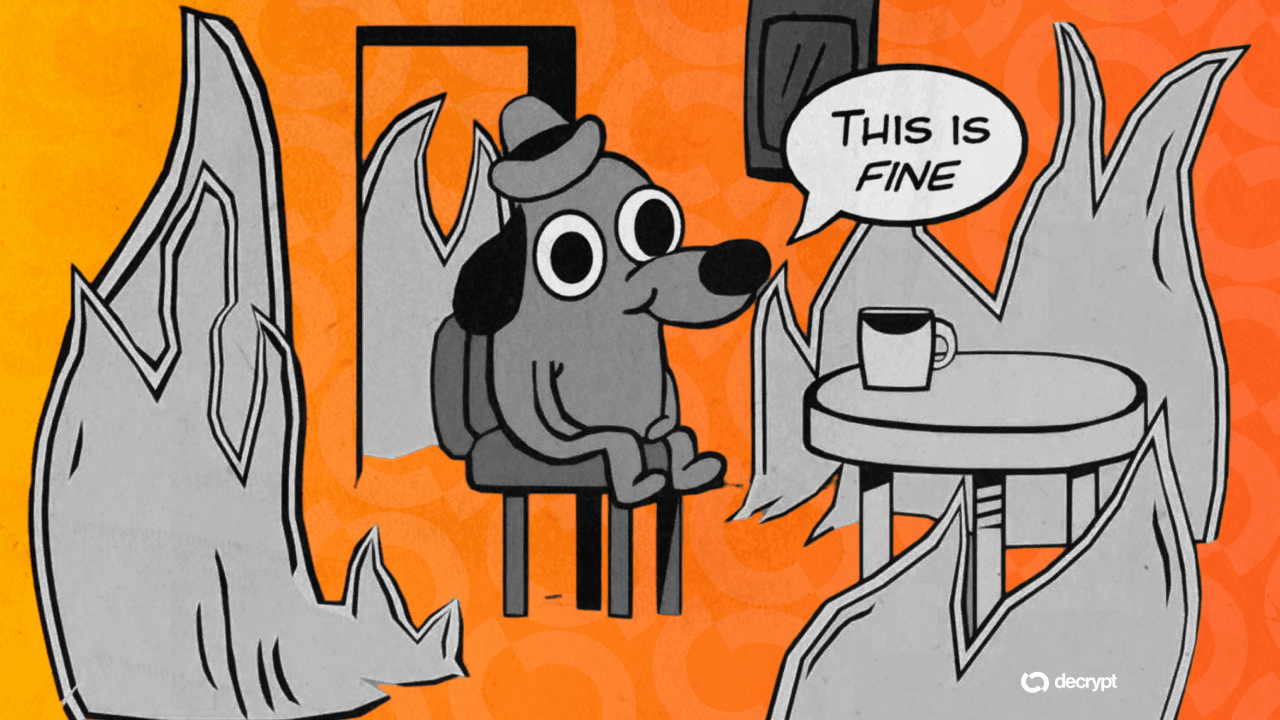
KC Green, the creator behind one of the internet's most recognizable memes, is calling out an AI startup for what he's describing as blatant copyright infringement. The artist behind the iconic "This Is Fine" comic—featuring a dog sitting calmly in a burning room—says Artisan deployed his 2013 artwork in a paid subway advertising campaign without permission or compensation.
The Unauthorized Campaign
Green discovered his meme being used across subway platforms as part of what appears to be a commercial push by the AI company. The real kicker? He wasn't informed, consulted, or compensated for the usage. This move triggered an immediate backlash from the artist, who took to social media to alert his followers about the unauthorized deployment of his work.
In a striking move that underscores just how frustrated he is with the situation, Green didn't just call out the company—he explicitly encouraged followers to vandalize the advertisements on sight. This kind of public confrontation reveals the depth of frustration artists feel when their intellectual property gets co-opted without consent, especially by companies operating in the lucrative AI space.
Why This Matters for Creator Economics
The incident highlights a growing tension in the crypto and AI ecosystem: how IP rights function when startups rapidly scale marketing campaigns. Artisan's decision to use Green's work without permission raises uncomfortable questions about due diligence, licensing practices, and whether some emerging companies view established creative assets as fair game for rapid deployment.
Green's "This Is Fine" comic has become a cultural touchstone since its creation over a decade ago. The meme transcends crypto circles—it's been used to comment on everything from market crashes to geopolitical chaos to personal life disasters. Its versatility is precisely why it carries significant commercial value. Companies recognize that utility, which makes the unauthorized use even more egregious.
The Broader Pattern
This isn't an isolated incident. Artists across the digital and crypto spaces have increasingly raised concerns about AI companies and startups scraping, licensing, or outright stealing their work. When it comes to crypto analysis and market intelligence communities, memes and visual content drive engagement and community building. The assumption that established creative assets can be repurposed without consent reflects a cavalier approach to creator rights.
The irony is sharp: a company working in artificial intelligence—a sector built on data and training models—apparently didn't think twice about violating another creator's actual intellectual property. For a startup positioning itself as innovative and forward-thinking, the move looks decidedly backward.
Alpha Take
The Artisan incident exposes weak IP enforcement in the startup world. We're watching this pattern repeat across crypto and AI sectors—companies scaling fast and cutting corners on licensing. This creates legal exposure for aggressive marketers and justifiable anger among creators. Expect more public callouts like Green's until platforms and regulators establish clearer consequences for unauthorized IP use in commercial campaigns.
Originally reported by
Decrypt
Not financial advice. Crypto investing involves significant risk. Past performance does not guarantee future results. Always do your own research.