
Albuquerque's Crackdown: City Bans Bitcoin ATMs Over Fraud Concerns
Albuquerque just became the latest U. S.
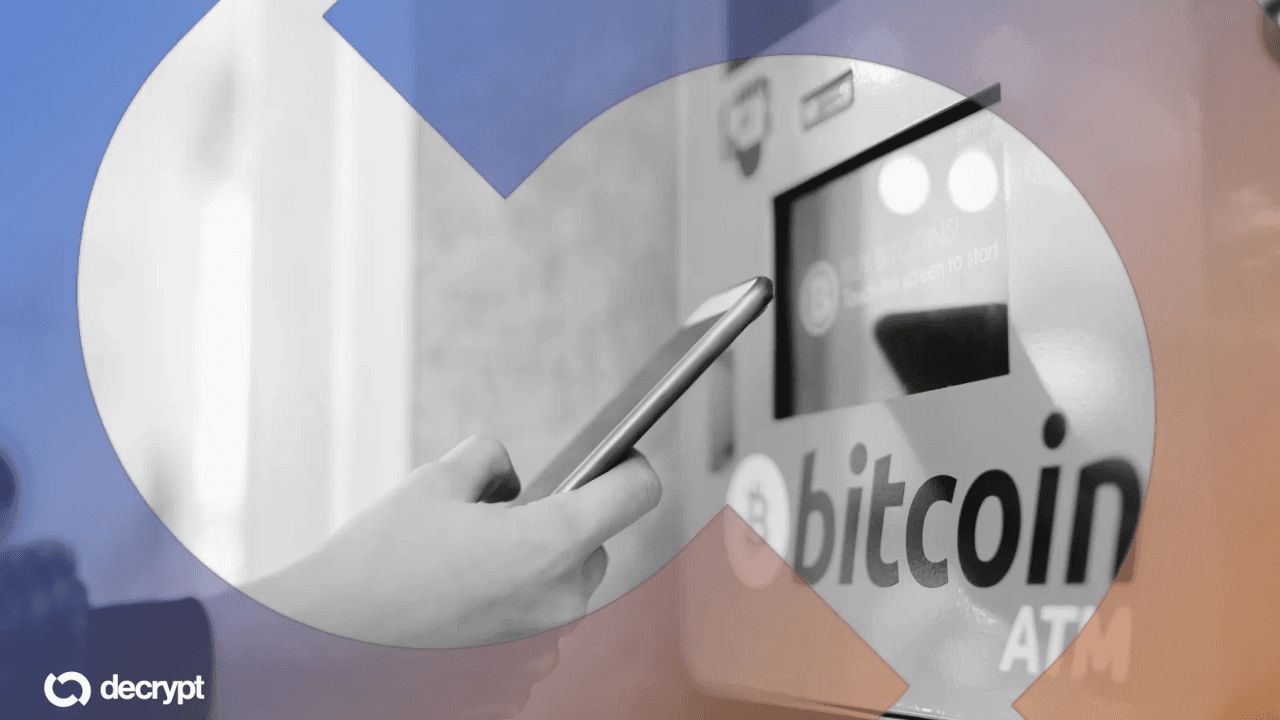
Albuquerque just became the latest U.S. city to take a hardline stance on crypto infrastructure. The city council has voted to ban Bitcoin ATMs entirely, giving operators a 45-day window to remove their machines from the municipality.
The reasoning? The numbers are damning. According to city councilors, roughly 90% of crypto kiosk transactions in Albuquerque are tied to fraud schemes, positioning these machines as primary conduits for financial crime in the area.
The Fraud Problem Is Real
This isn't rhetoric—local officials are pointing to concrete data showing crypto ATMs facilitate scams at an alarming rate. The machines have become notorious for enabling wire fraud, romance scams, and tax fraud, where victims are pressured to send cryptocurrency to criminals under false pretenses. Once that money hits the blockchain, it's essentially gone forever. Unlike traditional banking channels, crypto transactions are irreversible, making these kiosks perfect money-laundering nodes for bad actors.
Albuquerque isn't overreacting in isolation either. Cities across the country have observed similar patterns. The problem is straightforward: crypto ATMs require minimal identity verification compared to traditional financial institutions, and they operate 24/7 without the regulatory scrutiny that banks face. Scammers love this combination.
What This Means for the Crypto Ecosystem
The 45-day removal deadline puts operators in a tough position. Bitcoin ATM networks have expanded rapidly over the past few years as crypto adoption grew, but regulatory pressure is now squeezing these businesses from multiple angles. Cities are increasingly viewing these machines as liabilities rather than legitimate infrastructure.
This regulatory tightening has broader implications for the crypto market. While it doesn't directly impact Bitcoin or Ethereum prices, it does constrain on-ramp accessibility for retail users in certain regions. More importantly, it signals how municipalities are taking a more adversarial stance toward crypto's physical presence in their communities.
The Broader Context
What's happening in Albuquerque reflects a growing tension in the crypto landscape. Regulators and law enforcement agencies have made it clear they view unmonitored crypto conversion points as counterproductive to their fraud prevention efforts. The Treasury Department and FinCEN have both pushed for stricter KYC (Know Your Customer) requirements at crypto ATMs, but enforcement remains spotty across jurisdictions.
The ban also raises questions about how crypto advocates will respond. The industry often argues that cryptocurrency itself isn't the problem—it's how criminals misuse it. By that logic, banning ATMs is akin to banning gas stations because some people use cars for robbery getaways. But from a public safety perspective, Albuquerque officials clearly believe the fraud toll justifies the restriction.
Alpha Take
Albuquerque's ban exemplifies rising municipal-level resistance to unsupervised crypto infrastructure. While this won't crater the broader bitcoin or ethereum markets, it accelerates a trend of geographic fragmentation—crypto will face steeper friction in retail access within certain U.S. cities. Portfolio managers should monitor how other major metros respond; coordinated bans could meaningfully impact retail participation metrics and on-ramp accessibility for cryptocurrency trading. This is regulatory pressure working from the ground up.
Originally reported by
Decrypt
Not financial advice. Crypto investing involves significant risk. Past performance does not guarantee future results. Always do your own research.