
Andreessen Horowitz-Backed OpenReserve Wins Preliminary Nod for National Bank Charter—Here's What It Means for Crypto
OpenReserve Holdings just cleared a major regulatory hurdle. The a16z-backed startup secured preliminary approval from the Office of the Comptroller of the Currency (OCC) to operate as a national bank—a significant win in the push to bring institutional-grade crypto infrastructure onchain.
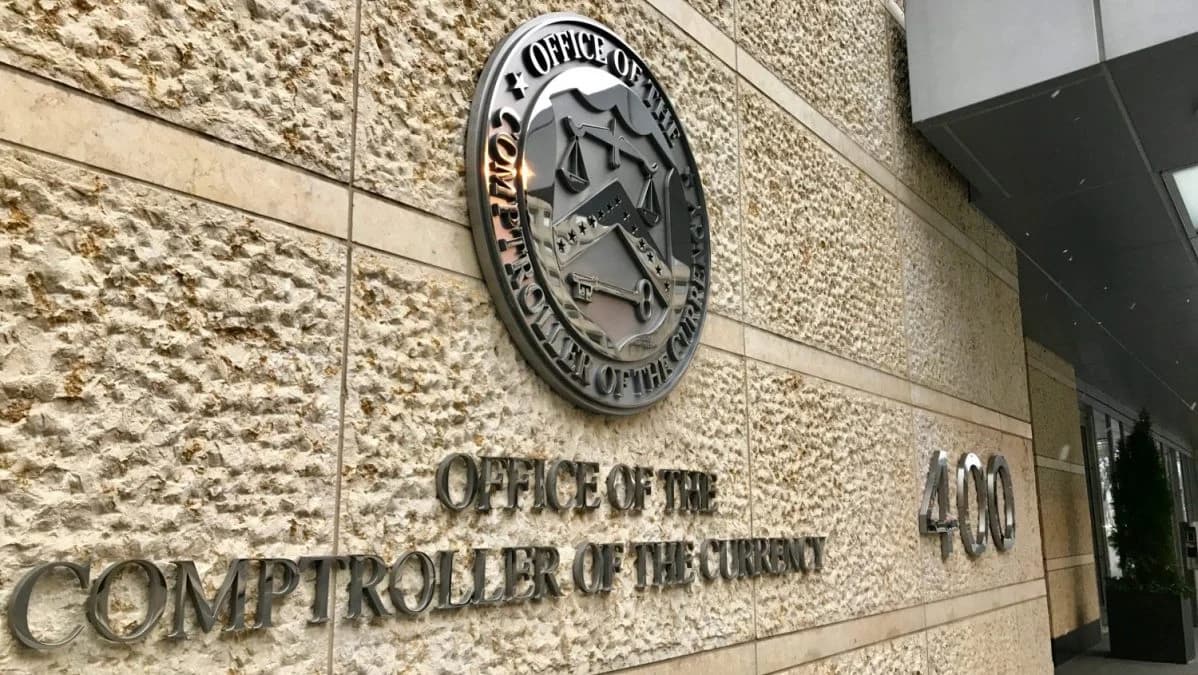
OpenReserve Holdings just cleared a major regulatory hurdle. The a16z-backed startup secured preliminary approval from the Office of the Comptroller of the Currency (OCC) to operate as a national bank—a significant win in the push to bring institutional-grade crypto infrastructure onchain.
The Play: Building Settlement Infrastructure for Crypto
Here's what matters: OpenReserve is positioning itself as a settlement layer specifically engineered for onchain transactions. Think of it as the plumbing that allows crypto transactions to clear like traditional wire transfers, but with the speed and efficiency of blockchain networks.
The preliminary OCC approval signals that federal regulators see merit in the model. This isn't a full charter yet—preliminary approval is step one—but it validates that OpenReserve's approach to marrying traditional banking infrastructure with crypto settlement architecture passes initial regulatory scrutiny.
Funding the Mission
The company closed a $25 million seed round to fuel development and navigate the regulatory gauntlet ahead. That war chest suggests serious backing. With Andreessen Horowitz (a16z) leading the charge, this isn't your typical crypto venture. a16z has been systematically building crypto infrastructure plays for years, and OpenReserve fits that thesis perfectly.
The funding timeline matters too. Crypto startups pursuing bank charters face notoriously long approval processes—often 18+ months of paperwork, compliance builds, and regulatory back-and-forths. The $25 million seed round gives OpenReserve runway to staff up compliance, technology, and operations teams while the approval process grinds forward.
Why This Matters for the Industry
This approval matters because it broadens the regulatory pathway for crypto infrastructure. Traditionally, crypto companies had limited options: operate as a money services business, seek a BitLicense in New York, or skirt regulations entirely. A national bank charter changes the equation—it means OpenReserve can hold deposits, manage settlement, and operate within the traditional banking system while maintaining crypto-native capabilities.
For portfolio managers and institutional traders, this represents infrastructure maturity. When settlement infrastructure becomes regulated and bank-grade, it reduces counterparty risk on major transactions. It's the kind of plumbing that needs to exist before institutions move serious capital into crypto.
What's Next
Preliminary approval is just the opening move. OpenReserve still needs to satisfy the OCC's full charter application requirements: capital standards, governance frameworks, compliance programs, and deposit insurance considerations. The regulator will likely scrutinize risk management protocols, especially around the intersection of traditional banking and blockchain operations.
The timeline from preliminary to final approval typically spans 6-12 months, assuming no major stumbles. OpenReserve will need to demonstrate that its onchain settlement technology doesn't create novel risks the OCC hasn't seen before—or that it has mitigants in place.
Alpha Take
OpenReserve's preliminary OCC approval validates a critical thesis: regulated financial infrastructure built for crypto is moving from theoretical to institutional reality. For traders and portfolio managers, this signals the emergence of institutional-grade settlement rails. Watch the full charter approval timeline closely—it's a bellwether for how seriously federal regulators are taking crypto infrastructure maturation. This matters because institutional capital deployment depends on it.
Originally reported by
The Block
Not financial advice. Crypto investing involves significant risk. Past performance does not guarantee future results. Always do your own research.