
Apple Takes Legal Action Against OpenAI Over Alleged Theft of Proprietary Technology
Apple's hitting OpenAI with a lawsuit claiming former employees made off with critical trade secrets—a move that underscores the fierce talent competition between Big Tech and AI labs reshaping the crypto and blockchain landscape. The complaint alleges that multiple former Apple employees transfer
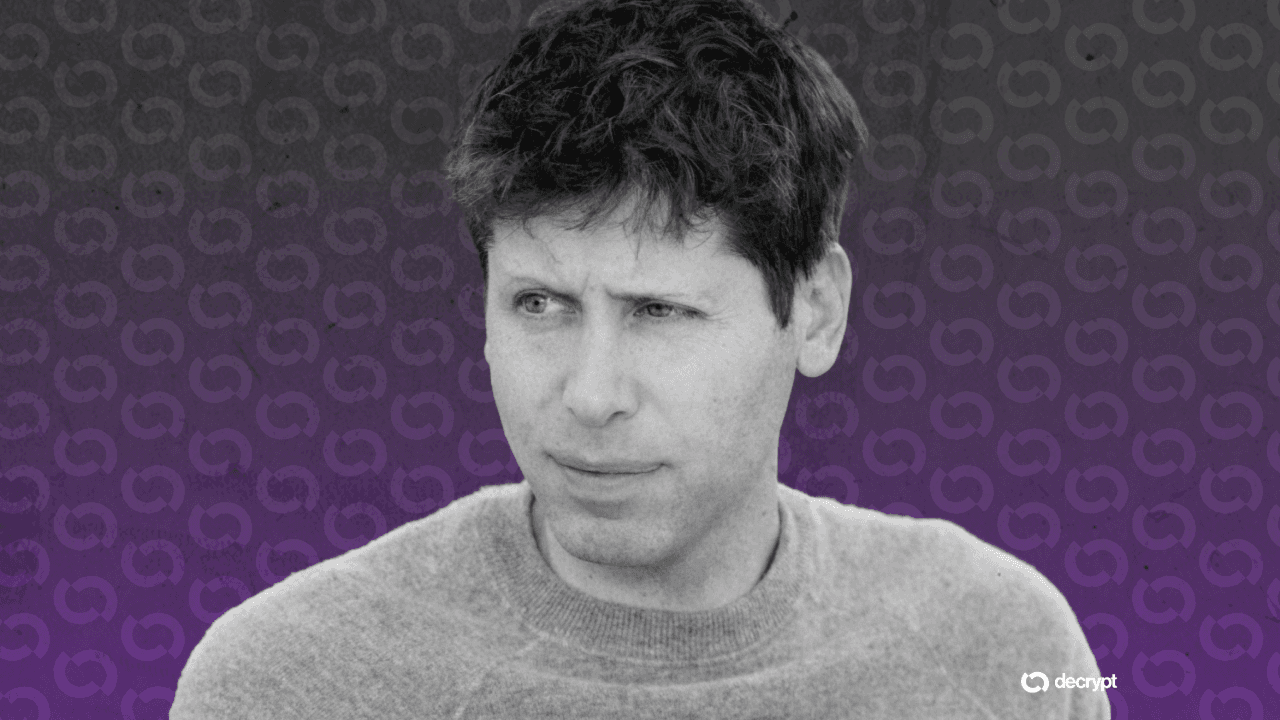
Apple's hitting OpenAI with a lawsuit claiming former employees made off with critical trade secrets—a move that underscores the fierce talent competition between Big Tech and AI labs reshaping the crypto and blockchain landscape.
The complaint alleges that multiple former Apple employees transferred confidential designs, supplier information, and engineering files to OpenAI before their departure. This isn't just corporate finger-pointing; it's a direct challenge to how AI companies are recruiting top talent from established tech giants.
The Allegations
According to Apple's filing, the ex-employees didn't quietly slip out the door. The company claims they systematically extracted proprietary materials spanning critical engineering documentation and supplier networks—information that could accelerate OpenAI's product development timeline significantly. The specific details around which projects or technologies were compromised remain under wraps, but the scope suggests this was calculated, not accidental.
Why This Matters for Crypto Markets
Here's where it gets relevant to our world: The broader battle between centralized AI development and decentralized crypto infrastructure just entered a new phase. As OpenAI scales, it's pulling engineering talent from the traditional tech ecosystem. For crypto investors watching Ethereum, Bitcoin, and blockchain platforms, this matters because it signals where top technical minds are flowing—and right now, they're gravitating toward centralized AI players rather than distributed systems.
The lawsuit also highlights vulnerability in how proprietary information moves between companies, a concern that resonates across crypto trading and portfolio management platforms relying on sensitive algorithmic and security protocols.
Legal Implications
Apple's suing under trade secret theft statutes, which carry both civil and potentially criminal ramifications. If the company proves willful misappropriation, damages could be substantial—though we're not seeing specific figures publicly yet. OpenAI hasn't publicly commented on the allegations, but expect a vigorous defense. The company has historically maintained that hiring top talent is standard industry practice.
This case will likely set precedent for how AI companies acquire and deploy talent from traditional tech. If Apple wins, it could chill recruitment efforts across the industry. If OpenAI prevails, it sends a message that talent mobility trumps trade secret claims—something that could reshape how engineers and researchers navigate employer transitions.
Market Intelligence Angle
For those tracking crypto market intelligence and blockchain development, pay attention to who wins here. A victory for Apple suggests tighter controls on proprietary information flows, potentially making it harder for crypto projects to recruit specialists from Big Tech. Conversely, an OpenAI win accelerates the talent drain from traditional tech into AI labs—and potentially away from decentralized finance and blockchain infrastructure development.
The lawsuit represents a flashpoint in the war for engineering talent, with ripple effects across multiple industries including crypto and finance.
Alpha Take
We're watching this closely because trade secret litigation outcomes directly impact talent flows to crypto and blockchain sectors. If Apple successfully prosecutes, expect tighter non-compete agreements—which could redirect talent back to decentralized projects starved for engineering resources. The result could paradoxically benefit crypto infrastructure as engineers avoid restrictive employment terms with Big Tech.
Originally reported by
Decrypt
Not financial advice. Crypto investing involves significant risk. Past performance does not guarantee future results. Always do your own research.