
Arizona's Crypto ATM Reimbursement Rule Delivers First Real Wins for Scam Victims
Arizona's groundbreaking crypto ATM legislation is proving it can actually work. The state's new consumer protection framework has already helped 35 victims recover $171,000 in losses—a meaningful demonstration that regulatory guardrails can make a difference in an industry plagued by irreversible
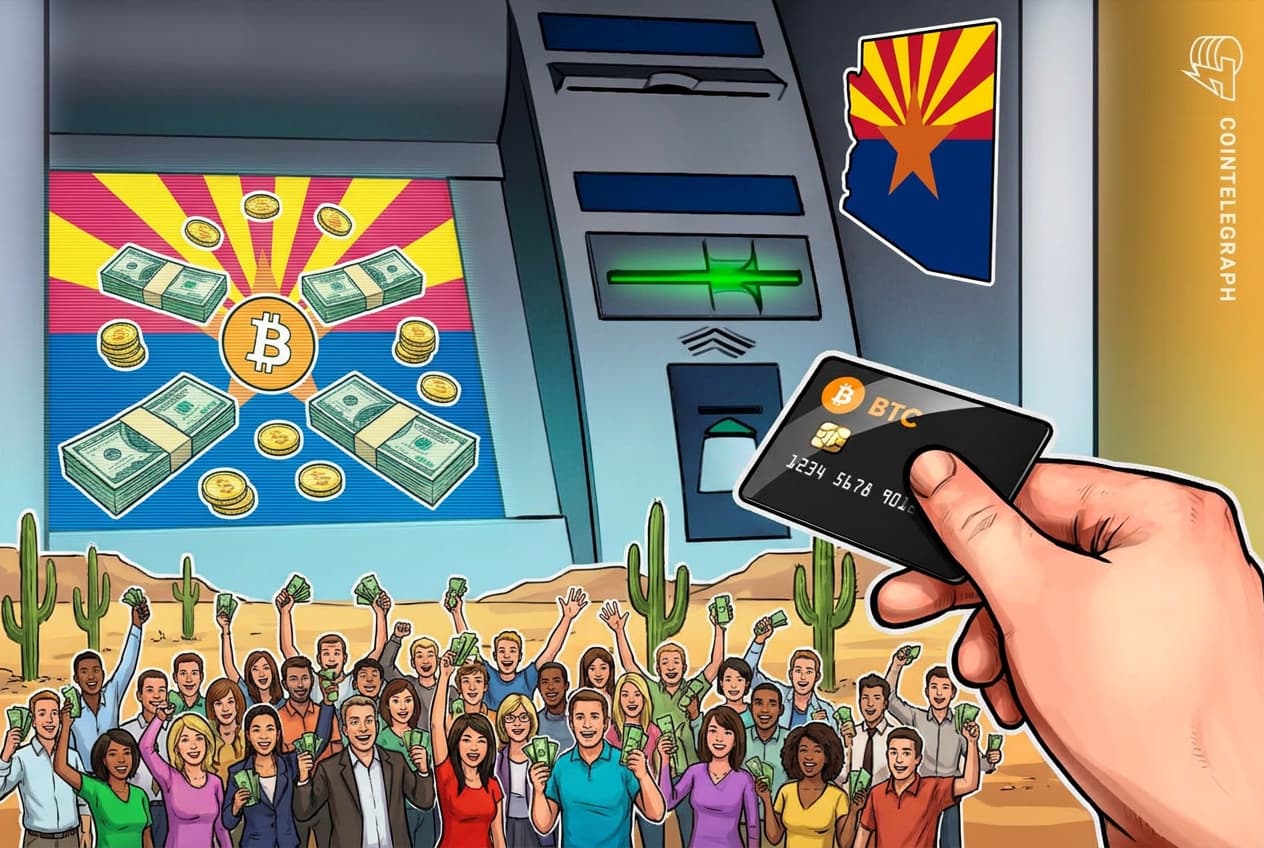
Arizona's groundbreaking crypto ATM legislation is proving it can actually work. The state's new consumer protection framework has already helped 35 victims recover $171,000 in losses—a meaningful demonstration that regulatory guardrails can make a difference in an industry plagued by irreversible transactions.
Here's how the mechanism works: qualifying new customers who fall victim to scams can receive full reimbursement, including fees, provided they notify both the ATM operator and law enforcement within 30 days. It's a narrow window, but it's a window nonetheless—and in crypto, that's progress.
The Real Problem It Solves
Crypto transactions are notoriously final. You send funds to a scammer's wallet, and they're gone. No chargeback like with credit cards. No recourse like with traditional banking. This irreversibility is a feature for legitimate crypto users but a nightmare for victims of pump-and-dump schemes, fake investment gimmicks, and impersonation cons.
The 35 cases represent real people who lost money to these tactics. The $171,000 recovery means they didn't have to absorb those losses entirely. That's not trivial—especially for retail investors who typically bear the brunt of crypto fraud.
What This Means for the Broader Market
Arizona's approach signals a shift in how regulators are thinking about crypto infrastructure. Rather than banning crypto ATMs outright (as some jurisdictions have), Arizona created accountability mechanisms. ATM operators now have skin in the game. They're incentivized to implement better identity verification, transaction monitoring, and fraud detection—because reimbursement obligations hit their bottom line.
This creates competitive pressure for safer operators. It also establishes a framework that other states are watching closely. We're already seeing similar legislation proposed in other jurisdictions as policymakers realize that blanket prohibition isn't the only regulatory option.
The 30-Day Window: Critical Timing
The 30-day notification requirement is tight but deliberate. It forces victims to act quickly—report to law enforcement immediately, not months later when memories fade and trails go cold. For law enforcement, this compressed timeline means better coordination with ATM operators while transaction records are fresh and blockchain traces are easier to establish.
The requirement also encourages victims to actually report crimes rather than silently absorbing losses. Better reporting data means better insights into fraud patterns, which helps law enforcement and operators refine their defenses.
What's Still Missing
This framework isn't a silver bullet. It only covers new qualifying customers using ATMs in Arizona. It doesn't address peer-to-peer scams, exchange-based losses, or the vast majority of crypto fraud that happens outside ATM ecosystems. The 30-day window is also unforgiving—miss it by a day and you're out.
But it's a start. And in an industry where consumer protections have been virtually nonexistent, a start that recovers real money for real victims matters.
Alpha Take
Arizona's crypto ATM law is working as intended—35 victims recovered $171K because there's now actual accountability. The 30-day notification window creates urgency that benefits both victims and law enforcement. Watch for other states adopting similar frameworks; this model could become a template for balancing crypto innovation with consumer protection, though broader coverage of exchange and peer-to-peer fraud remains the critical next frontier.
Originally reported by
CoinTelegraph
Not financial advice. Crypto investing involves significant risk. Past performance does not guarantee future results. Always do your own research.