
Artist Behind Viral 'Running Away Balloon' Meme Takes Legal Action Against AI Platform Over Unauthorized Templates
The creator of the iconic "Running Away Balloon" comic is pursuing legal action against an AI meme generator—but not for the reasons you'd expect in today's crypto-adjacent tech wars. Rather than litigating the familiar battle over AI training datasets, this suit zeros in on a different vulnerabil
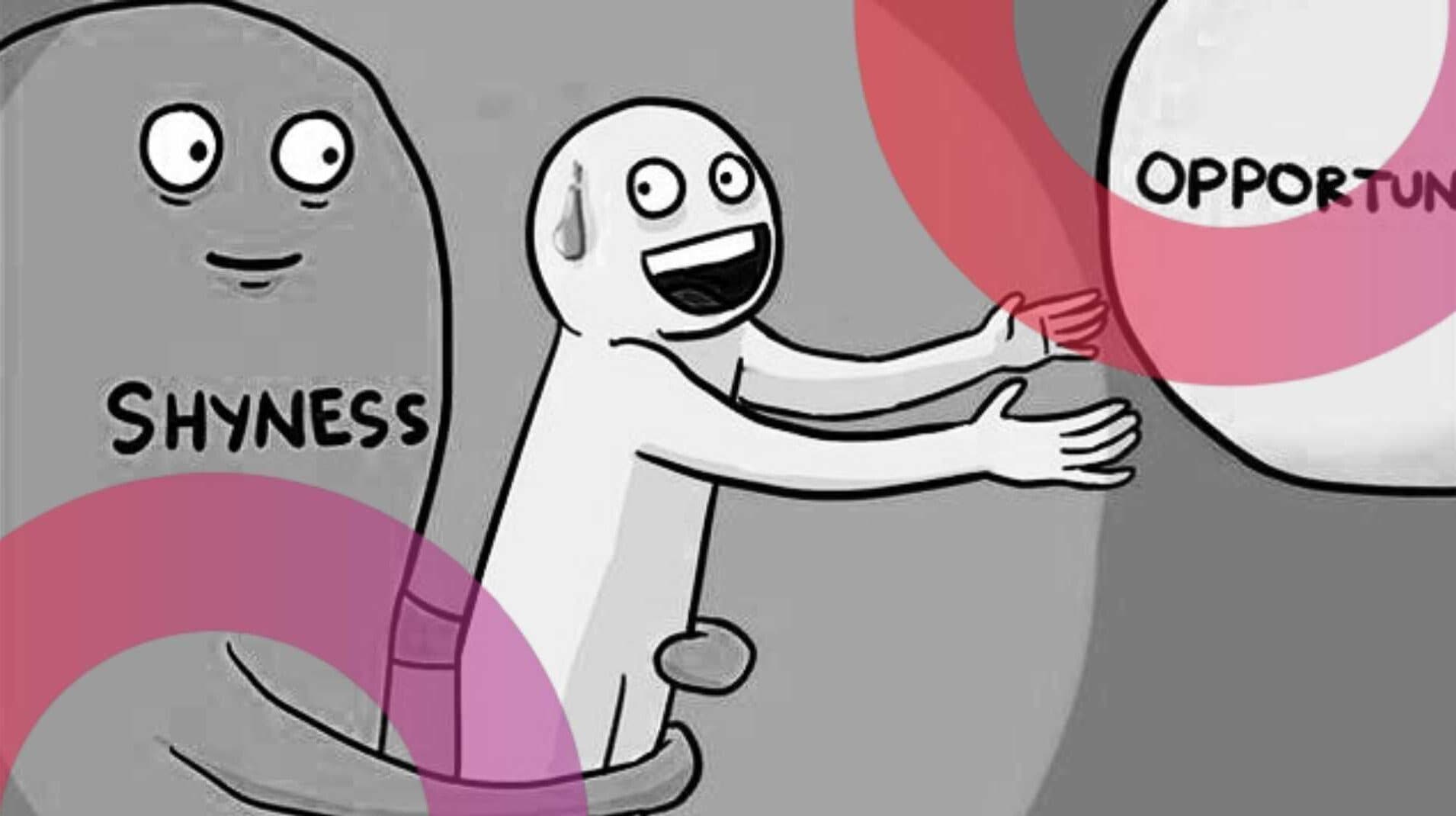
The creator of the iconic "Running Away Balloon" comic is pursuing legal action against an AI meme generator—but not for the reasons you'd expect in today's crypto-adjacent tech wars.
Rather than litigating the familiar battle over AI training datasets, this suit zeros in on a different vulnerability: the artist's work allegedly appears in a paywalled template catalogue, complete with name-searchable functionality. That's a specific operational choice that sidesteps the murkier legal territory of what data AI models consume during training.
The Legal Angle: Templates, Not Training
This approach represents a calculated strategic pivot. Instead of wading into the contentious debate about whether AI systems should need explicit permission to learn from copyrighted material—a fight that's consumed countless crypto and tech communities—the artist's legal team is targeting concrete, monetizable use of the work.
The distinction matters for market intelligence purposes. If the template catalogue requires payment and users can explicitly search by the artist's name, that's arguably a more straightforward commercial misappropriation case. It's the kind of specific operational detail that securities lawyers and portfolio managers track, since it could influence how other AI companies structure their offerings.
Why This Strategy Works
We're seeing a pattern emerge in intellectual property disputes around generative AI. Rather than fighting over training data (which remains legally ambiguous across jurisdictions), aggrieved creators are targeting the commercialized application layer—where companies clearly profit from copyrighted material in ways that are harder to defend as fair use.
The paywalled template system creates documentary evidence of:
- •Intentional cataloguing of the specific work
- •Searchability by the original creator's name
- •Direct monetization tied to that asset
That's substantively different from arguing "your model saw my image during training."
Market Implications
For portfolio managers tracking AI litigation risk, this case signals where future disputes will concentrate. We're likely to see more challenges focused on how AI platforms commercialize and organize copyrighted content, rather than the philosophical question of whether training constitutes infringement.
This also matters for crypto investors monitoring AI-adjacent projects. Any generative AI platform operating template marketplaces or searchable asset libraries should expect increased scrutiny around licensing practices. The lower legal bar for targeting monetized templates versus training data means more litigation is probable.
Alpha Take
This lawsuit represents a tactical shift in AI copyright disputes: creators are bypassing the murky training data battlefield and attacking where companies make money most directly. For traders tracking generative AI companies, watch for similar suits targeting template marketplaces and searchable asset libraries—these have stronger legal footing than training data disputes. We're entering an era where operational transparency in how AI platforms commercialize copyrighted material will become a material legal risk factor.
Originally reported by
Decrypt
Not financial advice. Crypto investing involves significant risk. Past performance does not guarantee future results. Always do your own research.