
Bank of Korea Maps Out Tokenized Bonds Strategy as Central Banks Race Into Digital Finance
The Bank of Korea's governor is bullish on tokenized government bonds, positioning them as a game-changer for how central banks manage sovereign debt. Speaking at the ECB Forum, he highlighted how blockchain-based bond issuance could streamline everything from origination to settlement—a move that
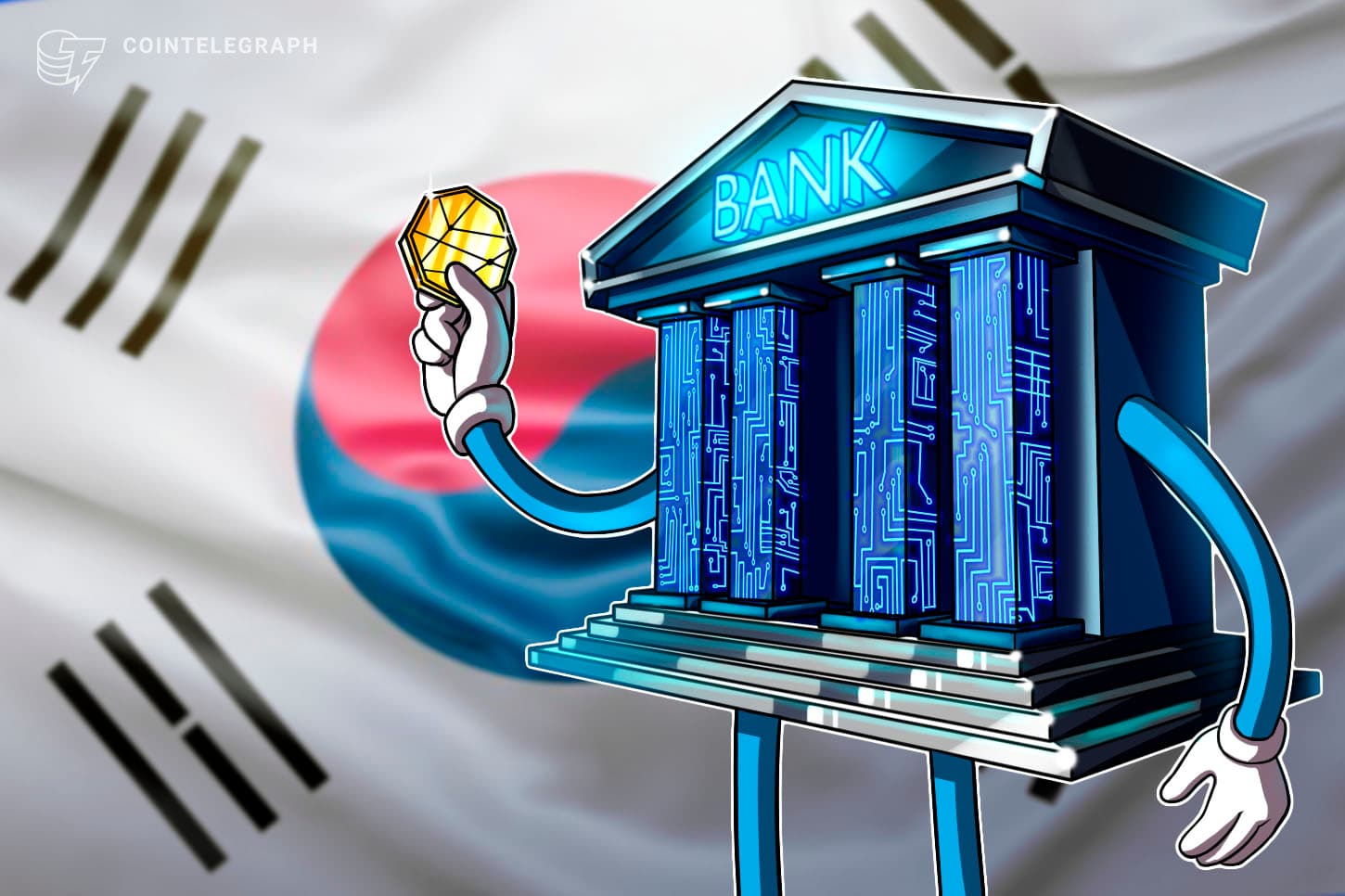
The Bank of Korea's governor is bullish on tokenized government bonds, positioning them as a game-changer for how central banks manage sovereign debt. Speaking at the ECB Forum, he highlighted how blockchain-based bond issuance could streamline everything from origination to settlement—a move that signals serious institutional adoption of crypto infrastructure.
The Tokenization Push
Here's what matters: tokenized bonds represent a fundamental shift in how governments raise and manage capital. The Bank of Korea's governor emphasized that moving bonds onto distributed ledger technology reduces friction in issuance cycles and simplifies debt management operations. Instead of dealing with legacy systems and intermediaries, governments can issue, track, and settle bonds faster and cheaper.
This isn't just theoretical. Central banks worldwide are experimenting with central bank digital currencies (CBDCs) and blockchain infrastructure. The Bank of Korea's public endorsement adds credibility to the tokenization narrative—particularly for institutional investors and portfolio managers looking at how digital assets intersect with traditional finance.
Unified Ledger Vision
The governor also outlined plans for a unified ledger infrastructure. This is significant crypto market intelligence: a single ledger system could standardize how different financial instruments—bonds, currencies, settlement systems—operate across institutions. The efficiency gains are substantial. Right now, multiple ledger systems create siloes, delays, and operational costs.
A unified ledger framework would mean:
- •Faster settlement times across bond markets and crypto trading infrastructure
- •Reduced counterparty risk through real-time transparency
- •Lower operational overhead for banks and asset managers
- •Better interoperability between traditional finance and blockchain ecosystems
Institutional Implications
This development matters for crypto analysis and market intelligence. When major central banks adopt tokenized systems, it legitimizes blockchain technology for institutional portfolios. We're watching a slow but steady migration of finance infrastructure from traditional rails to distributed ledger technology.
The Bank of Korea's position aligns with broader trends: the European Central Bank has explored digital euros, Singapore's MAS is testing tokenized settlement systems, and major economies are racing to establish CBDC frameworks. Tokenized bonds fit naturally into this ecosystem—they're a bridging asset between traditional sovereign debt markets and digital finance infrastructure.
Market Implications
For traders and portfolio managers, this signals institutional appetite for blockchain-based financial instruments. Bitcoin, ethereum, and other crypto assets benefit from narratives around mainstream adoption. When central banks publicly discuss tokenization and unified ledgers, it reduces regulatory uncertainty and increases the probability of large institutional capital flows into crypto infrastructure plays.
The crypto intelligence here: tokenized bonds could open entirely new asset classes for sophisticated investors. We're not talking about speculative altcoins—this is about digital infrastructure for government debt, the safest possible use case for blockchain technology.
Alpha Take
The Bank of Korea's tokenized bond vision accelerates institutional adoption of distributed ledger technology. This isn't hype—it's central bank-level validation of blockchain infrastructure for traditional finance. Watch for related CBDC announcements and unified ledger pilots; they'll likely drive institutional portfolio reallocation toward crypto infrastructure and tokenization plays.
Originally reported by
CoinTelegraph
Not financial advice. Crypto investing involves significant risk. Past performance does not guarantee future results. Always do your own research.