
Bank of Thailand Cracks Down on Stablecoins Used to Skirt Financial Rules
Thailand's central bank has identified suspicious stablecoin activity that appears designed to circumvent financial oversight, according to officials. The Bank of Thailand flagged abnormal trading patterns in its ongoing effort to police the so-called "grey economy"—that murky space where transacti
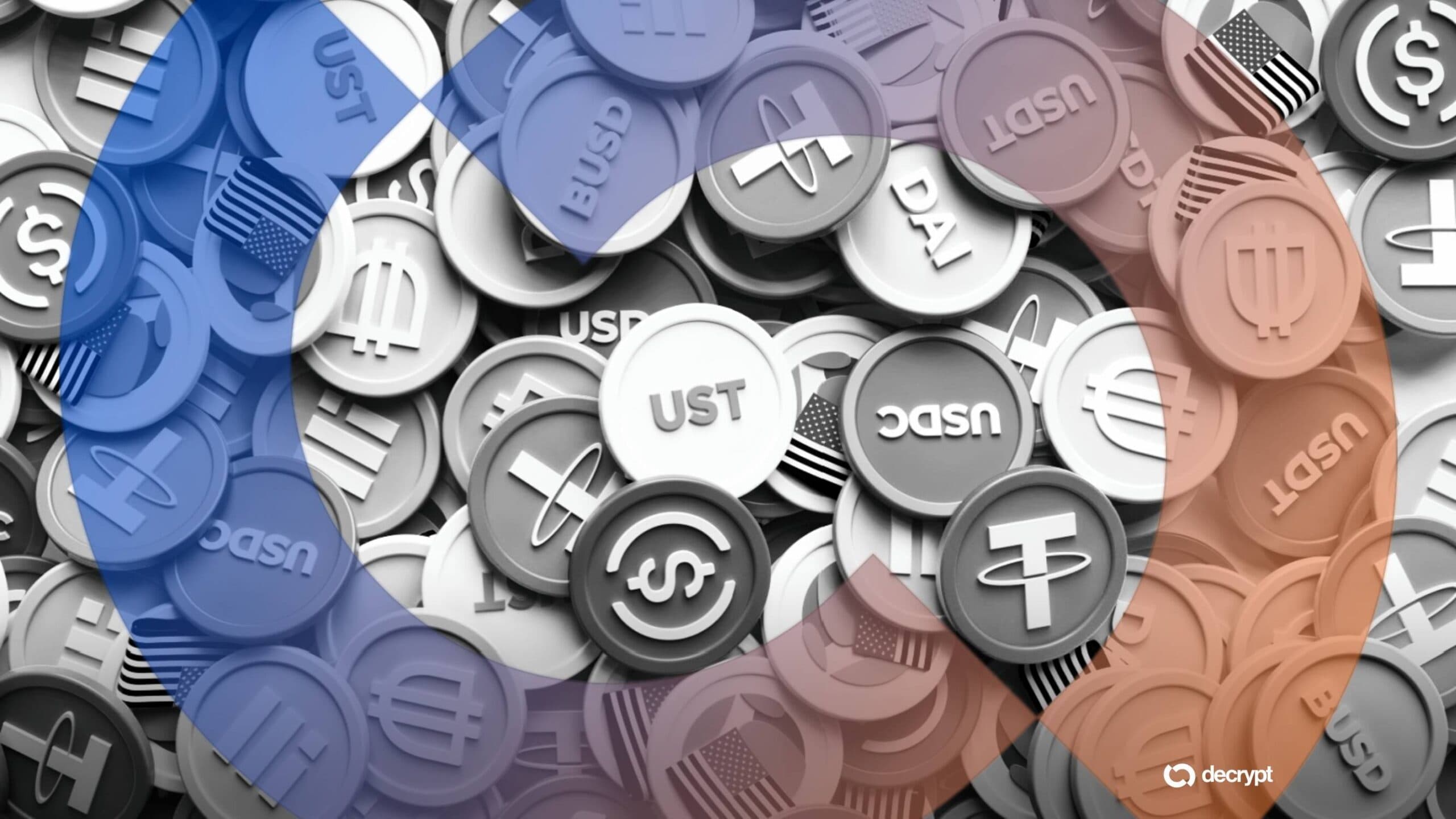
Thailand's central bank has identified suspicious stablecoin activity that appears designed to circumvent financial oversight, according to officials. The Bank of Thailand flagged abnormal trading patterns in its ongoing effort to police the so-called "grey economy"—that murky space where transactions operate outside formal regulatory frameworks.
Data analytics uncovered stablecoin transfers exhibiting telltale signs of evasion tactics. Rather than sitting on the findings, the Bank of Thailand handed its analysis directly to the Securities and Exchange Commission (SEC), the country's primary securities watchdog.
The Grey Economy Problem
Stablecoins—crypto assets pegged to fiat currencies like the US dollar—have become a preferred tool for moving value quickly across borders. That efficiency cuts both ways. While legitimate traders and businesses use them for seamless transactions, bad actors exploit the same properties to dodge regulatory scrutiny.
The Bank of Thailand's move reflects a broader global pattern: central banks are increasingly deploying sophisticated data analytics to detect crypto abuse. Thailand isn't alone. Regulators worldwide are grappling with how to monitor blockchain activity that, by design, can operate with minimal friction.
What makes this concerning for the crypto market intelligence community is the coordination between agencies. When a central bank hands findings to securities regulators, it signals escalating enforcement pressure. For crypto traders and portfolio managers, this means tighter compliance expectations ahead.
What This Means for Stablecoin Users
The flagged transfers suggest someone—or multiple entities—were using stablecoins strategically to obscure transaction trails. Whether the activity involved tax evasion, money laundering, or other illicit purposes remains unclear from the Bank of Thailand's statement. But the pattern caught their algorithmic attention, which is the key point.
Thailand has been cautiously exploring crypto regulation rather than outright bans. The country issued crypto exchange licenses and drafted frameworks for digital asset businesses. This stablecoin crackdown fits that measured approach: allow crypto trading under a regulatory umbrella, but monitor activity for abuse.
The Broader Implications
For bitcoin, ethereum, and other crypto assets, increased regulatory scrutiny around stablecoins matters significantly. Stablecoins are the on-ramps and off-ramps for most retail crypto trading. When regulators restrict or scrutinize stablecoin flows, they're indirectly controlling liquidity access to the broader crypto ecosystem.
The Bank of Thailand's collaboration with the SEC also matters. Inter-agency coordination typically precedes formal enforcement actions. Traders and crypto portfolio managers operating in Thai markets should expect tighter compliance requirements, more transaction scrutiny, and potentially higher barriers to stablecoin access.
The analytics-based approach is worth noting too. Modern central banks aren't waiting for tips or complaints—they're actively scanning blockchain data themselves. This represents a fundamental shift in how financial authorities monitor crypto markets.
Alpha Take
Thailand's stablecoin crackdown reflects the global tightening of crypto regulation around stablecoins. Watch for similar enforcement actions across Southeast Asia as central banks deploy data analytics. For traders, this underscores why compliance infrastructure and legitimate trading venues matter—the regulatory net is tightening, and operating in the grey economy is becoming increasingly risky and detectable.
Originally reported by
Decrypt
Not financial advice. Crypto investing involves significant risk. Past performance does not guarantee future results. Always do your own research.