
Base Layer Bounces Back: Coinbase's Network Recovers from Critical Consensus Failure
Coinbase's Base blockchain experienced a significant outage Thursday that disrupted block production for approximately two hours before the network restored normal operations. The incident stemmed from a consensus issue that temporarily halted the layer-2 network's ability to validate and produce
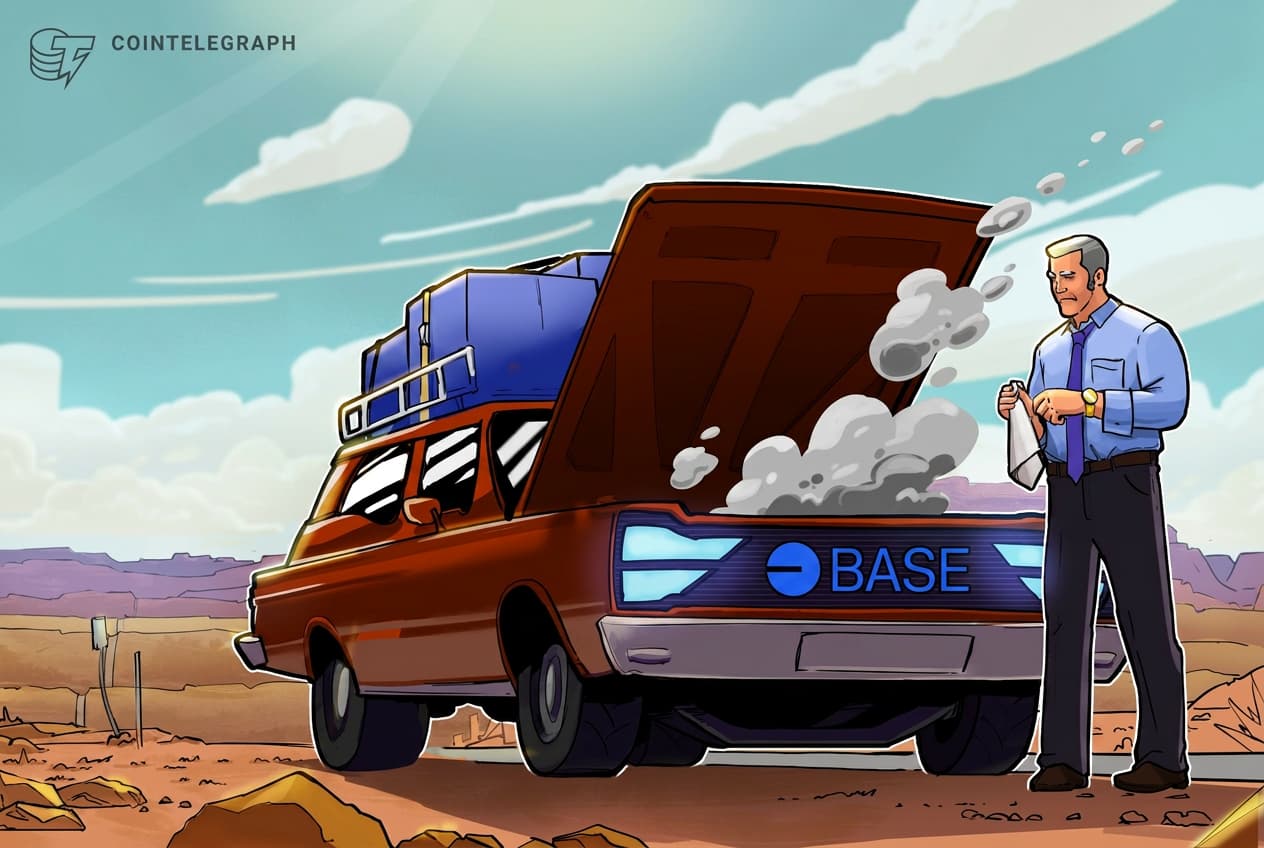
Coinbase's Base blockchain experienced a significant outage Thursday that disrupted block production for approximately two hours before the network restored normal operations.
The incident stemmed from a consensus issue that temporarily halted the layer-2 network's ability to validate and produce new blocks. This type of failure highlights the infrastructure risks embedded in even well-capitalized blockchain projects, and underscores why market participants closely monitor network stability when evaluating crypto exposure.
What Happened
Base, which operates as a layer-2 solution built on Ethereum, went offline when consensus mechanisms failed to function properly. The network couldn't progress through its normal block validation cycle, effectively freezing transactions until engineers diagnosed and resolved the underlying problem. For users and developers relying on Base for DeFi trading, portfolio management, and other blockchain applications, the two-hour window represented dead time—transactions couldn't settle and smart contracts couldn't execute.
We've seen similar incidents across other layer-2 networks and sidechains, but the duration and nature of this particular failure matters. A two-hour outage is substantial enough to impact market-sensitive operations but short enough that most sophisticated traders could work around it using alternative chains or waiting for restoration.
Why This Matters for Your Portfolio
Base has emerged as one of the faster-growing Ethereum layer-2 solutions, capturing meaningful TVL (total value locked) and daily active users. When major infrastructure experiences consensus failures, it raises legitimate questions about operational resilience and engineering robustness. Traders and developers who've allocated capital to Base-native tokens or DeFi protocols need visibility into how frequently these incidents occur.
The good news: Coinbase, as the network's primary operator and validator, has resources to respond quickly to critical issues. The company's institutional backing means technical issues typically get resolved faster than on smaller, more decentralized networks. That said, "it happened once, it can happen again" remains a fundamental principle in crypto investing.
Network Reliability Track Record
This outage represents a rare but not unprecedented incident for Base. Established layer-2 solutions occasionally face consensus problems, especially during periods of network stress or following protocol upgrades. The critical question investors should ask: Is this a one-off anomaly or a symptom of deeper architectural weakness?
Coinbase's engineering team needs to publish a detailed post-mortem explaining the root cause, why monitoring systems didn't catch the problem earlier, and what preventative measures are now in place. Transparency around these incidents directly impacts institutional confidence—and institutional adoption drives layer-2 adoption.
Alpha Take
Base's two-hour outage is a reminder that even blockchain infrastructure backed by major exchanges isn't immune to critical failures. Monitor the network's post-incident communication closely; a thorough root-cause analysis builds confidence, while vague explanations should concern you. For traders and portfolio managers, this reinforces the importance of diversification across multiple layer-2 solutions rather than concentrating all crypto activity on a single chain.
Originally reported by
CoinTelegraph
Not financial advice. Crypto investing involves significant risk. Past performance does not guarantee future results. Always do your own research.