
Beijing Blocks Jack Dorsey's Bitchat: Decentralized Messaging App Removed from Apple's China Store
China has ordered Apple to remove Bitchat, the decentralized peer-to-peer messaging application backed by Jack Dorsey, from its App Store in the country. The move represents another escalation in Beijing's ongoing crackdown on communication tools that operate outside government oversight.
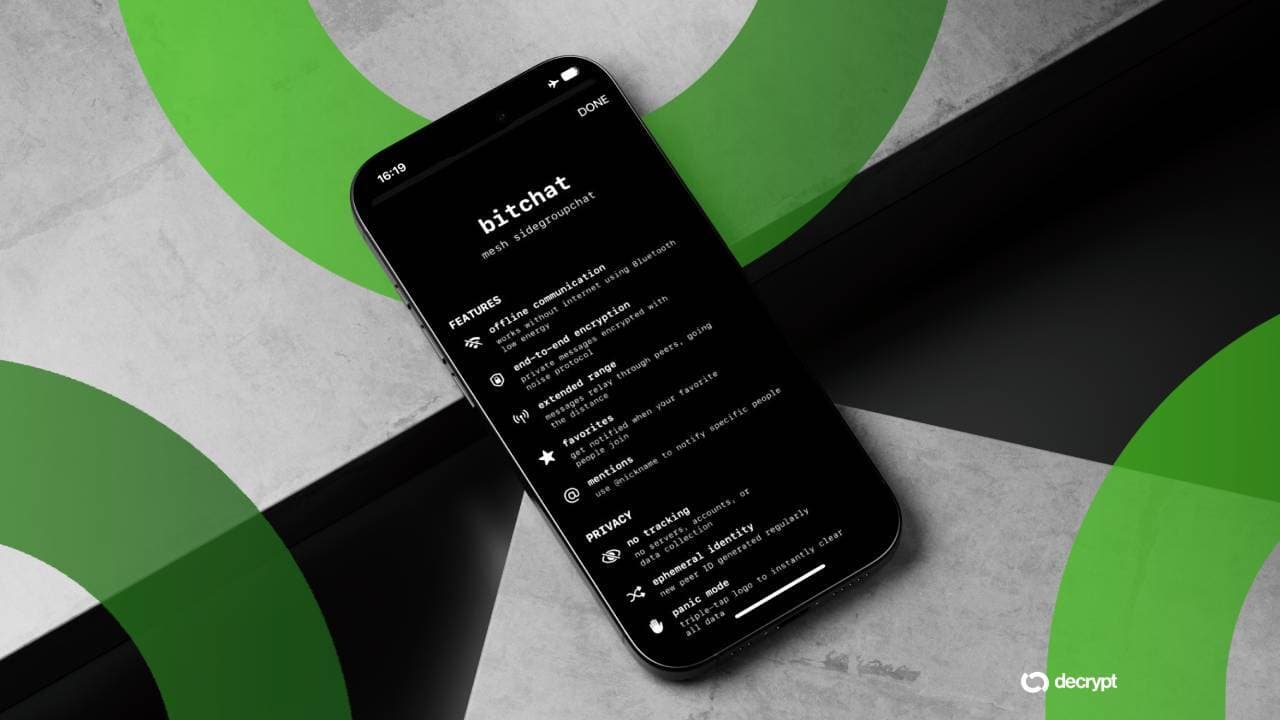
China has ordered Apple to remove Bitchat, the decentralized peer-to-peer messaging application backed by Jack Dorsey, from its App Store in the country. The move represents another escalation in Beijing's ongoing crackdown on communication tools that operate outside government oversight.
Bitchat, designed to function without centralized servers, enables users to communicate directly with one another—a feature that appeals to activists and protesters seeking to evade surveillance. The app has already gained traction among dissidents in multiple countries, becoming an increasingly popular tool for organizing and coordinating grassroots movements.
The removal from China's Apple App Store signals Beijing's determination to restrict access to any communication platform that could potentially circumvent state monitoring. This aligns with China's broader digital control strategy, which has intensified restrictions on foreign apps and services over the past several years.
Global Usage Among Activists
Bitchat's decentralized architecture has made it particularly valuable in countries with restrictive regimes or unstable political environments. Protesters in Nepal have utilized the platform during demonstrations against government policies. In Madagascar, the app gained adoption among opposition groups organizing civic engagement. Iran's protest movements have also embraced Bitchat as a secure alternative to traditional messaging services that authorities can monitor.
The decentralized nature of the platform makes it significantly harder for governments to intercept communications or identify users—a capability that appeals directly to activists operating under surveillance.
Dorsey's Vision Under Pressure
Jack Dorsey, the former Twitter CEO and Square founder, has positioned himself as a crypto advocate and proponent of decentralized technology. Bitchat represents part of his broader vision for empowering individuals through peer-to-peer communication networks that don't rely on corporate or government intermediaries.
However, this decentralized approach puts the platform directly at odds with China's strict regulatory framework. Beijing has systematically targeted any technology that enables unmonitored communication, viewing such tools as potential threats to social stability and government authority.
Broader Crypto Crackdown Context
China's action against Bitchat fits into a larger pattern. The nation has banned cryptocurrency trading, restricted mining operations, and maintained strict controls over blockchain applications. This latest move against a decentralized messaging app demonstrates that Beijing's concerns extend beyond digital assets to any technology challenging its information control infrastructure.
Apple has complied with similar removal requests in the past, demonstrating how even major tech companies navigate regulatory pressure from powerful nations. The company operates in China through a subsidiary, making it vulnerable to regulatory demands and content restrictions imposed by the Chinese government.
What This Means for Decentralized Apps
The removal highlights a critical vulnerability for decentralized application developers: geographic accessibility limitations. While blockchain-based and peer-to-peer platforms operate without traditional corporate headquarters, they still depend on distribution channels like Apple and Google—channels that governments can pressure to restrict access.
For crypto investors and portfolio managers tracking decentralized infrastructure plays, this development underscores the ongoing regulatory headwinds facing peer-to-peer communication technologies and blockchain-based alternatives to centralized services.
Alpha Take
China's Bitchat removal demonstrates that decentralized tech faces real-world friction when governments feel threatened. For traders analyzing this space: regulatory risk remains a core variable in valuing any platform targeting communication or financial services. Watch for similar actions across Asia—this won't be isolated to China.
Originally reported by
Decrypt
Not financial advice. Crypto investing involves significant risk. Past performance does not guarantee future results. Always do your own research.