
Biden's Top Crypto Negotiator Stays Put as CLARITY Act Eyes Senate Vote
Patrick Witt, the White House's lead crypto policy architect, is postponing military training commitments to remain embedded in active negotiations around the CLARITY Act. The move signals serious momentum for what could become landmark crypto legislation.
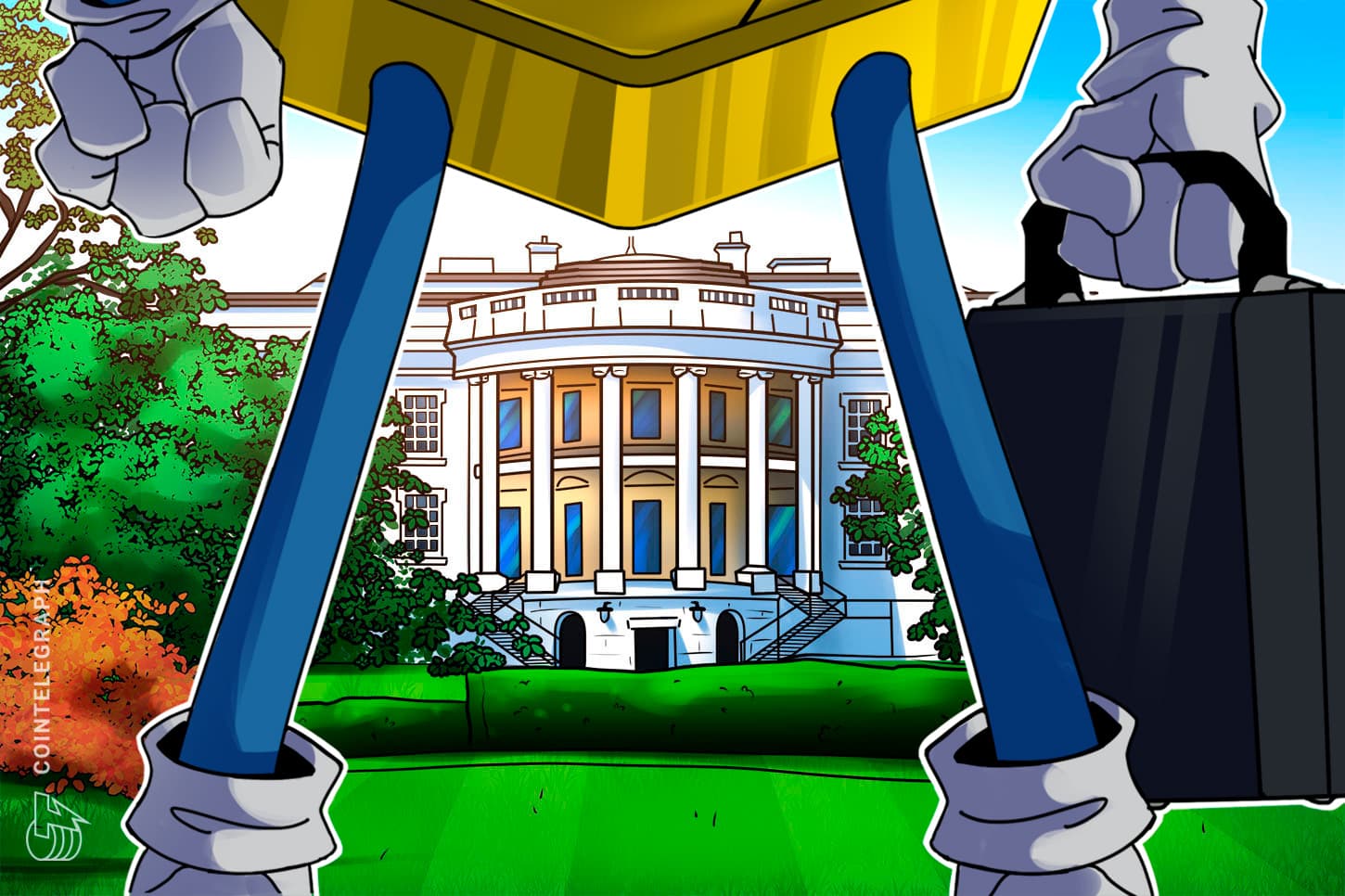
Patrick Witt, the White House's lead crypto policy architect, is postponing military training commitments to remain embedded in active negotiations around the CLARITY Act. The move signals serious momentum for what could become landmark crypto legislation.
This isn't bureaucratic theater—Witt's decision to defer reflects the administration's calculation that these next few weeks are genuinely critical. As we track policy developments at Alpha Factory, we're seeing this as a concrete indicator that stakeholders expect substantive Senate action sooner rather than later.
What CLARITY Actually Does
The CLARITY Act represents the most significant crypto regulatory framework attempt we've seen from a unified legislative push. Rather than piecemeal regulation across multiple agencies, CLARITY consolidates oversight under clearer jurisdictional lines—something the industry has been demanding for years. This centralized approach addresses one of crypto's biggest friction points: regulatory arbitrage and conflicting guidance from the SEC, CFTC, and FinCEN.
Why Witt's Presence Matters
Witt has positioned himself as the rare policy figure who actually understands both the crypto mechanics and the political feasibility. His role bridging the administration with congressional negotiators means his physical presence in these final negotiations isn't symbolic—it's operational. The crypto market has noticed similar policy signals before, and we typically see volatility spikes when negotiations accelerate.
The deferment of military obligations, while seemingly procedural, tells us something important: the White House doesn't expect these talks to resolve in weeks. They're preparing for sustained engagement.
Senate Timeline Implications
With CLARITY heading to the Senate, the legislative window is compressing. Election cycles, competing priorities, and the sheer complexity of crypto regulation mean this could be one of the few genuine opportunities for comprehensive legislation. Our analysis suggests that without movement in the next 60-90 days, momentum likely dissipates until after the cycle shifts.
The trading implications are worth noting here. Legislative clarity historically correlates with institutional capital flowing into crypto assets. If CLARITY gains traction, we should expect to monitor congressional voting patterns and committee assignments as forward indicators.
The Industry Reaction
Crypto stakeholders have been cautiously optimistic about CLARITY's direction. Unlike earlier regulatory proposals that felt designed to constrain the sector, this framework attempts to create guardrails while preserving innovation. That's a meaningful shift in tone from previous Congressional approaches.
What makes this particularly interesting for portfolio strategists is that regulatory clarity—even if prescriptive—tends to unlock institutional adoption. The market has been waiting for this signal, and Witt's continued presence suggests the administration believes the timing is right.
Alpha Take
Witt's deferment is a "show, don't tell" moment. The administration is betting heavily that CLARITY momentum carries through the Senate, and they're willing to commit resources (like keeping their top negotiator fully engaged) to make it happen. For traders and portfolio managers, this is a legislative catalyst worth monitoring closely—regulatory clarity has historically been the inflection point for crypto market structure shifts. Watch committee votes and amendment proposals as they'll signal whether negotiations are tracking toward actual passage or getting bogged down in compromise.
Originally reported by
CoinTelegraph
Not financial advice. Crypto investing involves significant risk. Past performance does not guarantee future results. Always do your own research.