
Bill Gates Proposes Robot Taxation Strategy to Protect Human Employment
Bill Gates is pushing for a bold economic intervention: tax artificial intelligence tokens and robotic systems to create friction around workforce automation, while carving out protected job categories that remain exclusively human-staffed. The Microsoft co-founder's proposal hinges on two mechani
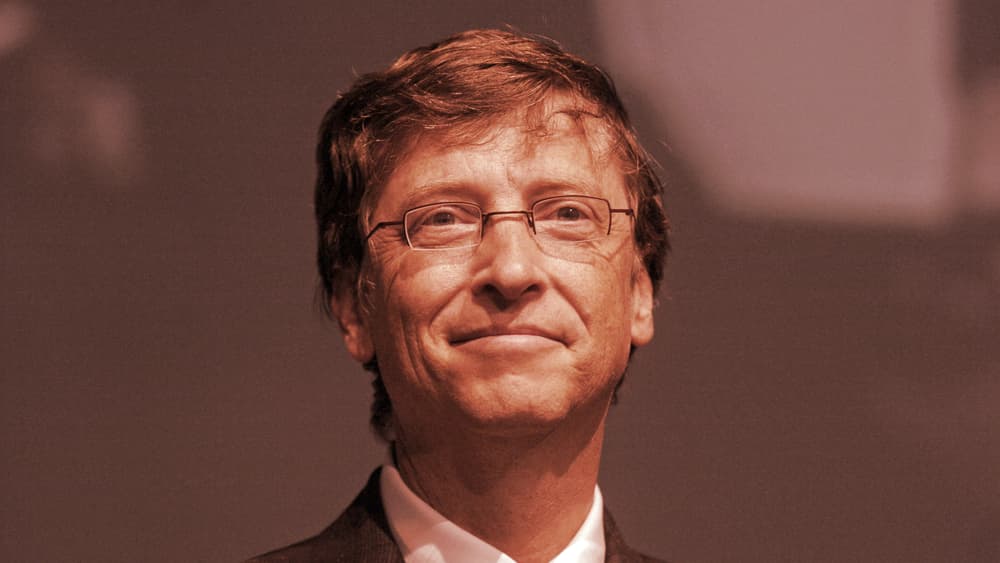
Bill Gates is pushing for a bold economic intervention: tax artificial intelligence tokens and robotic systems to create friction around workforce automation, while carving out protected job categories that remain exclusively human-staffed.
The Microsoft co-founder's proposal hinges on two mechanisms. First, implement taxation on AI tokens and robots themselves—essentially making automation economically painful enough that companies genuinely reconsider replacing workers with machines. Second, establish legally protected job sectors where automation is prohibited outright, guaranteeing certain roles remain reserved for human labor.
The Economic Logic Behind the Tax
Gates's reasoning is straightforward: without financial disincentives, corporations optimize purely for cost reduction and productivity gains. A robot tax would shift that calculation. If automating a position costs more than retaining a human worker—thanks to tax burdens—businesses face actual trade-offs rather than obvious financial wins.
This approach targets the crypto and blockchain intersection directly. AI tokens—digital assets powering autonomous systems—would face taxation on their deployment and usage. Combined with direct robot taxes, the framework attempts to internalize what economists call negative externalities: the societal costs of displacement that corporations don't currently bear.
Human-Reserved Roles: A Backstop Strategy
Beyond taxation, Gates advocates for protected job categories. These "human reserved" positions would legally prohibit automation, creating a floor beneath which human employment cannot fall in critical sectors. Think healthcare workers, educators, emergency responders—roles requiring human judgment, empathy, and accountability that society values inherently.
This dual approach acknowledges a reality that markets alone won't solve: massive technological unemployment without policy intervention. The crypto and AI sectors are advancing faster than labor market adaptation can absorb, creating structural dislocation that retraining programs alone won't fix.
Why This Matters for Crypto and Trading
For portfolio managers and crypto analysis professionals, Gates's proposal signals growing mainstream concern about AI's economic disruption. If implemented, robot taxation could affect valuations of automation-focused companies and AI-powered blockchain projects. Tokens powering autonomous systems specifically could face regulatory headwinds.
The proposal also suggests Gates sees AI tokens as distinct enough to warrant targeted taxation—implicitly acknowledging blockchain's role in decentralized AI infrastructure. For traders tracking regulatory risk, this is a significant signal from one of history's most influential technologists.
The Political Reality
Whether Gates's proposal gains traction remains uncertain. Implementation challenges are substantial: defining what qualifies as a "robot," setting appropriate tax rates, determining which jobs qualify as human-reserved. Different countries would likely adopt divergent approaches, creating competitive pressures.
Yet the debate itself matters. When figures of Gates's influence publicly champion worker protection measures against AI, it shifts the Overton window. Policymakers worldwide are watching how automation and crypto intersect with employment.
Alpha Take
Gates's robot taxation framework targets a genuine market failure—corporations don't currently bear the social costs of mass displacement. For crypto traders, this highlights emerging regulatory risk around AI tokens specifically. Watch for how major economies respond over the next 18-24 months; if even one major jurisdiction implements robot taxation, it could reshape valuations across automation-focused blockchain projects. The intersection of crypto, AI, and labor policy is becoming a critical trading variable.
Originally reported by
Decrypt
Not financial advice. Crypto investing involves significant risk. Past performance does not guarantee future results. Always do your own research.