
Binance Broadens Wealth Management Arsenal With 11 US-Listed Bond ETFs
Binance is doubling down on institutional crypto appeal by integrating 11 US-listed exchange-traded funds into its wealth management suite. The move brings Treasury and investment-grade bond exposure directly to the platform's ecosystem, signaling the exchange's broader push into traditional financ
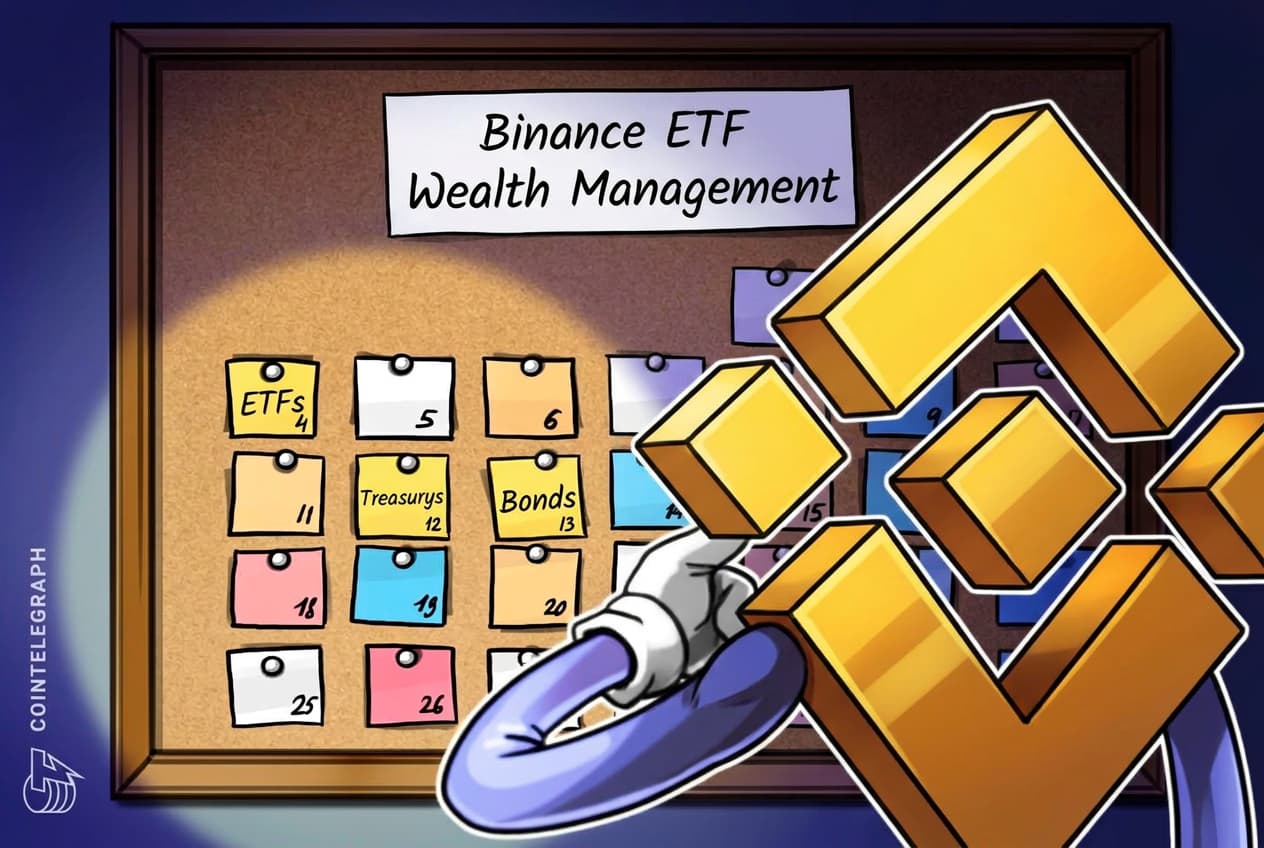
Binance is doubling down on institutional crypto appeal by integrating 11 US-listed exchange-traded funds into its wealth management suite. The move brings Treasury and investment-grade bond exposure directly to the platform's ecosystem, signaling the exchange's broader push into traditional finance infrastructure.
The new ETF offerings focus exclusively on fixed-income instruments—US Treasury bonds and investment-grade corporate debt. This positioning matters. It's not flashy crypto speculation; it's about giving institutional clients and sophisticated traders a one-stop shop for diversified portfolio allocation without leaving Binance's ecosystem.
Why This Matters for Institutional Adoption
The addition reflects a strategic shift in how major crypto exchanges operate. We're watching the lines blur between pure crypto trading platforms and full-service wealth management hubs. By offering traditional bond ETFs alongside crypto assets, Binance reduces friction for institutional players managing multi-asset portfolios. No need to toggle between accounts or navigate multiple platforms—bonds and bitcoin coexist on the same dashboard.
This is particularly relevant given current macro conditions. With elevated interest rates making Treasurys and investment-grade bonds attractive again, institutional capital often needs yield-generating fixed income alongside crypto allocations. Binance is making that integration seamless.
The Competitive Landscape
Other exchanges haven't been idle. The crypto exchange industry continues racing to capture institutional wealth management AUM (assets under management). Offering traditional finance products isn't just a nice-to-have anymore—it's table stakes for platforms serious about servicing high-net-worth individuals and institutions.
The Treasury and bond ETF space itself is massive. US Treasury holdings alone represent trillions in global assets, and investment-grade corporate bonds remain the backbone of conservative portfolio construction. By plugging into this market through Binance's wealth management offering, the exchange gains exposure to a totally different investor class: institutional allocators and corporate treasury departments that might otherwise ignore crypto platforms entirely.
Technical Integration and Product Strategy
The 11 ETFs represent a curated selection rather than their entire bond fund universe. This focused approach suggests Binance is being intentional about liquidity and ease of integration rather than throwing everything at the wall. Quality over quantity matters when institutional capital is evaluating platforms.
From a trading perspective, offering these products inside Binance's ecosystem creates natural cross-sell opportunities. An investor managing Treasury exposure might more easily explore bitcoin or ethereum holdings when everything lives in one interface. Conversely, crypto traders looking to lock in gains or reduce portfolio volatility can park capital in bonds without abandonment.
Alpha Take
Binance's ETF expansion isn't revolutionary, but it's pragmatic crypto market positioning. The exchange is essentially acknowledging that institutional wealth management demands diversification across asset classes, not just crypto. By embedding traditional finance products into its platform, Binance removes a major friction point for institutions seeking crypto exposure while maintaining balanced portfolio construction. Watch whether other major exchanges accelerate similar integrations—this could become standard infrastructure in institutional crypto trading within 12 months.
Originally reported by
CoinTelegraph
Not financial advice. Crypto investing involves significant risk. Past performance does not guarantee future results. Always do your own research.