
Binance Enters Traditional Finance Turf With Massive Equity Options Rollout
Binance is making a calculated move into traditional finance with the launch of physically settled options covering more than 1,000 US stocks and ETFs. The expansion lets eligible non-US users trade equities options directly through their Binance accounts—a strategic play that blurs the lines betwe
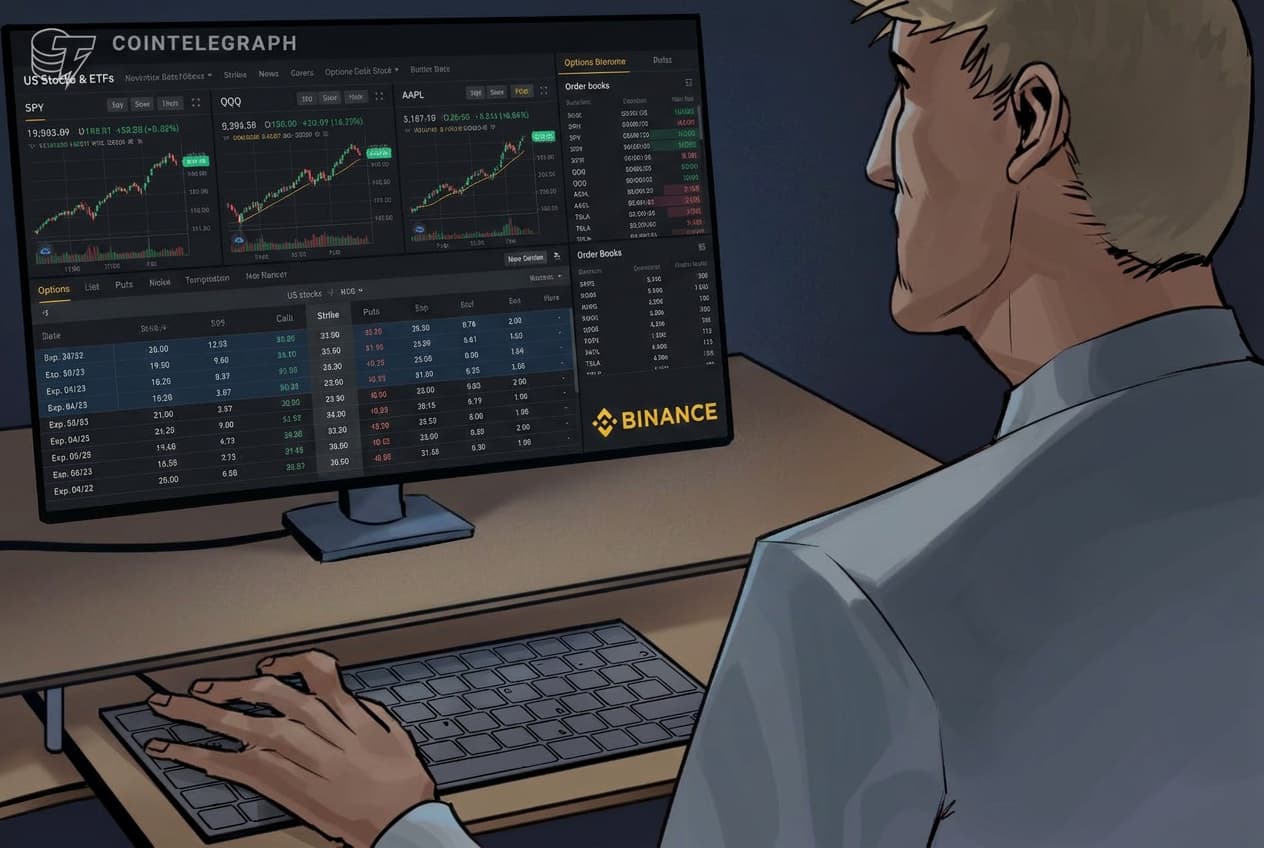
Binance is making a calculated move into traditional finance with the launch of physically settled options covering more than 1,000 US stocks and ETFs. The expansion lets eligible non-US users trade equities options directly through their Binance accounts—a strategic play that blurs the lines between crypto and TradFi.
The Setup: Single Account, Multiple Asset Classes
Here's what matters: users outside the US can now access physical settlement options across 1,000+ American stocks and exchange-traded funds without juggling separate accounts or platforms. That's the integration game in action. Instead of bouncing between a crypto exchange and a brokerage, traders can consolidate positions under one roof.
This isn't Binance's first swing at traditional assets. The exchange has been methodically building out crypto infrastructure while simultaneously expanding into conventional markets. The options launch represents their most aggressive move yet into equity derivatives—a space traditionally dominated by TD Ameritrade, Interactive Brokers, and other legacy brokerages.
Why This Matters for Crypto Traders
The significance here runs deeper than just convenience. By offering physical settlement (actual share delivery rather than cash settlement), Binance is positioning itself as a legitimate player in regulated equity markets. This move signals confidence in their ability to handle T+2 settlement cycles and manage custody of physical securities—capabilities that establish credibility beyond crypto circles.
For portfolio managers running multi-asset strategies, this is fuel. You can now layer equity options hedges or speculative plays alongside your bitcoin and ethereum positions without leaving the Binance ecosystem. The reduction in friction and counterparty risk across different platforms matters when you're managing real capital.
The Regulatory Angle
Non-US restriction is the telling detail here. Binance learned from regulatory pressure around securities trading in the US market. By limiting access to non-US users, they're avoiding direct conflicts with SEC rules and state-level regulations. It's a chess move—build the infrastructure, prove the model works internationally, then potentially expand when the regulatory environment shifts.
This approach mirrors how other crypto platforms have handled compliance: test the concept abroad, establish precedent, negotiate from a position of strength back home.
Market Positioning
The broader context matters. Traditional finance is moving toward decentralization, blockchain infrastructure, and hybrid models. Simultaneously, crypto platforms are maturing into multi-asset exchanges. Binance occupies the middle ground—they're betting that traders want seamless access to crypto and traditional markets without regulatory friction or platform switching costs.
The 1,000+ stock and ETF universe gives users serious coverage too. You're not looking at a token list here; this is deep market penetration across large-cap, mid-cap, and smaller equity positions.
Alpha Take
Binance's equity options launch signals where institutional-grade crypto platforms are heading: full-spectrum asset access for global traders. The physical settlement mechanism and non-US positioning show they're building sustainable infrastructure rather than chasing quick regulatory wins. Watch whether this expands to US users eventually—that'll be the real test of whether crypto exchanges can genuinely compete in traditional equities derivatives.
Originally reported by
CoinTelegraph
Not financial advice. Crypto investing involves significant risk. Past performance does not guarantee future results. Always do your own research.