
Binance's Philippine Comeback: Sandbox Loophole Opens Door for Local Traders
Binance might have found a workaround to resume operations in the Philippines without jumping through the full regulatory hoops. According to blockchain infrastructure firm BlockShoals, the exchange can operate under an SEC sandbox framework that allows trading access without requiring a formal Vir
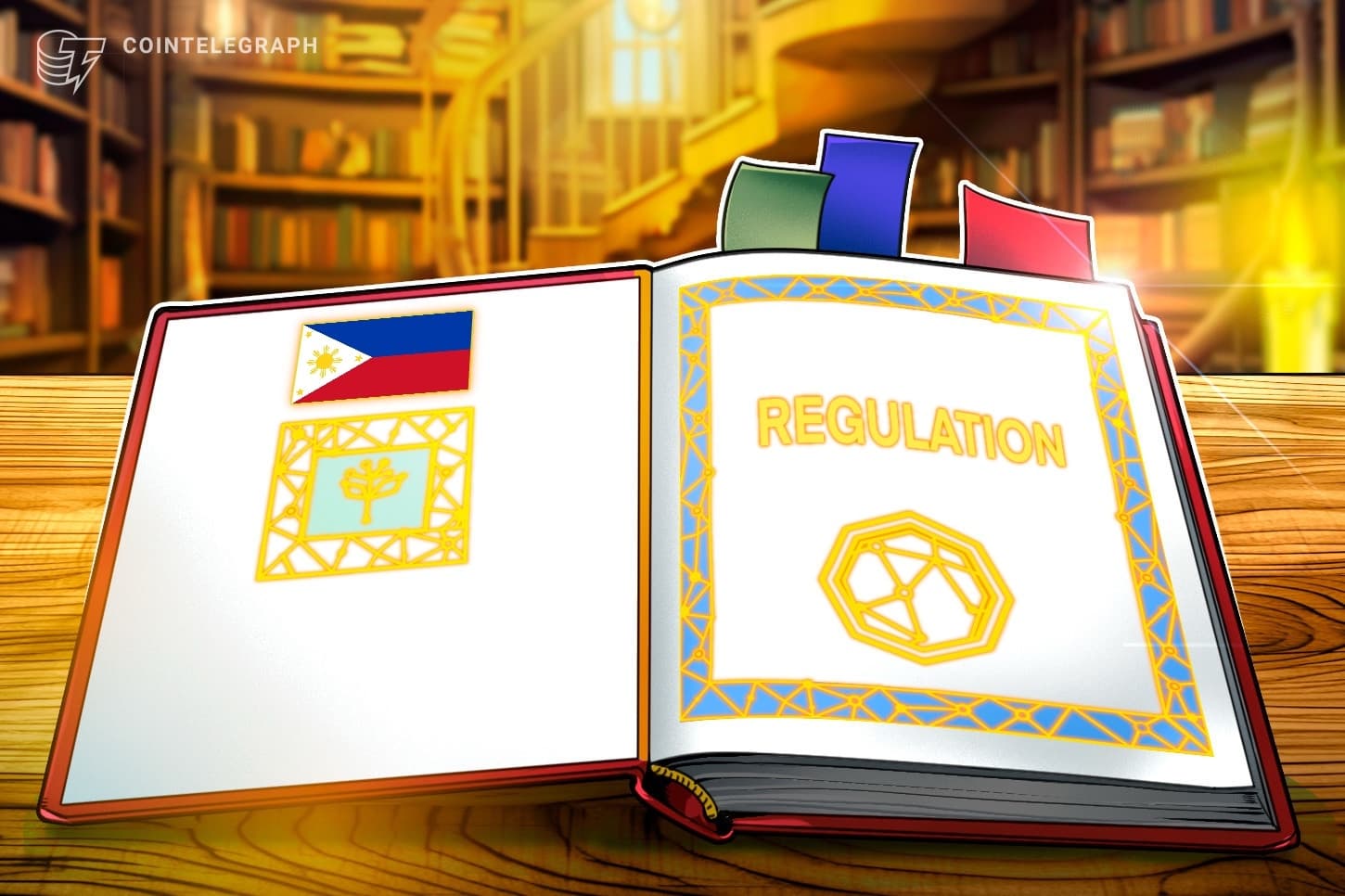
Binance might have found a workaround to resume operations in the Philippines without jumping through the full regulatory hoops. According to blockchain infrastructure firm BlockShoals, the exchange can operate under an SEC sandbox framework that allows trading access without requiring a formal Virtual Asset Service Provider (VASP) license locally.
Here's what's actually happening: The Philippines' Securities and Exchange Commission established a regulatory sandbox that creates a controlled environment for crypto platforms to test services. BlockShoals argues this framework provides Binance the legal cover to serve Philippine traders while bypassing the traditional licensing requirements that have historically blocked international exchanges from operating in the country.
The Regulatory Gray Area
This approach sits in an interesting middle ground. Rather than pursuing a full VASP license—which involves extensive compliance infrastructure, local partnerships, and regulatory scrutiny—Binance could operate as a testing participant within the SEC's sandbox. BlockShoals' interpretation suggests this arrangement grants legitimate market access for Philippine users without making the exchange a formally licensed entity in the jurisdiction.
The sandbox framework isn't new to crypto regulation, but its application to major exchanges like Binance is relatively novel. Other jurisdictions have used similar structures to allow platforms to operate while maintaining regulatory oversight. The Philippines' version appears to offer enough flexibility that global exchanges could potentially leverage it for market entry.
What This Means for Philippine Crypto Traders
For the local trading community, this development is significant. Binance's absence has created friction for Filipino crypto investors who've had to use VPNs or alternative platforms to access the world's largest crypto exchange. A legitimate return would restore direct access to Binance's liquidity, trading pairs, and market intelligence tools—crucial for serious traders managing crypto portfolios.
The framework also gives traders more confidence in compliance. Operating under SEC oversight, even within a sandbox structure, provides more regulatory clarity than the grey-market alternatives many Filipinos have been forced to use. It's not full licensing, but it's closer to legitimate than the previous situation.
The Bigger Picture
BlockShoals' interpretation could set precedent for how other major exchanges approach restrictive markets. If Binance successfully operates under the Philippine SEC sandbox without major regulatory incidents, it demonstrates a replicable model for crypto market access in jurisdictions with evolving regulatory frameworks. This matters beyond the Philippines—it's a template for how global exchanges might navigate regulatory barriers in emerging markets.
That said, regulatory interpretations can shift. The SEC could tighten the sandbox rules, or clarify that major exchange operations don't qualify for the framework. BlockShoals' legal analysis is credible, but it's not an official regulatory green light from the SEC itself.
Alpha Take
We're watching this as a potential blueprint for exchange market expansion in restrictive jurisdictions. If Binance successfully operates under the Philippine sandbox without regulatory pushback, expect other major platforms to explore similar sandbox arrangements globally. For Philippine traders, this could restore access to premium liquidity and market intelligence tools, but monitor any clarifying statements from the SEC that could change the regulatory calculus.
Originally reported by
CoinTelegraph
Not financial advice. Crypto investing involves significant risk. Past performance does not guarantee future results. Always do your own research.