
Bitcoin Fork Experiment Fizzles: BIP-110 Branch Dies After Two Blocks
A proposed Bitcoin branch based on BIP-110 has stalled almost immediately, grinding to a halt after just two blocks as the gap between ambition and reality becomes stark. The fork, which attempted to enforce mandatory signaling for protocol changes, remains trapped at Bitcoin's full mining difficu
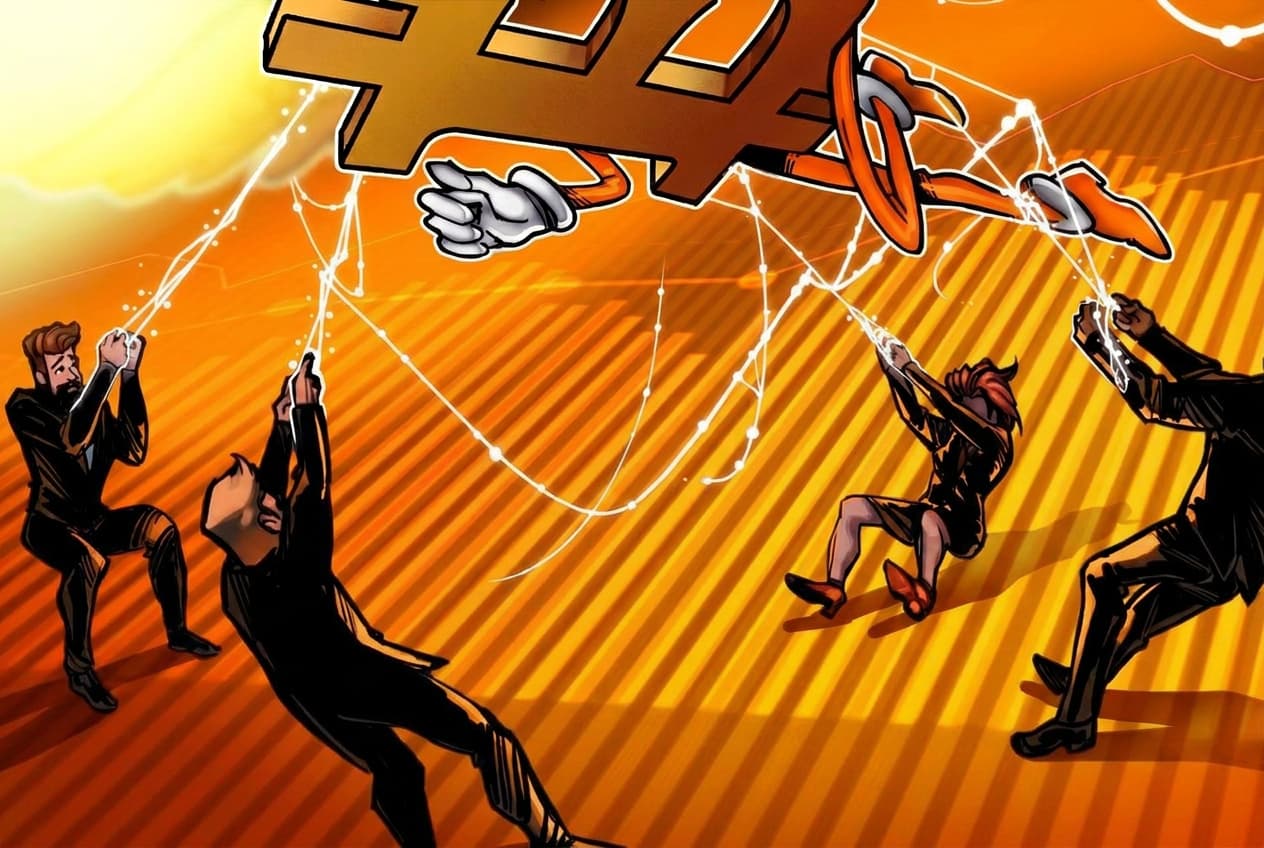
A proposed Bitcoin branch based on BIP-110 has stalled almost immediately, grinding to a halt after just two blocks as the gap between ambition and reality becomes stark.
The fork, which attempted to enforce mandatory signaling for protocol changes, remains trapped at Bitcoin's full mining difficulty. This is the critical issue: without sufficient hashpower redirected to the chain, blocks can't be mined at a reasonable pace. The result? A dead-on-arrival fork that underscores how difficult it is to spin up an alternative Bitcoin implementation, even with strong theoretical backing.
The Mandatory Signaling Problem
BIP-110's core mechanic was straightforward—enforce mandatory signaling for future Bitcoin upgrades. In theory, this creates stronger consensus mechanisms and prevents contentious forks down the road. The technical framework looked sound on paper.
But here's where we see the reality of crypto: theory meets market mechanics, and market mechanics wins.
The fork required miners to actively redirect computational power away from Bitcoin's main chain. That's asking miners to sacrifice real revenue in the present for a theoretical benefit in the future. Unsurprisingly, few took that bet. The hashpower didn't materialize, and without it, the fork became a ghost chain.
Why This Matters for Crypto Analysis
This isn't just technical failure—it's a data point about how Bitcoin's network effects create an almost unbreakable barrier to entry for forks. We're talking about one of the most well-resourced, well-researched protocol improvement proposals struggling to gain traction.
For traders and portfolio managers, the BIP-110 stall reinforces a fundamental reality: Bitcoin's governance, while often debated, has proven resilient through conservative consensus-building. Radical departures from the main chain struggle because miners follow economic incentives, not ideology.
The fork's failure also highlights the difference between technical merit and market adoption. A proposal can be sound engineering but still fail if it doesn't align with miner economics or user demand. In Bitcoin's case, the existing protocol and its proven security model remain the path of least resistance.
What We're Watching
As this fork demonstrates, meaningful changes to Bitcoin require either massive hashpower coordination (difficult to organize) or genuine consensus among stakeholders. BIP-110's mandatory signaling approach, while designed to prevent future fork wars, couldn't overcome the coordination problem itself—an ironic outcome for a proposal aimed at strengthening consensus mechanisms.
For crypto investors tracking governance proposals and protocol changes across the space, this serves as a useful reality check. Ambitious forks require more than clever incentive design; they need actual network participation and economic alignment. When they don't have it, you get two blocks and nothing else.
The broader crypto market should pay attention: most protocol improvements succeed through incremental upgrades to existing chains, not competing forks. Bitcoin's staying power comes partly from this friction—it makes change harder, but it also makes the network more stable.
Alpha Take
The BIP-110 fork failure isn't a technical critique—it's a market mechanics lesson. Bitcoin's network effects create winner-take-most dynamics that make competitive forks nearly impossible without extraordinary hashpower coordination. For portfolio managers, this reinforces that protocol governance battles rarely produce viable competing assets; instead, watch for consensus-based upgrades to dominant chains as the real growth vector.
Originally reported by
CoinTelegraph
Not financial advice. Crypto investing involves significant risk. Past performance does not guarantee future results. Always do your own research.