
Bitcoin Miners Hit Breaking Point: Fee Revenue Crashes to Decade Low as Pivot to AI Accelerates
Bitcoin miners are facing a genuine profitability crisis. Transaction fees now represent just 0.
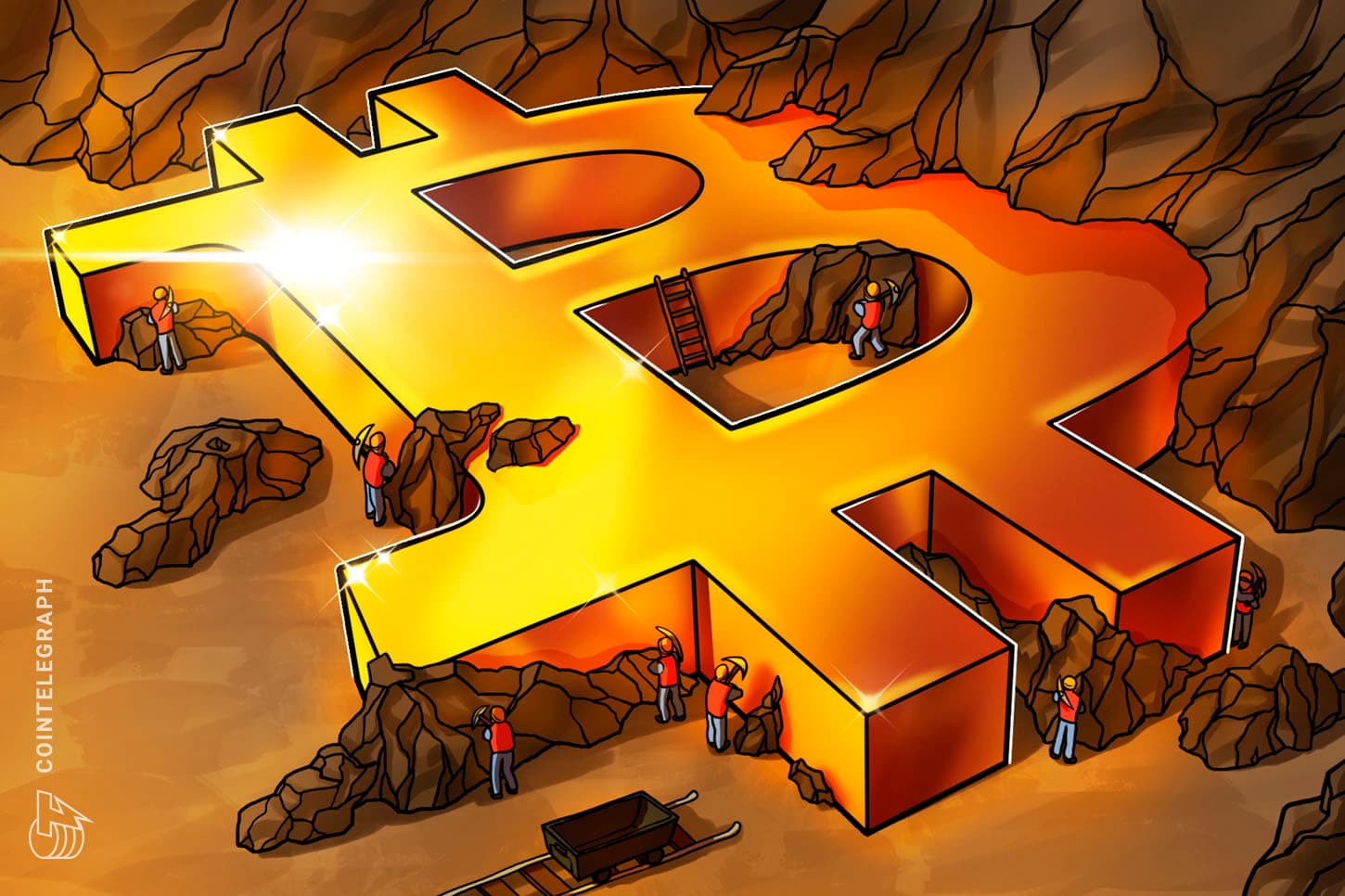
Bitcoin miners are facing a genuine profitability crisis. Transaction fees now represent just 0.52% of total mining revenue—a 10-year low that's forcing the industry to explore alternative income streams, particularly AI compute services.
The Fee Revenue Collapse
Let's be direct: this is a warning signal. When miners earn less than 0.7% of their revenue from transaction fees, you're looking at structural stress in Bitcoin's economics. The blockchain's security model assumes miners will remain economically incentivized to secure the network. Right now, they're almost entirely dependent on block rewards—and those diminish by half every four years.
The 0.52% figure represents a barely perceptible recovery from the lows we've seen, but the trend is unmistakable. This isn't a temporary dip; it reflects a fundamental shift in how Bitcoin's fee market operates. Users increasingly prefer layer-2 solutions and off-chain transactions to avoid high on-chain costs, which directly reduces the fee pool miners can tap into.
Why Miners Are Pivoting to AI
This context makes the AI infrastructure pivot less of a curiosity and more of a survival necessity. Major mining operations are retrofitting facilities to offer GPU compute capacity for artificial intelligence applications. It's not ideological—it's arithmetic.
Mining rigs sitting idle between block rewards don't generate revenue. Repurposing that hardware infrastructure for AI workloads creates a secondary income stream when mining operations slow or become unprofitable. For large-scale operators with significant capital invested in electricity contracts and facilities, this diversification makes practical sense.
The Bigger Picture for Bitcoin's Security Model
Here's what analysts should be watching: Bitcoin's security ultimately depends on miners remaining adequately compensated. The current fee environment suggests we're at an inflection point. In the short term, miners can adapt. Long-term? If transaction fees don't recover materially, the network's economic incentives become questionable.
This doesn't mean Bitcoin breaks tomorrow. Block rewards still represent substantial income. But the trajectory matters. Every halving reduces block reward income further, making fee revenue increasingly critical to miner economics. At 0.52% of revenue, fees aren't close to carrying that load.
Alpha Take
The bitcoin mining fee crisis isn't priced into most portfolios yet. Miners diversifying into AI compute isn't bullish for Bitcoin specifically—it's a hedge against declining mining profitability. Watch whether major mining stocks begin emphasizing their non-mining revenue streams in earnings calls; that's your tell that the fee squeeze is becoming existential. For crypto analysis purposes, this reinforces why layer-2 adoption matters for Bitcoin's long-term security model, and why we need to monitor miner capitulation signals closely in your portfolio management strategy.
Originally reported by
CoinTelegraph
Not financial advice. Crypto investing involves significant risk. Past performance does not guarantee future results. Always do your own research.