
Bitcoin's Data Storage Debate: BIP-110 Reignites the Network's Oldest Fault Line
A technical proposal to limit non-financial data storage on Bitcoin is fracturing the developer community, miners, and industry stakeholders as a critical activation window approaches. The disagreement resurrects fundamental questions about blockchain purpose that haven't been this contentious sinc
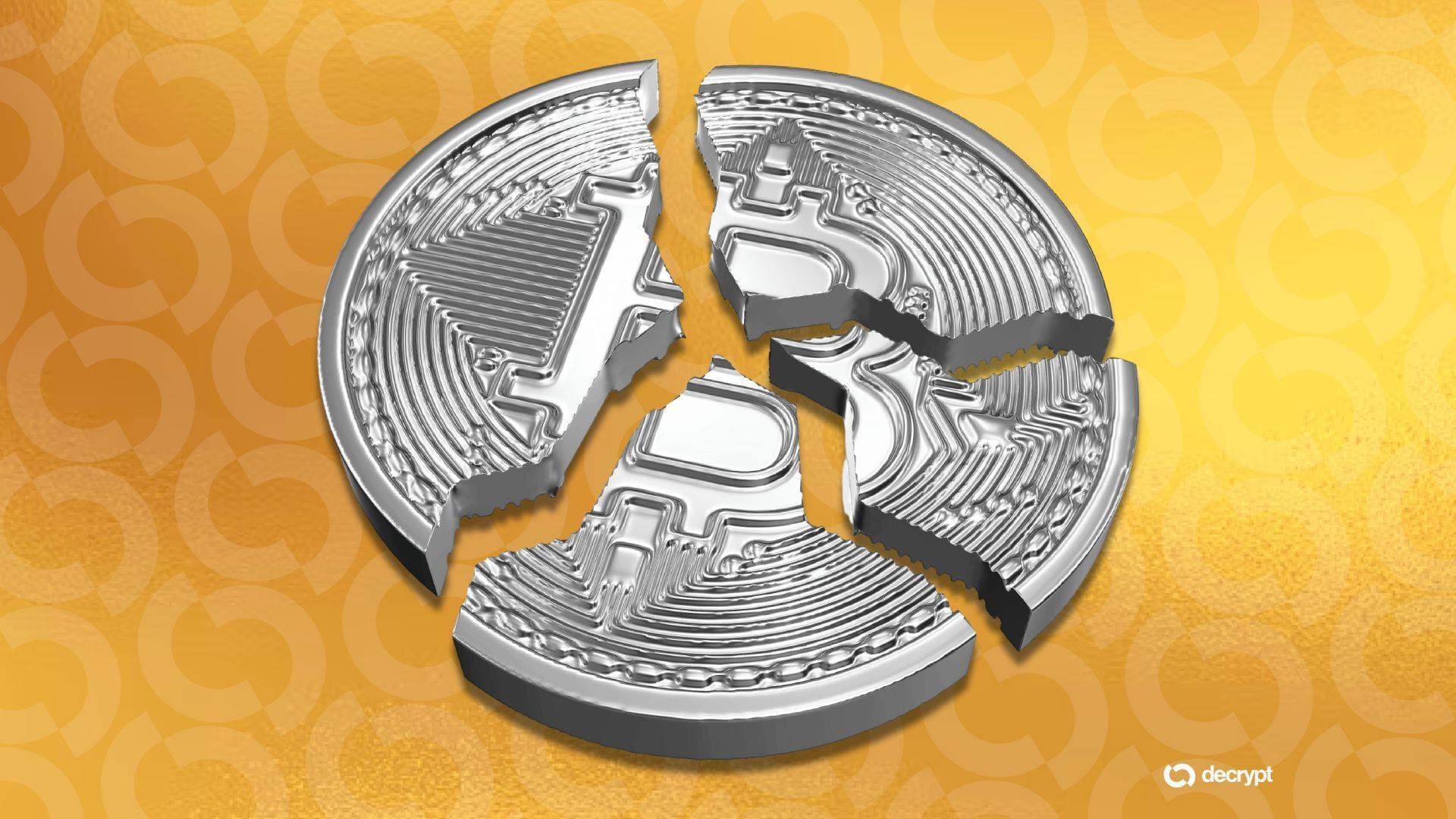
A technical proposal to limit non-financial data storage on Bitcoin is fracturing the developer community, miners, and industry stakeholders as a critical activation window approaches. The disagreement resurrects fundamental questions about blockchain purpose that haven't been this contentious since the infamous Blocksize Wars nearly a decade ago.
The Core Conflict
BIP-110 proposes restricting how much non-financial data can be embedded directly into Bitcoin's ledger. Proponents argue that bloat from NFTs, social media posts, and other metadata is unnecessarily inflating node storage requirements and slowing network synchronization. Critics counter that limiting data flexibility violates Bitcoin's permissionless ethos and could push legitimate use cases onto less secure sidechains or alternative networks.
This isn't merely technical nitpicking—it cuts to the philosophical heart of what Bitcoin should become.
Where the Camps Divide
The divide cuts across traditional alliance lines in crypto. Some prominent Bitcoin developers support BIP-110, citing network efficiency and node decentralization concerns. They argue that Bitcoin should prioritize its core function as a financial settlement layer rather than compete with blockchains designed for data storage.
Meanwhile, other core contributors and mining operations oppose the restrictions, viewing them as overreach that could stifle innovation. They point out that Bitcoin's immutability makes it valuable precisely because it can anchor diverse data types. Removing that capability, they warn, weakens the network's long-term value proposition.
Industry leaders are equally split. Some major exchanges and institutional players back the efficiency argument, fearing that unchecked blockchain bloat could reduce Bitcoin's institutional appeal. Others in the creator and developer communities see BIP-110 as unnecessarily limiting Bitcoin's technical potential.
Timing Pressure
The proposal has an activation deadline that's concentrating minds rapidly. Bitcoin's governance model requires broad consensus before protocol changes activate, and BIP-110 hasn't achieved it. The timeframe is forcing stakeholders to take public positions and mount advocacy campaigns—a dynamic that tends to harden positions rather than build bridges.
This mirrors the Blocksize Wars dynamic precisely: a proposal touching on fundamental network principles, community fragmentation, public debate becoming increasingly heated, and urgency imposed by technical deadlines.
The Real Stakes
Beyond the immediate governance question, BIP-110 represents a broader battle over Bitcoin's identity. Is it primarily a censorship-resistant store of value and payments system? Or is it a foundational public ledger that should support multiple use cases?
That philosophical difference has real consequences for mining economics, development priorities, exchange listing decisions, and regulatory treatment. A Bitcoin optimized for financial transactions only might attract institutional capital but alienate developers and creators currently building on-chain applications.
Alpha Take
BIP-110 exposes Bitcoin's unresolved tension between purity and utility—and the community remains deeply fractured on which should win. We're watching whether Bitcoin can debate protocol changes without recreating Blocksize Wars dysfunction; the answer matters for network governance and investor confidence in crypto's largest blockchain. Traders should monitor this closely: protocol divisions historically create volatility, and clarity on BIP-110's fate will influence Bitcoin's medium-term narrative and market positioning.
Originally reported by
Decrypt
Not financial advice. Crypto investing involves significant risk. Past performance does not guarantee future results. Always do your own research.