
Bitcoin's Four-Year Cycle Holds: 21Shares Says History Isn't Ready to Repeat Yet
Bitcoin's dip below $60,000 has traders eyeing the historical patterns that have defined the crypto's behavior for over a decade. 21Shares, the digital asset platform, is sticking to its analysis that the flagship cryptocurrency hasn't yet shattered its notorious four-year cycle—the predictable boo
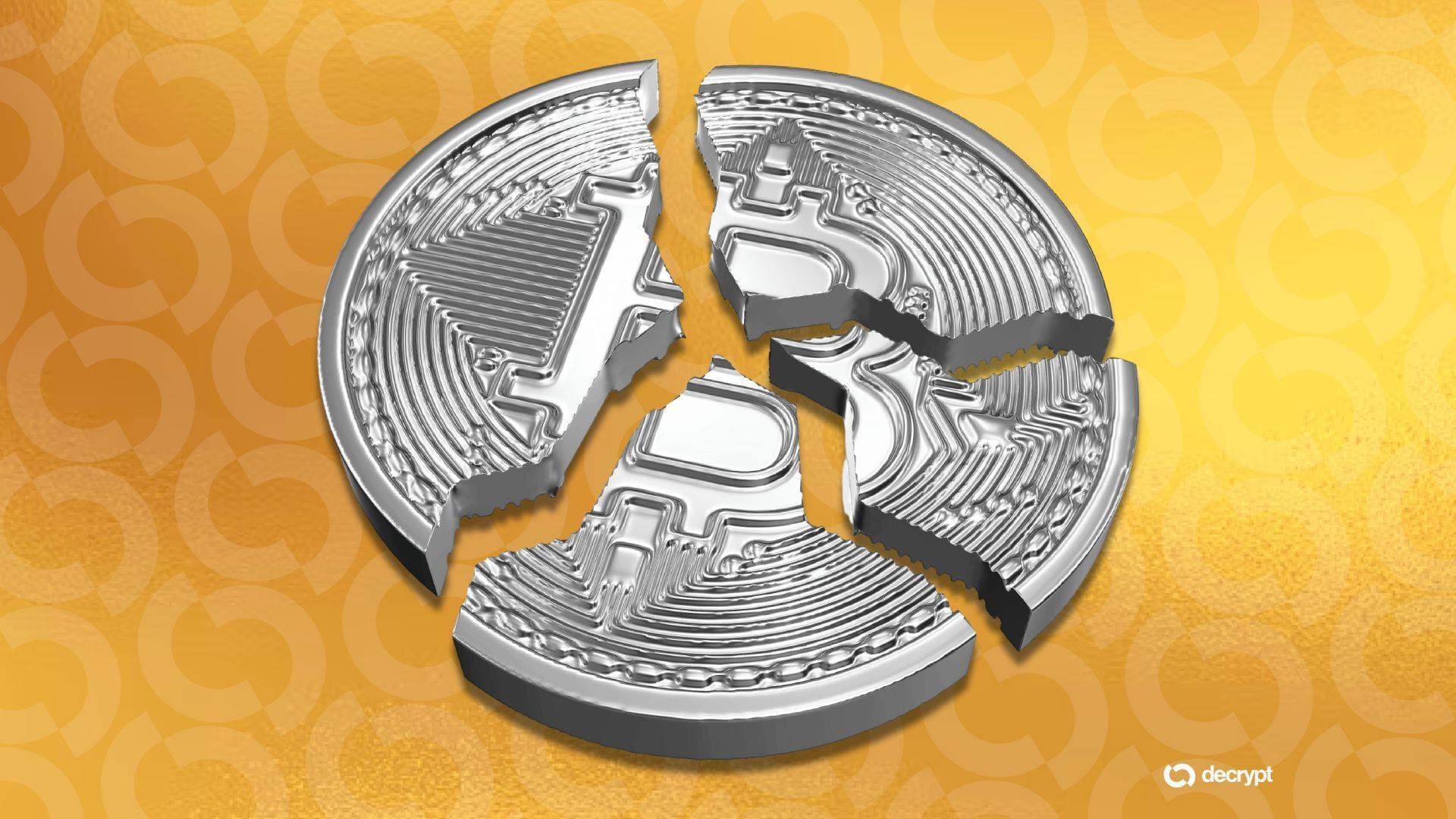
Bitcoin's dip below $60,000 has traders eyeing the historical patterns that have defined the crypto's behavior for over a decade. 21Shares, the digital asset platform, is sticking to its analysis that the flagship cryptocurrency hasn't yet shattered its notorious four-year cycle—the predictable boom-and-bust rhythm that's shaped Bitcoin's trajectory since inception.
The Cycle That Refuses to Break
Here's what we're watching: Bitcoin has historically operated on a four-year cycle tied to its halving events, where mining rewards drop by half. These halvings—occurring roughly every four years—have historically triggered price expansions followed by corrections. Previous cycles have shown traders a playbook they could almost set their watches to. But as Bitcoin tumbled through the $60,000 level, the question everyone's asking is whether this time is finally different.
21Shares' take? Not yet. The prediction that Bitcoin breaks this pattern "hasn't come true," according to the platform's analysis. This matters because if the four-year cycle persists, it gives traders and portfolio managers a framework for positioning—even if that framework requires patience through volatility.
Why This Matters for Crypto Analysis
The four-year cycle isn't just academic nostalgia. Institutional investors and retail traders alike have built crypto trading strategies around this rhythm. Halvings have reliably preceded bull markets, though timing has become increasingly difficult to pin down. The current Bitcoin pullback is testing whether we're in a temporary correction within the cycle or witnessing something fundamentally different.
When Bitcoin pierces major support levels like $60,000, it typically forces a reassessment of market structure. Our market intelligence shows these moments reveal conviction—or lack thereof—among key holders. The fact that Bitcoin found buyers at this level matters for the cycle hypothesis. If the historical pattern held, this would be consistent with where we'd expect accumulation before the next leg upward.
The Bigger Picture for Your Portfolio
This debate between "cycle intact" versus "cycle broken" isn't semantic. It shapes how you should think about Bitcoin's role in your crypto allocation. If 21Shares is correct and the four-year pattern persists, then dips toward $60,000 represent buying opportunities within a larger bull framework. Conversely, if the cycle truly breaks, Bitcoin's behavior becomes less predictable—potentially dangerous for traditional trading models.
The reality: most legacy crypto cycles have held because they're partly self-fulfilling. Enough traders believe in the pattern that their collective behavior helps perpetuate it. That psychology can shift quickly, especially as institutional adoption matures and spot Bitcoin ETFs change how capital flows into the asset.
Alpha Take
We're watching whether $60,000 holds as support or breaks decisively—this level is critical for the cycle thesis. If Bitcoin rebounds from here, the four-year pattern stays credible for portfolio positioning. For now, 21Shares' assertion that the cycle hasn't broken yet gives traders a working hypothesis, but the $58,000–$62,000 range is where conviction gets tested. Don't assume history rhymes forever; watch the volume and institutional flows at these support levels.
Originally reported by
Decrypt
Not financial advice. Crypto investing involves significant risk. Past performance does not guarantee future results. Always do your own research.