
Bitcoin's Geopolitical Lifeline: Why the US-Iran Deal Matters More Than You Think
The crypto market's fragile recovery is hanging on something most traders wouldn't expect: international diplomacy. According to LVRG Research director Nick Ruck, Bitcoin faces a "volatile path" if the recently agreed peace accord between the US and Iran deteriorates—a stark reminder that crypto is
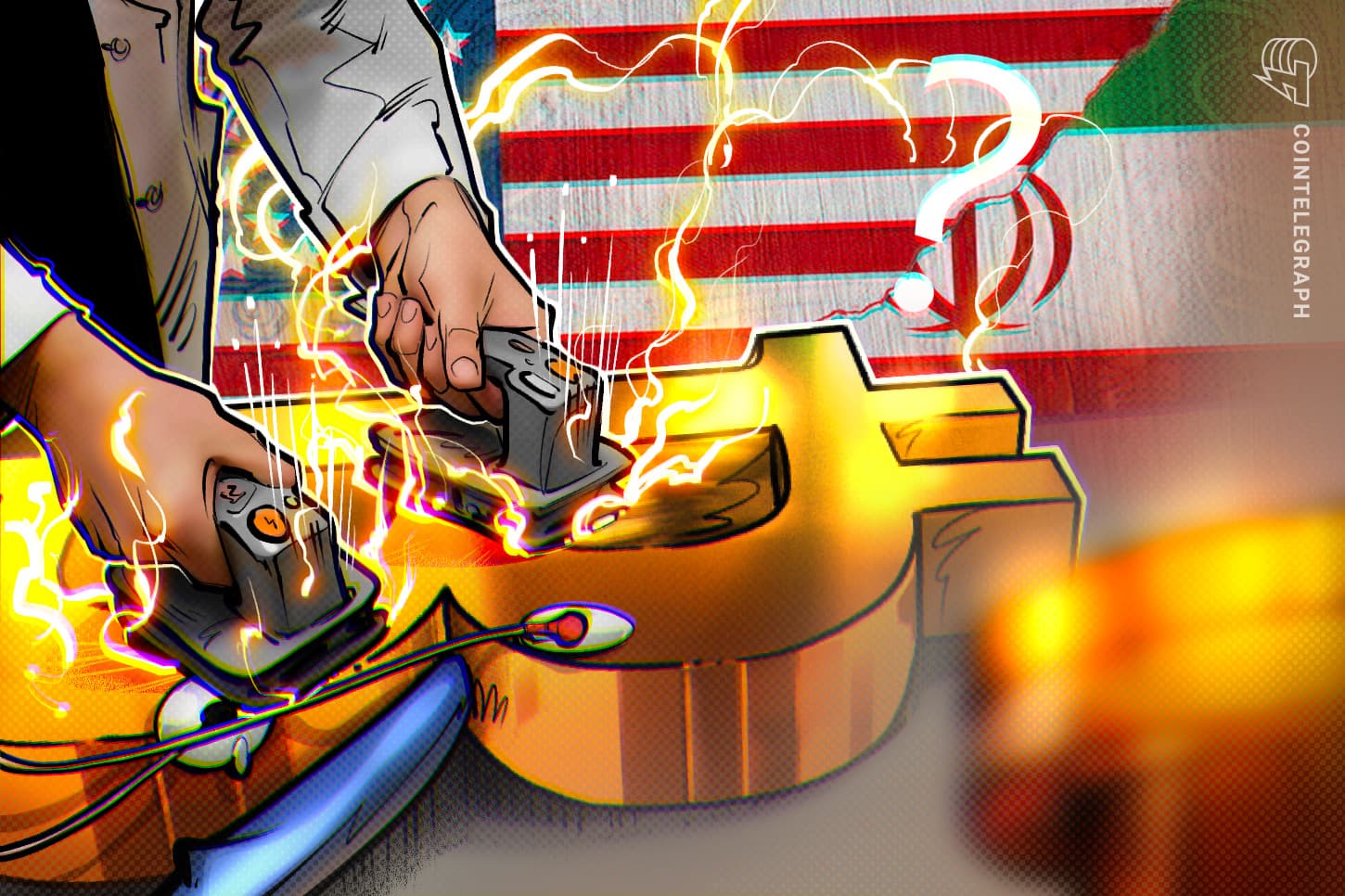
The crypto market's fragile recovery is hanging on something most traders wouldn't expect: international diplomacy. According to LVRG Research director Nick Ruck, Bitcoin faces a "volatile path" if the recently agreed peace accord between the US and Iran deteriorates—a stark reminder that crypto isn't isolated from real-world geopolitical tensions.
The Geopolitical Wildcard
Here's what's happening in the macro picture. When US-Iran relations escalate, traditional risk-off sentiment typically floods markets. But here's the twist: Bitcoin has increasingly become a geopolitical hedge. A breakdown in this deal could trigger:
- •Flight-to-safety moves that drain liquidity from crypto
- •Oil price spikes that reshape broader market sentiment
- •Capital reallocation away from risk assets into defensive positioning
Ruck's warning isn't theoretical. We've seen this pattern before. In January 2020, when Iran-US tensions peaked around Soleimani's death, Bitcoin initially spiked as investors sought non-correlated assets, but broader market instability still created volatility headwinds. The current recovery momentum is too fragile to withstand that kind of shock.
Momentum Tells the Real Story
What's concerning isn't just the geopolitical risk—it's that Bitcoin's underlying momentum remains weak. After recent price actions, we're seeing:
- •Lower trading volumes compared to prior recovery attempts
- •Resistance at key technical levels persisting longer than expected
- •Institutional interest showing signs of hesitation
This creates a compounding problem. A geopolitical shock hitting a market with weak momentum is like adding pressure to an already leaning tower. The recovery that looked promising weeks ago now feels conditional on stability holding.
What Traders Should Watch
The connection between diplomatic stability and crypto market health is becoming undeniable. If negotiations between the US and Iran falter:
1. Oil markets will signal the danger first—watch crude for breakdown below key support levels 2. Bitcoin's correlation to traditional risk assets will spike—meaning it moves with stocks, not against them 3. Volatility indicators (VIX equivalent for crypto) will expand rapidly—spreads will widen, liquidity will dry up
For portfolio managers, this means the current setup is anything but stable. You're not just trading crypto; you're trading on the assumption that geopolitical calm persists.
Alpha Take
We're in a window where Bitcoin's recovery is highly conditional—anchored to a peace deal holding rather than fundamental crypto adoption or institutional onboarding. If Iran-US relations deteriorate, expect forced liquidations across leveraged positions and a sharp retest of lower support levels. Monitor diplomatic headlines as closely as you watch on-chain metrics; in this environment, they're equally predictive of market direction. The weak momentum Ruck identifies makes Bitcoin particularly vulnerable to shocks that would normally be absorbed in healthier market conditions.
Originally reported by
CoinTelegraph
Not financial advice. Crypto investing involves significant risk. Past performance does not guarantee future results. Always do your own research.