
Bitcoin Stalls at $63K as Fed Hawkishness and Geopolitical Tensions Collide
Bitcoin's recent price movement tells a cautious story. On Juneteenth, BTC touched $63,000 but couldn't sustain momentum, caught between two competing headwinds: a more hawkish Federal Reserve and escalating Middle East tensions over the Strait of Hormuz.
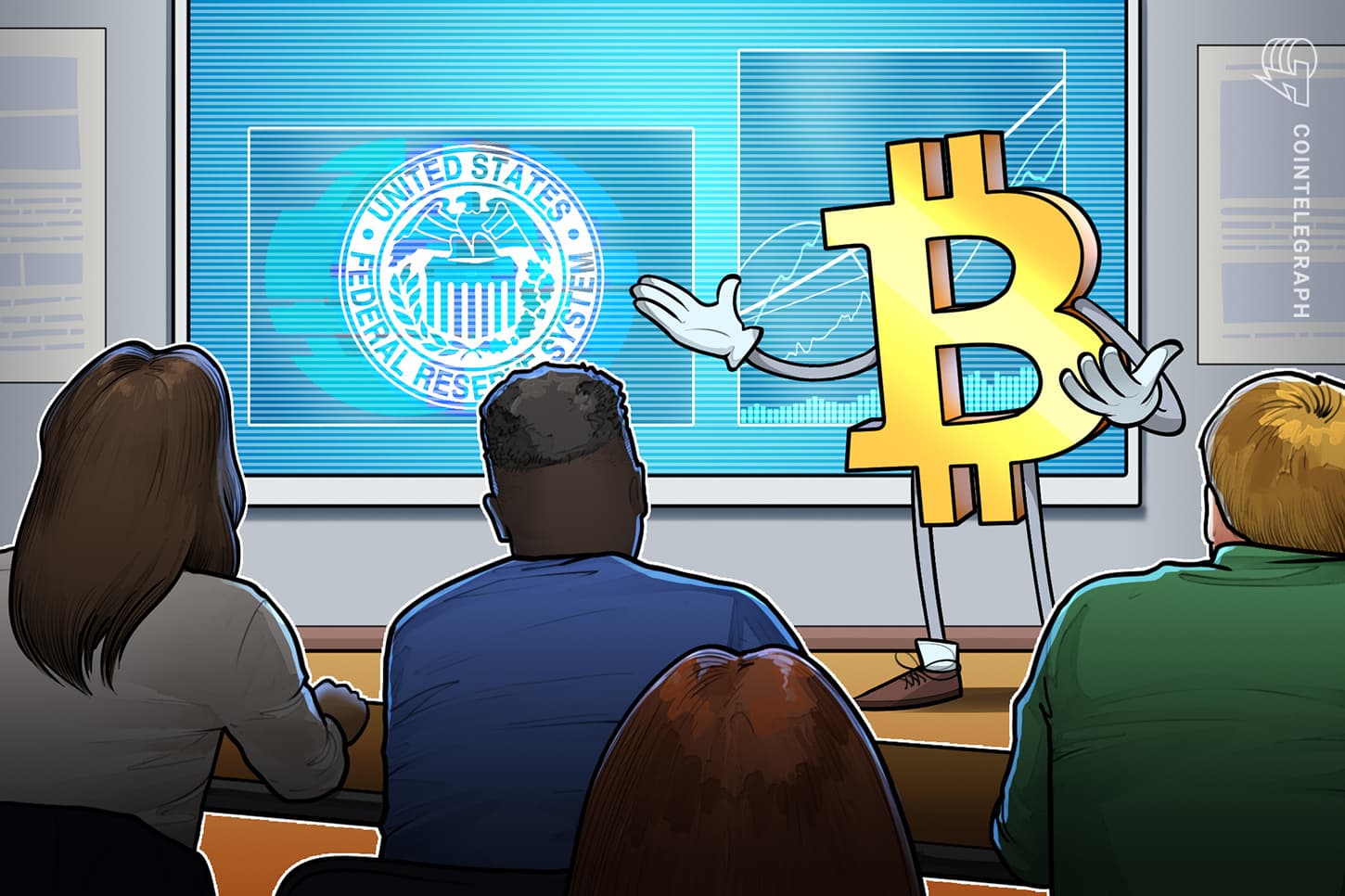
Bitcoin's recent price movement tells a cautious story. On Juneteenth, BTC touched $63,000 but couldn't sustain momentum, caught between two competing headwinds: a more hawkish Federal Reserve and escalating Middle East tensions over the Strait of Hormuz.
Fed's Hawkish Surprise Reshapes Rate Expectations
The Fed's latest communications shifted market sentiment dramatically. Futures traders are now pricing in roughly 40% odds of a rate hike come July—a significant repricing from earlier expectations. This hawkish pivot matters for crypto because higher rates increase the opportunity cost of holding non-yielding assets like bitcoin and ethereum. When risk-free rates climb, capital rotates away from speculative positions.
We've seen this playbook before. The crypto market reprices sharply when central bank policy surprises to the upside on inflation concerns. Bitcoin's failure to break decisively higher from $63K suggests traders are genuinely worried the Fed's tightening cycle isn't finished.
Geopolitical Risk Premium Adds Another Layer
Complicating the macro picture: Iran's ongoing posturing around Strait of Hormuz control. This isn't just a headline—it moves oil prices, which ripple through inflation expectations and broader market sentiment. When geopolitical risk spikes, traditional markets get volatile, and crypto tends to get caught in the crossfire as leveraged positions unwind.
Bitcoin's inability to bounce from local lows indicates the market is pricing in this uncertainty. Rather than rallying on perceived "safe haven" demand, BTC seems locked in risk-off mode alongside equities.
What the Technical Setup Tells Us
The $63K rejection is meaningful. Bitcoin needed to establish conviction above this level to signal a genuine reversal. Instead, we're seeing volatility containment but directional weakness—the worst of both worlds for bulls. The price action suggests accumulation isn't happening aggressively enough to overcome selling pressure from macro headwinds.
For portfolio strategists, this matters: when bitcoin can't rally despite volatility dampening, it often precedes deeper drawdowns. The lack of a bounce is sometimes worse than a straight selloff because it indicates distribution rather than capitulation.
The Ethereum Connection
While our analysis focused on bitcoin, ethereum traders should monitor the same macro forces. ETH typically follows BTC in these macro-driven environments, though it's more sensitive to Fed policy due to its higher duration and risk profile. If the July rate-hike odds continue climbing, expect ethereum to underperform.
Alpha Take
Bitcoin's $63K rejection on Juneteenth isn't just a technical failure—it's the market validating hawkish Fed expectations and geopolitical risk. With 40% odds priced into a July hike, the crypto market is arguably already bracing for tighter financial conditions. Traders should watch whether BTC can establish support below $63K; failure to hold could signal a flush toward $60K or lower as macro headwinds intensify.
Originally reported by
CoinTelegraph
Not financial advice. Crypto investing involves significant risk. Past performance does not guarantee future results. Always do your own research.