
Bitcoin Stumbles as Geopolitical Oil Fears Overshadow Institutional Buying Pressure
Bitcoin's weekend rally evaporated Monday as crude prices surged on Iran's reluctance to reopen the Strait of Hormuz, dragging equities and crypto lower in tandem. The flagship crypto mirrored broader market weakness, losing ground despite what we're seeing as genuinely impressive institutional acc
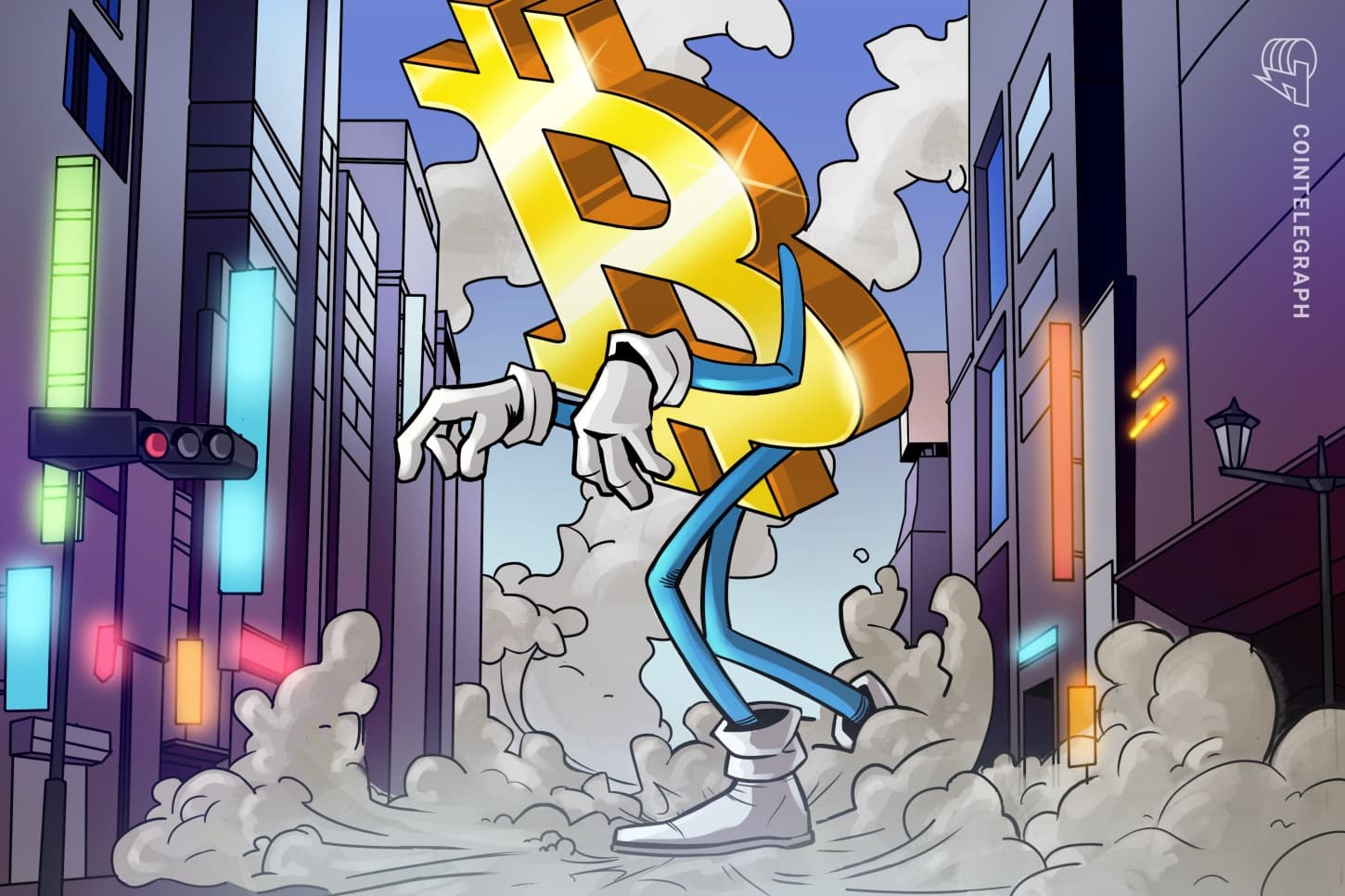
Bitcoin's weekend rally evaporated Monday as crude prices surged on Iran's reluctance to reopen the Strait of Hormuz, dragging equities and crypto lower in tandem. The flagship crypto mirrored broader market weakness, losing ground despite what we're seeing as genuinely impressive institutional accumulation.
Here's what happened: Oil jumped roughly 5% after Tehran signaled minimal willingness to resolve the Hormuz blockade—a critical chokepoint controlling roughly 21% of global petroleum flows. That move rippled through risk assets. When crude rallies on geopolitical tension, it typically pressures equities and crypto simultaneously, as investors rotate toward defensive positioning and worry about stagflation scenarios.
The timing matters because Bitcoin had posted solid gains through the weekend, building on what looked like genuine momentum. But that institutional buying Alpha Factory has been tracking—described by analysts as "exceptionally strong"—couldn't offset the macro headwinds. This is a critical distinction: whale accumulation and retail sentiment can diverge sharply during uncertainty spikes.
The Institutional Story Still Holds
Despite the pullback, the underlying BTC inflows remain noteworthy. We're seeing sustained institutional interest that suggests smart money views current levels as attractive. This is the kind of "buy the dip" behavior that separates serious portfolio allocation from reactive trading. Institutions don't typically panic-sell on daily volatility—they're playing a longer game.
The Hormuz situation adds a wrinkle worth monitoring. If tensions escalate further or the strait remains disputed, we could see oil remain elevated, which creates a structural headwind for risk assets including crypto and ethereum holdings. Conversely, if diplomatic progress emerges, that removes a major overhang.
What This Means for Trading
Bitcoin's correlation with US equities remains tight, which means traders need to track both simultaneously. When geopolitical risk spikes oil prices, watch for corresponding equity weakness—crypto typically follows within hours. The institutional buying we're observing suggests underlying conviction that this is temporary volatility, not a trend reversal.
The weekend gains getting wiped aren't unusual in crypto markets. Volatility compression followed by sharp moves is standard behavior. What matters is whether support levels hold and whether institutional accumulation continues on any further weakness. The "exceptionally strong" inflows suggest they're not deterred by a 5% crude surge.
Alpha Take
The oil-driven selloff masks a healthier substrate: serious institutional interest in Bitcoin that persists through intraday weakness. Monitor Hormuz developments closely—geopolitical oil premiums can linger if unresolved, creating drag on crypto and equity rallies. If institutions maintain their buying pressure through this volatility, the current dip could represent genuine accumulation opportunity rather than a warning signal for your portfolio.
Originally reported by
CoinTelegraph
Not financial advice. Crypto investing involves significant risk. Past performance does not guarantee future results. Always do your own research.