
Bitcoin Surges Past $72.5K as US-Iran Tensions Trigger Safe-Haven Demand
Bitcoin just crushed through $72,500, posting fresh multimonth highs while traditional markets stumbled. The catalyst?
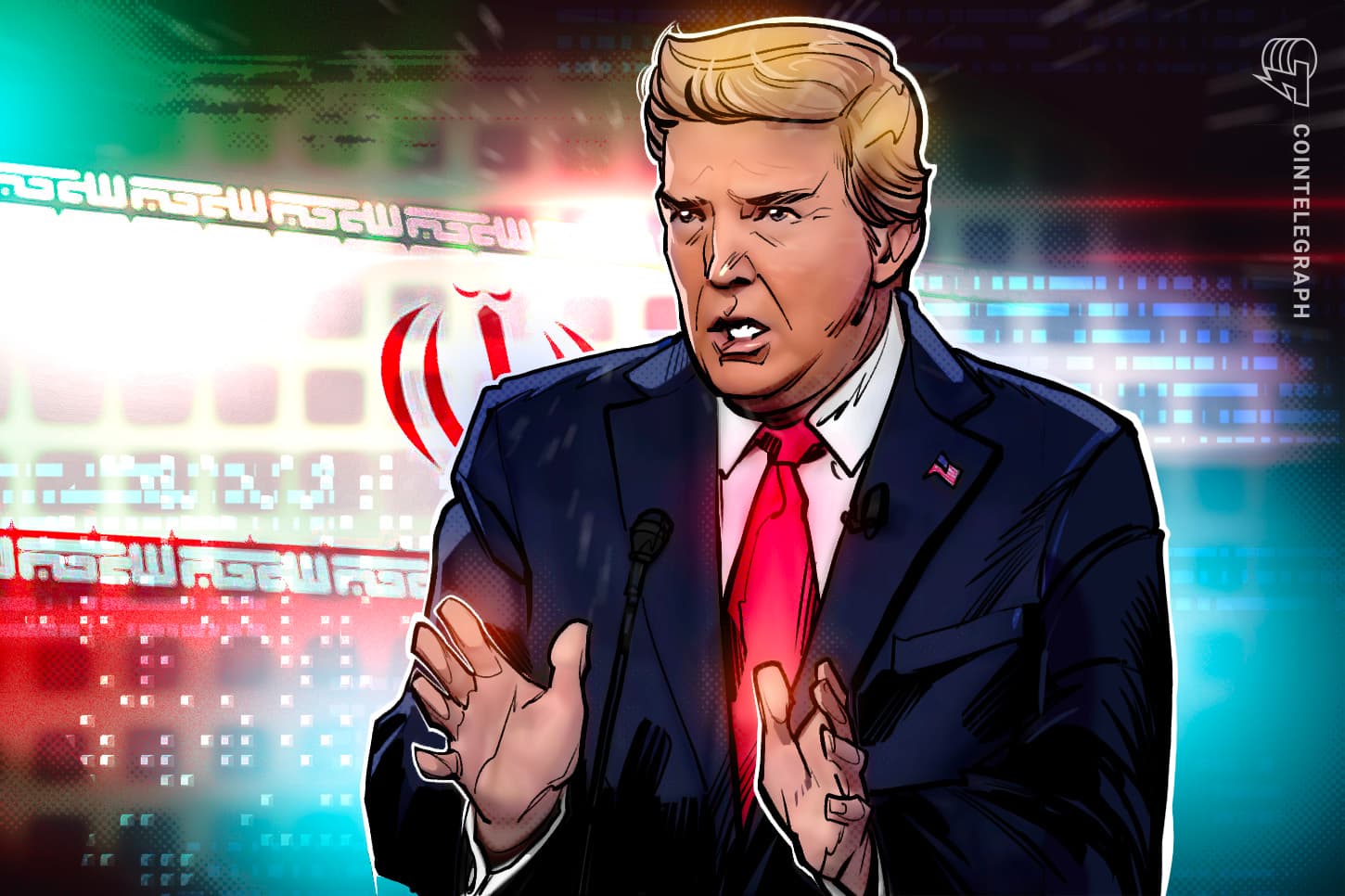
Bitcoin just crushed through $72,500, posting fresh multimonth highs while traditional markets stumbled. The catalyst? US officials are rattling sabers over Iran, threatening what they're calling "economic D-Day"—and crypto traders are treating this geopolitical friction like a bell for the next bull run leg.
Here's what's happening: While US equities pulled back on recession jitters and Fed uncertainty, bitcoin continued its steady grind higher. The spread isn't random. When headline risk spikes around international relations and sanctions, institutional investors and sophisticated traders rotate into assets they perceive as less vulnerable to government intervention—and crypto remains the de facto hedge against escalating economic warfare.
The Geopolitical Angle
The US is explicitly warning Iran of economic consequences, deploying language that signals potential new sanctions regimes or financial isolation tactics. This type of brinkmanship historically creates two market reactions: volatility spikes and capital flight into perceived safe havens. Gold typically catches some of that inflow, but bitcoin's recent performance suggests crypto is now competing seriously for that safe-haven bid.
We've seen this movie before. During the 2019 US-Iran tensions following the Soleimani assassination, bitcoin rallied hard as investors hedged against supply-chain disruptions and potential military escalation. Fast forward to today: the infrastructure is more mature, institutional custody exists, and corporate treasuries have already signaled their comfort with crypto holdings. That maturity matters when geopolitical black swans appear.
Market Structure Tells the Story
The fact that bitcoin hit multimonth highs while equities cooled is significant. That divergence suggests money isn't just rotating within risk assets—it's rotating out of traditional markets entirely. US stocks struggle when Fed policy tightens or recession signals flash. Bitcoin rallies when geopolitical risk compounds those concerns.
Current data shows bitcoin traders positioning for continued strength. Options markets are pricing in elevated realized volatility, and funding rates on major exchanges indicate leverage is building moderately rather than explosively—healthy accumulation rather than euphoric FOMO.
What's Next for Crypto Markets?
The $72,500 level now acts as a new anchor. If geopolitical tensions escalate further, we should expect another test toward $75K and beyond. Conversely, any diplomatic resolution could spark profit-taking, but the longer-term thesis remains intact: macro headwinds (recession risk, sanctions threats, currency debasement) continue favoring non-correlated assets like bitcoin.
Ethereum and the broader crypto market remain in sync with bitcoin's directional move, though ethereum typically lags during geopolitical rallies since it's perceived as riskier tech exposure rather than reserve asset.
The surveillance story here isn't complicated: when governments threaten "economic warfare," they're essentially advertising crypto's primary value proposition—censorship resistance and geographic neutrality. Markets are pricing that in accordingly.
Alpha Take
Bitcoin's surge to $72.5K amid US-Iran tensions validates crypto's role as a geopolitical hedge in diversified portfolios. The divergence between crypto strength and equity weakness signals real capital rotation, not mere speculation. Watch whether this technical level holds; a breakdown could signal risk-off sentiment spreading to crypto, while a breakout above $75K suggests institutional conviction in the safe-haven narrative is solidifying.
Originally reported by
CoinTelegraph
Not financial advice. Crypto investing involves significant risk. Past performance does not guarantee future results. Always do your own research.