
Bitcoin Tests Quantum-Resistant Payment Path Without Network Overhaul
StarkWare has demonstrated that Bitcoin can execute quantum-safe transactions using its current ruleset—no hard fork needed. This matters because it proves the network can adapt to quantum computing threats while maintaining backward compatibility.
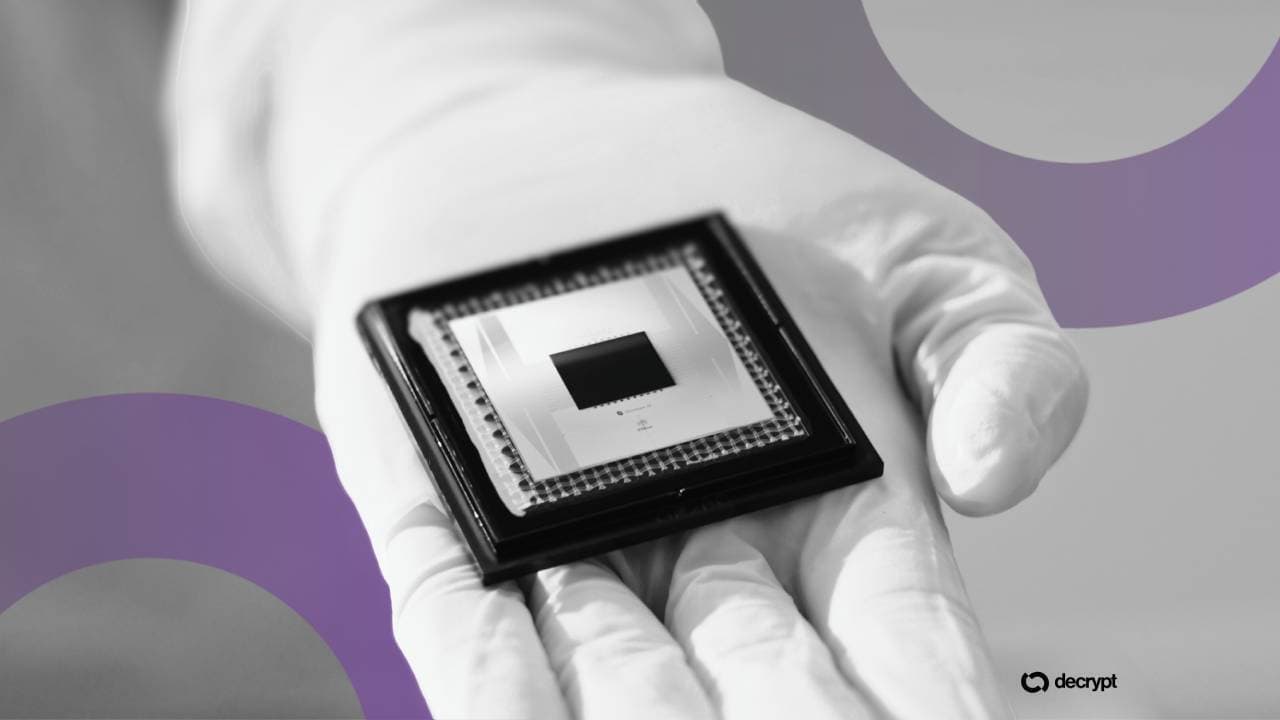
StarkWare has demonstrated that Bitcoin can execute quantum-safe transactions using its current ruleset—no hard fork needed. This matters because it proves the network can adapt to quantum computing threats while maintaining backward compatibility.
Here's what went down: the team completed what they're calling an "experimental" quantum-resistant transaction on Bitcoin. The key insight? They didn't need to modify Bitcoin's core protocol to pull it off. Instead, they leveraged Bitcoin's existing scripting capabilities to create a pathway that would theoretically withstand quantum attacks.
Why This Timing Matters for Crypto
The quantum computing threat to crypto isn't theoretical anymore. Sufficiently powerful quantum computers could theoretically break the elliptic curve cryptography that secures most digital assets today. Bitcoin and ethereum holders should care about this because it directly impacts long-term security of their holdings.
What makes StarkWare's approach compelling for crypto analysis is the elegance: they used Bitcoin's existing transaction rules to implement quantum-safe protections. No contentious network upgrades. No community drama. Just clever cryptographic engineering within the current framework.
The transaction demonstrated that Bitcoin's flexibility—often underestimated by casual observers—can accommodate significant security upgrades without requiring consensus from the entire network. That's a material advantage over blockchains that would need coordinated protocol changes to implement similar protections.
The Technical Reality
For traders and portfolio managers, this signals that Bitcoin's long-term security posture doesn't depend on unrealistic assumptions about quantum computing timelines. The network has a viable path to quantum resistance that doesn't require painful governance battles or contentious forks.
StarkWare's work using Bitcoin's existing rules means that entities concerned about quantum threats can begin protecting assets today. They don't need to wait for a community consensus vote or debate mining pool incentives. The solution works within current parameters.
This experimental transaction is crucial for crypto intelligence because it reframes a potential existential threat into a solvable engineering problem. Rather than Bitcoin being vulnerable to an unknowable future risk, we now have proof that quantum-safe mechanisms can be implemented gradually and deliberately.
The broader implication: Bitcoin's scripting language and transaction model contain more capability than many realize. Developers have tools to address significant security challenges without network disruption—a quality that strengthens the case for Bitcoin as long-term store of value.
Alpha Take
StarkWare's quantum-safe Bitcoin transaction demonstrates that solutions to major crypto threats don't always require network-level consensus or controversial upgrades. For portfolio managers, this reduces tail risk around quantum computing scenarios and validates Bitcoin's architecture flexibility. Watch for adoption of similar quantum-resistant transaction patterns as institutional interest in long-term crypto holdings grows—this could become table-stakes for enterprise custody solutions within 24 months.
Originally reported by
Decrypt
Not financial advice. Crypto investing involves significant risk. Past performance does not guarantee future results. Always do your own research.