
BitMEX's Exit Signals Crypto's Shift Toward Regulated Consolidation
BitMEX is stepping back from the derivatives game, and this isn't just another exchange closing—it's a watershed moment for crypto market structure. Analysts we're tracking see this as the latest evidence that regulatory pressure and rising compliance costs are fundamentally reshaping how crypto tr
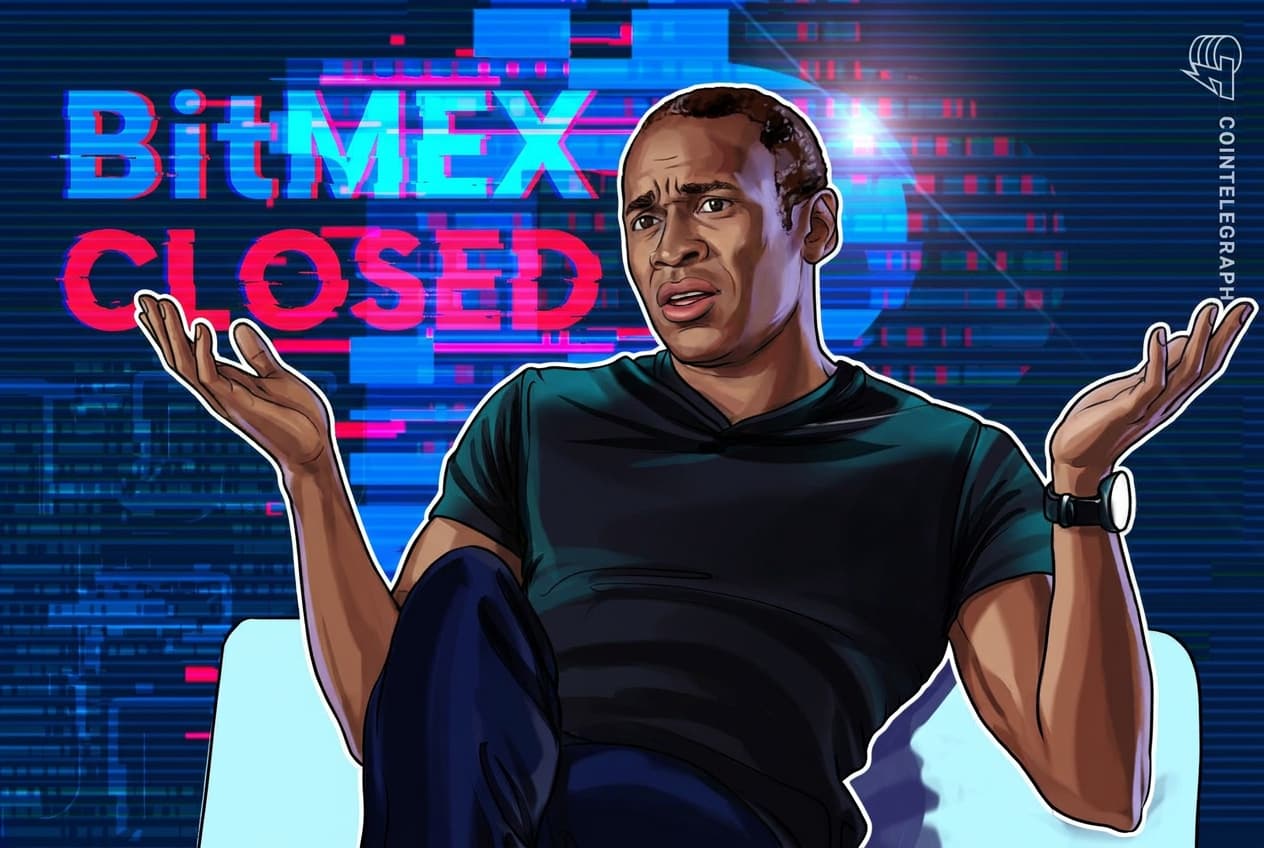
BitMEX is stepping back from the derivatives game, and this isn't just another exchange closing—it's a watershed moment for crypto market structure. Analysts we're tracking see this as the latest evidence that regulatory pressure and rising compliance costs are fundamentally reshaping how crypto trading operates.
The writing's been on the wall for BitMEX. The exchange that basically invented leveraged crypto derivatives is ceding territory to competitors with deeper pockets and cleaner regulatory records. What we're witnessing is a broader consolidation across crypto's trading infrastructure, where only the best-capitalized players can afford the compliance machinery modern regulators demand.
The Regulatory Cost Squeeze
Here's what's driving this: operating a derivatives exchange in 2024 is brutally expensive. You need legal teams in multiple jurisdictions, compliance officers, audit frameworks, and the willingness to negotiate with regulators who are still figuring out their own rules. BitMEX built its empire in the Wild West era of crypto trading. That model doesn't work anymore.
The shift reflects a crypto market that's fundamentally maturing. Retail traders still want leverage and high-risk bets—that's not going away. But they increasingly want it from venues they trust won't suddenly vanish or have their funds seized. Licensed exchanges, even if they're more restrictive, offer that psychological anchor.
Market Concentration at Inflection Point
Analysts tracking this trend highlight a troubling pattern: crypto derivatives volume is consolidating around a handful of mega-platforms. Binance, Coinbase, Kraken, and other institutions with substantial compliance budgets are eating market share from smaller competitors. BitMEX's retreat accelerates this concentration.
This matters for traders. Fewer venues means less competition on fees, less geographic redundancy if one exchange faces an outage, and less optionality when executing large positions. The crypto market is becoming more institutional, more regulated, more...conventional. For some, that's healthy. For others, it's mission drift.
What's Replacing BitMEX?
The vacuum won't stay empty. Offshore platforms are still onboarding volume, even if they operate in regulatory gray zones. But the real growth trajectory points toward licensed derivatives platforms—particularly in Asia and Europe where regulators have clarified trading rules. Deribit, FTX's various global successors, and regulated platforms are capturing traders BitMEX can't serve anymore.
The deeper story here is about market evolution. BitMEX succeeded by moving fast and breaking things. That approach generated genuine innovation in crypto derivatives—perpetuals, novel liquidation mechanisms, and leverage products that other exchanges copied. But you can't scale that model past a certain size without running into regulators who take their jobs seriously.
Alpha Take
BitMEX's shutdown isn't a market death—it's infrastructure maturation. We're watching crypto derivatives consolidate toward a smaller number of well-capitalized, regulated players. For traders, this means fewer options but potentially lower counterparty risk. Portfolio managers should expect continued regulatory pressure on smaller exchanges through 2024; position sizing accordingly with tier-1 venues for critical trades remains essential.
Originally reported by
CoinTelegraph
Not financial advice. Crypto investing involves significant risk. Past performance does not guarantee future results. Always do your own research.