
BitMEX Shuts Down Trading After Over a Decade—But the Exit Door Stays Open
BitMEX has officially ceased all crypto trading operations, marking the end of an 11-year run for one of crypto's most controversial derivatives platforms. The exchange has halted trading functionality entirely, though withdrawals remain accessible as the platform pushes users to pull their assets
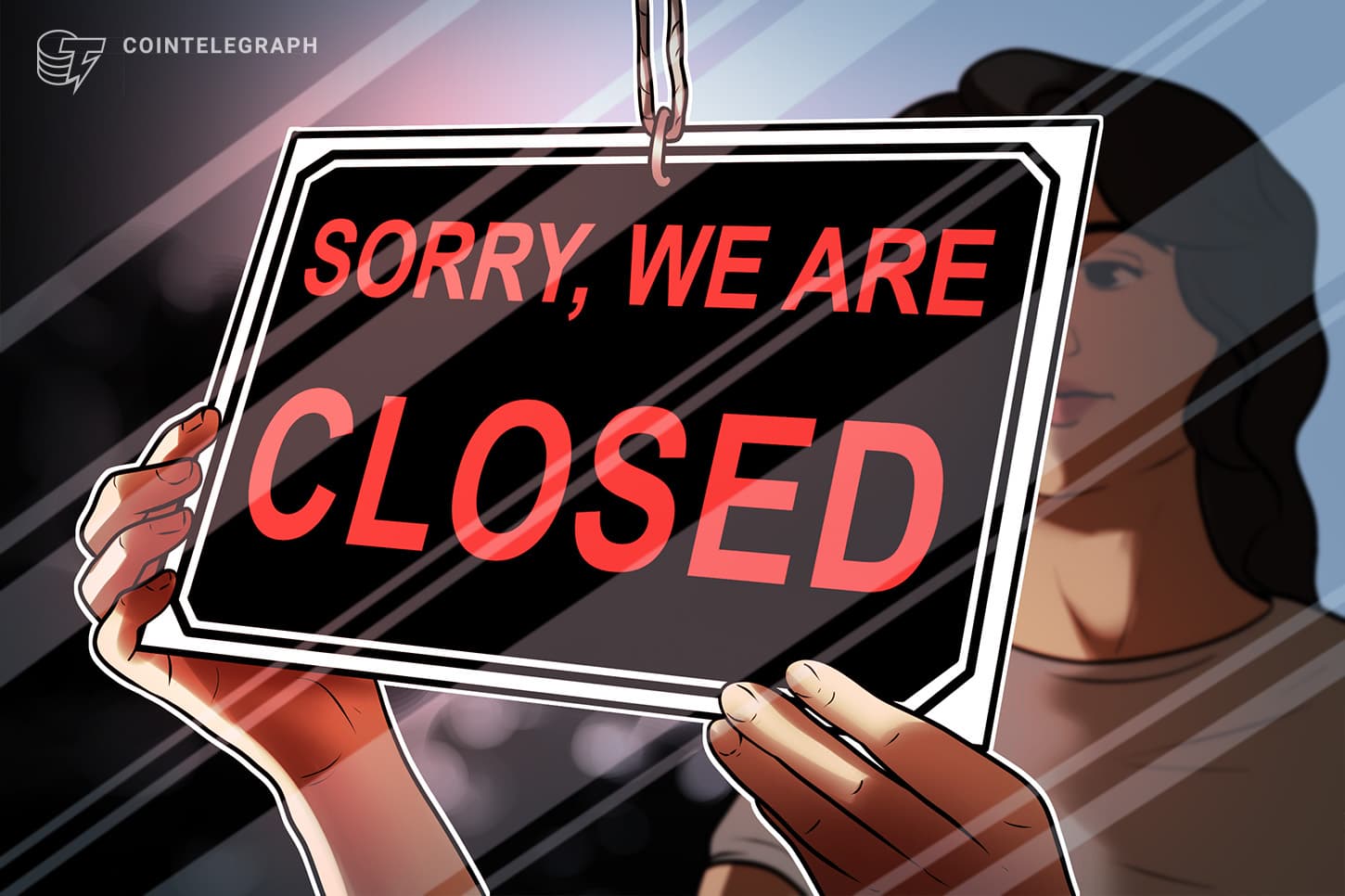
BitMEX has officially ceased all crypto trading operations, marking the end of an 11-year run for one of crypto's most controversial derivatives platforms. The exchange has halted trading functionality entirely, though withdrawals remain accessible as the platform pushes users to pull their assets out.
The End of an Era
The closure represents a significant milestone in crypto market evolution. BitMEX built its reputation—and notoriety—as a leverage trading powerhouse where traders could amplify positions with up to 100x multipliers. At its peak, the platform handled billions in daily derivatives volume and became synonymous with high-risk crypto trading during bull markets.
The decision to maintain withdrawal functionality while killing trading reflects a controlled shutdown strategy. BitMEX is essentially telling users: "Get your money out, but don't expect to trade anymore." This approach prevents a sudden, chaotic collapse while giving the platform a managed exit.
Why This Matters for Crypto Markets
BitMEX's departure signals a broader shift in how crypto derivatives operate. Regulatory pressure mounted significantly after the 2019-2020 period, with U.S. authorities intensifying scrutiny of unregistered derivatives exchanges. BitMEX faced legal battles and compliance challenges that ultimately made continuing operations untenable.
The platform's closure doesn't create a vacuum—competitors like Bybit, Deribit, and FTX (pre-collapse) already absorbed much of BitMEX's former volume. But the symbolic weight matters: BitMEX represented old-guard crypto trading culture. Its exit suggests the era of loosely-regulated, high-leverage-anything platforms is genuinely over.
The Withdrawal Window
For traders still holding positions on BitMEX, the open withdrawal window is critical. The platform hasn't announced a hard deadline, but history shows that crypto exchanges operating in wind-down mode eventually restrict or eliminate access. Users should treat this as urgent.
Here's what we're watching: whether withdrawals remain genuinely friction-free or if technical "issues" emerge as the platform deprioritizes operations. The crypto industry has seen enough exchange closures to know that withdrawal access often deteriorates over time, even when platforms insist otherwise.
What's Next
BitMEX's closure accelerates consolidation in crypto derivatives. Remaining major platforms face intensifying regulatory demands around capital reserves, market manipulation prevention, and customer protections. The days of running derivatives exchanges from offshore locations with minimal oversight are effectively finished.
For portfolio managers, this means reconsidering which derivatives platforms you're comfortable using long-term. Counterparty risk has become a first-order concern in crypto trading—arguably more important than leverage ratios or trading fees.
The 11-year BitMEX story ends not with a bang but with a controlled shutdown. That's actually the most orderly exit the crypto industry has managed from a major exchange. For users with funds there, that's cold comfort—the priority now is getting assets transferred before this window closes.
Alpha Take
BitMEX's exit marks a regulatory inflection point, not a crisis. The platform's managed shutdown demonstrates that even controversial exchanges can close without triggering contagion across crypto markets. If you're trading derivatives, this should accelerate your shift toward regulated platforms with genuine capital backing. The leverage-on-leverage era is over.
Originally reported by
CoinTelegraph
Not financial advice. Crypto investing involves significant risk. Past performance does not guarantee future results. Always do your own research.