
Blockstream's Adam Back Charts Middle Path on Bitcoin's Quantum Vulnerability Problem
Blockstream CEO Adam Back is advocating for a voluntary framework to address Bitcoin's quantum computing exposure, a stance that puts him at odds with more aggressive proposals circulating in the crypto community. Back's position centers on optional upgrades rather than forced interventions.
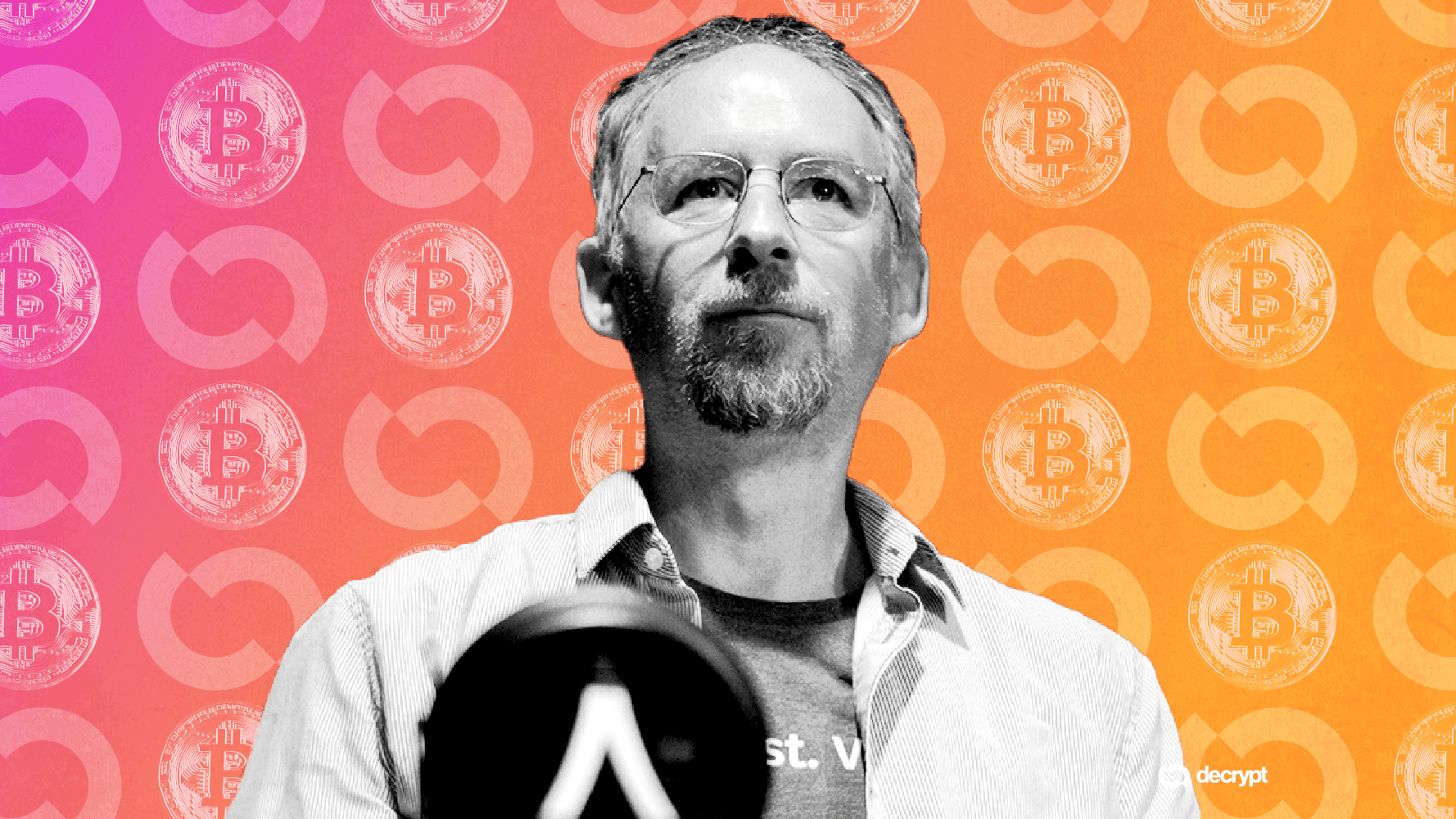
Blockstream CEO Adam Back is advocating for a voluntary framework to address Bitcoin's quantum computing exposure, a stance that puts him at odds with more aggressive proposals circulating in the crypto community.
Back's position centers on optional upgrades rather than forced interventions. This measured approach stands in sharp contrast to BIP-361, an alternative proposal that would mandate the freezing of quantum-vulnerable Bitcoin holdings—a more heavy-handed solution designed to protect legacy wallets from potential future threats.
The Quantum Threat Debate Heating Up
The crypto analysis community has been increasingly focused on quantum computing's existential risk to Bitcoin's security model. While quantum computers capable of breaking Bitcoin's cryptographic functions don't exist yet, institutional investors and developers recognize this represents a genuine long-term portfolio concern. The debate over how to address this threat has split the ecosystem into two camps.
Back's optional upgrade framework would allow Bitcoin holders to voluntarily migrate their holdings to quantum-resistant addresses at their own pace. This preserves individual autonomy—a core principle of crypto—while still providing a pathway to security. Holders who take action protect themselves; those who don't face potential risk, but retain control over their own timeline.
BIP-361 takes the opposite approach. Rather than leaving the choice to users, this proposal would implement protocol-level freezes on addresses identified as quantum-vulnerable. Proponents argue this is necessary to prevent catastrophic losses in a post-quantum scenario. Critics contend it's authoritarian overreach that violates Bitcoin's foundational principles around censorship resistance.
Trading and Investment Implications
For traders and portfolio managers tracking Bitcoin market intelligence, this debate has practical ramifications. A mandatory freeze framework could trigger significant market disruption—legacy whale addresses holding millions in dormant Bitcoin could suddenly become inaccessible, fundamentally altering the crypto's supply dynamics.
Ethereum and other blockchain platforms are monitoring these discussions closely, as they face identical quantum computing vulnerabilities. The approach Bitcoin ultimately adopts could set precedent across the entire crypto ecosystem.
Back's voluntary framework introduces fewer unknowns. Market participants could gradually adapt, and protocol governance wouldn't require the consensus threshold that mandatory changes demand. The flexibility aligns with how the Bitcoin community has historically approached scaling debates and network upgrades.
What Happens Next
The real tension lies in execution. A truly optional upgrade requires widespread developer support and user adoption to achieve meaningful security. If too few Bitcoin holders migrate to quantum-resistant addresses, the result could be piecemeal protection that leaves significant portions of the network exposed.
Meanwhile, advocates for BIP-361 will likely argue that voluntary measures move too slowly and that waiting for organic adoption is reckless when quantum threats could emerge faster than expected.
Alpha Take
Back's optional framework gives Bitcoin holders agency while addressing quantum vulnerabilities—but voluntary approaches historically suffer from adoption challenges. Watch whether major exchanges and custodians actively push their users toward quantum-resistant addresses; if they do, Back's model works. If adoption stalls, expect renewed pressure for mandatory solutions. Either way, this debate signals institutional crypto analysis is taking long-term existential risks seriously rather than dismissing them as theoretical.
Originally reported by
Decrypt
Not financial advice. Crypto investing involves significant risk. Past performance does not guarantee future results. Always do your own research.