
Bybit Breaks Into EU Payments With Austrian Regulatory Green Light
Bybit's push into European payments infrastructure just got a major boost. The crypto exchange's Austrian subsidiary has secured an e-money license, clearing the path for the company to launch a full suite of payment services across the EU's regulated banking ecosystem.
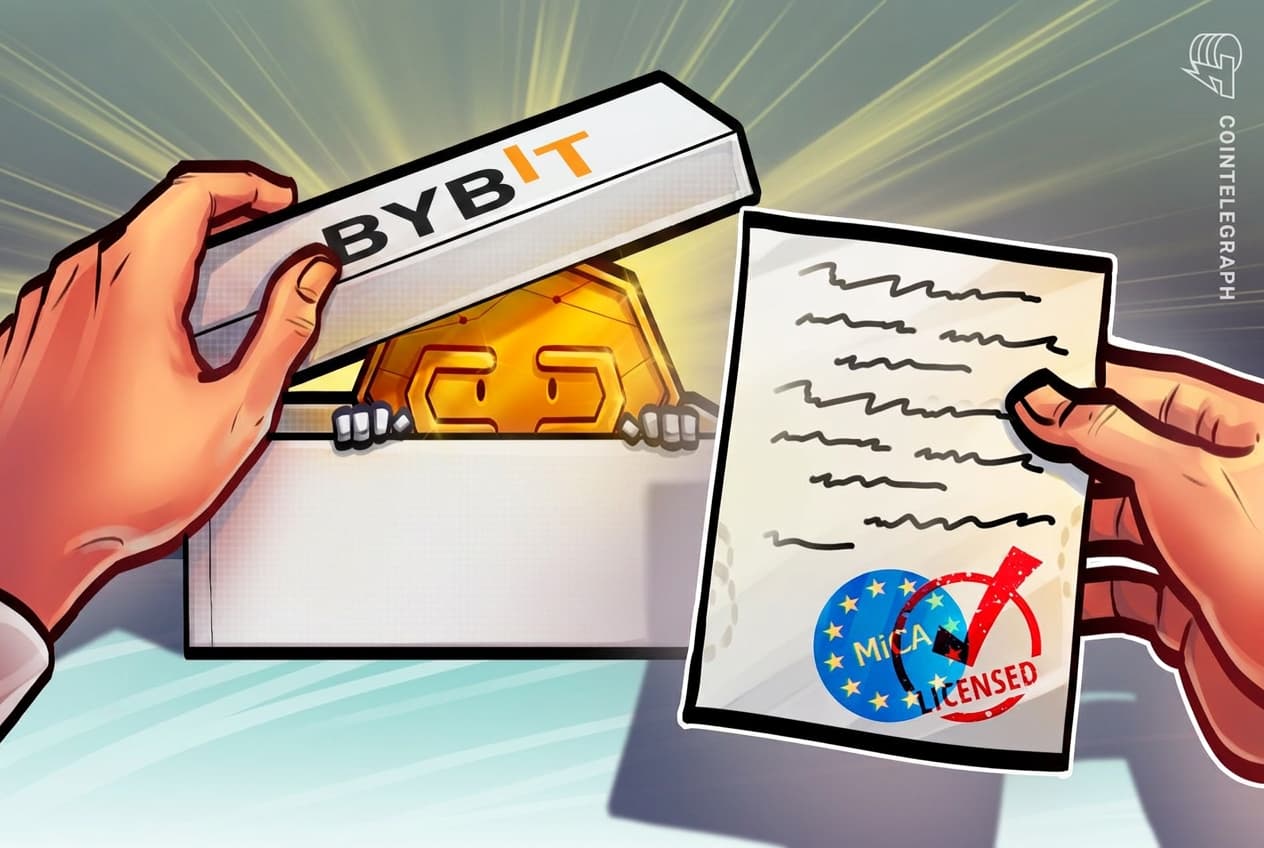
Bybit's push into European payments infrastructure just got a major boost. The crypto exchange's Austrian subsidiary has secured an e-money license, clearing the path for the company to launch a full suite of payment services across the EU's regulated banking ecosystem.
Here's what matters: this isn't just another regulatory checkbox. The Austrian Financial Market Authority (FMA) approval gives Bybit the legal foundation to operate card services, merchant payment rails, open-banking integrations, and peer-to-peer transfers—essentially everything needed to become a legitimate financial services player in Europe.
Why This Matters for Bybit's EU Strategy
The move signals Bybit's serious commitment to moving beyond pure crypto trading. Rather than staying confined to spot and derivatives trading, the exchange is building out infrastructure that bridges traditional finance and crypto. That's a strategic shift worth watching.
By establishing its payments arm in Austria, Bybit gains what's known as "passporting rights"—meaning once approved in one EU member state, the company can legally operate across the entire bloc. This is significantly cheaper and faster than securing individual licenses in each country.
What the License Enables
With e-money licensing in hand, Bybit can now:
- •Issue payment cards directly to users
- •Process merchant transactions at the point of sale
- •Tap into open-banking APIs for real-time account data
- •Enable direct peer-to-peer transfers between users
This positions the company to compete with traditional fintech providers like Revolut and Wise, while maintaining its crypto heritage. It's a calculated play to capture users who want both crypto trading and seamless traditional payment rails.
The Broader EU Regulatory Landscape
The FMA approval comes as EU regulators have tightened their stance on crypto firms operating on the continent. The Markets in Crypto-Assets Regulation (MiCA), which went live this year, established new requirements for crypto service providers. By proactively securing e-money licensing, Bybit is getting ahead of compliance requirements rather than playing regulatory catch-up.
This is particularly smart timing. Other major exchanges have faced operational friction in Europe—some restricting services, others withdrawing entirely. Bybit's approach of building legitimate payment infrastructure suggests they're betting on long-term European market access rather than treating the region as a short-term revenue opportunity.
What's Next
The Austrian license is stage one. We'd expect Bybit to gradually roll out these payment services to EU users over the coming months, likely testing with existing customers first before a broader launch. The company will also need to ensure its crypto trading operations remain compliant under MiCA's stricter requirements.
The bigger picture: crypto exchanges are increasingly realizing that pure trading access isn't enough to retain users long-term. Payments infrastructure, custody solutions, and banking integrations are becoming table stakes for survival in regulated markets.
Alpha Take
Bybit's Austrian e-money license represents a calculated shift from crypto-only operator to regulated fintech provider—exactly the kind of regulatory armor exchanges need to survive in Europe. For traders and investors, this signals Bybit's serious commitment to staying operational across the EU long-term. Watch whether this paves the way for similar licensing efforts from competitors in Singapore or other strategic jurisdictions. This is how major exchanges scale: not by fighting regulators, but by becoming one.
Originally reported by
CoinTelegraph
Not financial advice. Crypto investing involves significant risk. Past performance does not guarantee future results. Always do your own research.