
CFTC Greenlights Crypto App Integrations With Regulated Derivatives—No Broker Registration Required
The Commodity Futures Trading Commission just handed crypto software providers a significant regulatory win. Through a no-action letter, the CFTC carved out a pathway for certain applications to connect their users directly to regulated derivatives markets without forcing them to register as broker
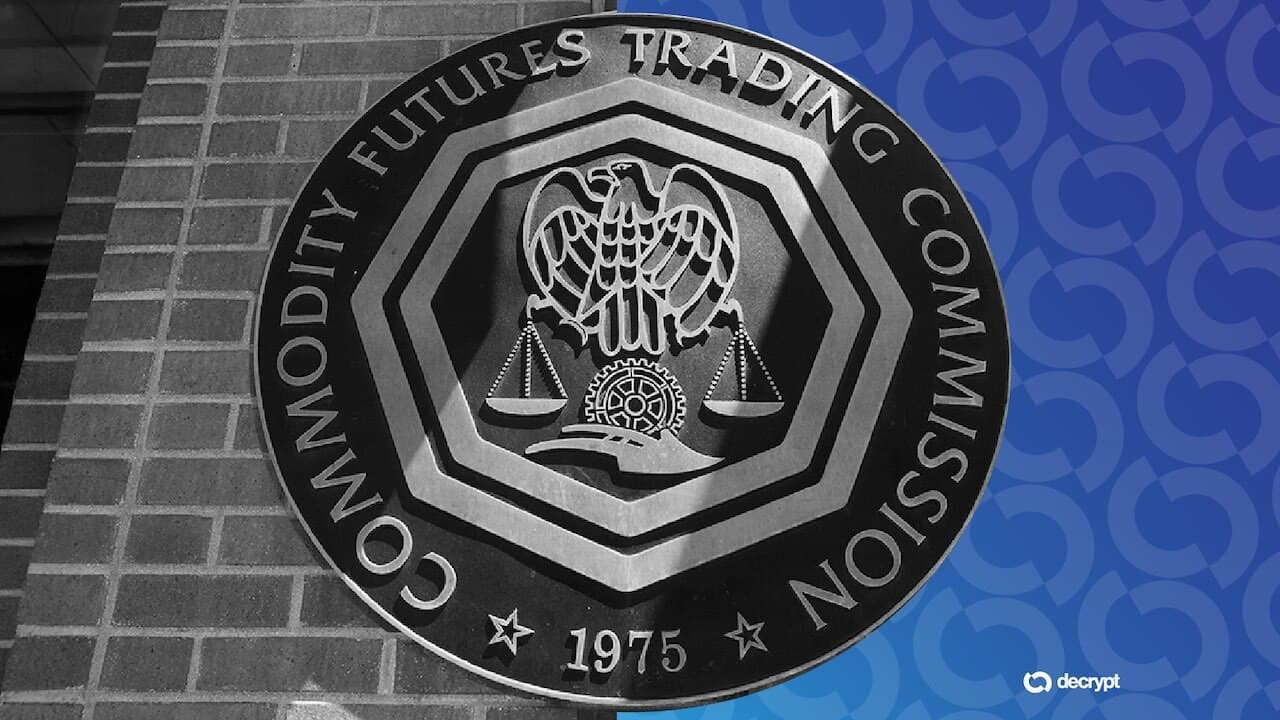
The Commodity Futures Trading Commission just handed crypto software providers a significant regulatory win. Through a no-action letter, the CFTC carved out a pathway for certain applications to connect their users directly to regulated derivatives markets without forcing them to register as brokers.
Here's what matters for the crypto ecosystem: this decision materially lowers the compliance burden for fintech platforms looking to integrate derivatives functionality. Instead of becoming fully-fledged broker-dealers, apps can now facilitate access to CFTC-regulated markets through existing infrastructure—a distinction that changes the competitive landscape for crypto app developers.
The Regulatory Breakthrough
The no-action letter establishes clear guardrails. Software providers can facilitate connections between users and regulated derivatives exchanges or clearinghouses without triggering broker registration requirements. The catch? These platforms must operate under specific conditions: they can't hold customer funds, can't execute trades on behalf of users, and can't make recommendations about which derivatives to trade.
Think of it as a pass-through mechanism. The app becomes the conduit, not the gatekeeper. Users maintain direct relationships with regulated market operators, while the software layer simply provides the interface.
What This Means for Crypto Markets
For the broader crypto and trading ecosystem, this is a legitimacy play. By allowing mainstream apps to integrate regulated derivatives access, the CFTC is essentially saying: we support responsible innovation in this space. It's a marked shift from the regulatory hostility crypto markets faced during the FTX fallout.
The timing matters too. Bitcoin and ethereum traders have been demanding better access to institutional-grade derivatives products. This ruling lets crypto-native platforms level up without navigating Byzantine regulatory frameworks. Expect crypto apps to announce derivatives integration announcements within months.
The Compliance Reality
Let's be clear—this doesn't mean a free-for-all. The no-action letter applies to specific use cases and specific providers who meet the CFTC's criteria. The agency remains laser-focused on preventing retail market manipulation and ensuring market integrity. Apps that try to push beyond these boundaries will face enforcement action.
The key restriction: software providers cannot engage in leveraged or margined trading facilitation. This protects retail users from the kind of blow-up scenarios that plagued crypto markets during previous cycles. It's regulatory guardrails with teeth.
Market Intelligence
We're watching three dynamics here. First, which crypto platforms will be first-movers in announcing derivatives access under this framework? Second, how will traditional fintech competitors respond—will established brokers start building crypto-native features? Third, could this CFTC decision create a template for other regulators globally?
The letter signals the CFTC sees crypto market infrastructure maturation as compatible with existing regulatory frameworks. That's a subtle but powerful endorsement of the market's evolution.
Alpha Take
This no-action letter represents incremental but meaningful progress in crypto market infrastructure legitimacy. We expect to see rapid adoption by tier-one crypto apps seeking derivatives capabilities. The regulatory certainty here—coupled with clear compliance boundaries—should attract institutional capital to platforms that can demonstrate clean infrastructure. Watch for announcements from major crypto exchanges over the next quarter.
Originally reported by
Decrypt
Not financial advice. Crypto investing involves significant risk. Past performance does not guarantee future results. Always do your own research.