
CFTC Pushes Back Hard on CME's Crypto Futures Challenge—Claims Lack of Legal Standing
The Commodity Futures Trading Commission is playing hardball in its defense against CME Group's lawsuit over crypto perpetual futures, with CFTC lawyers dismissing the exchange operator's claims as legally baseless. In its filing to dismiss the case, the CFTC's legal team characterized the lawsuit
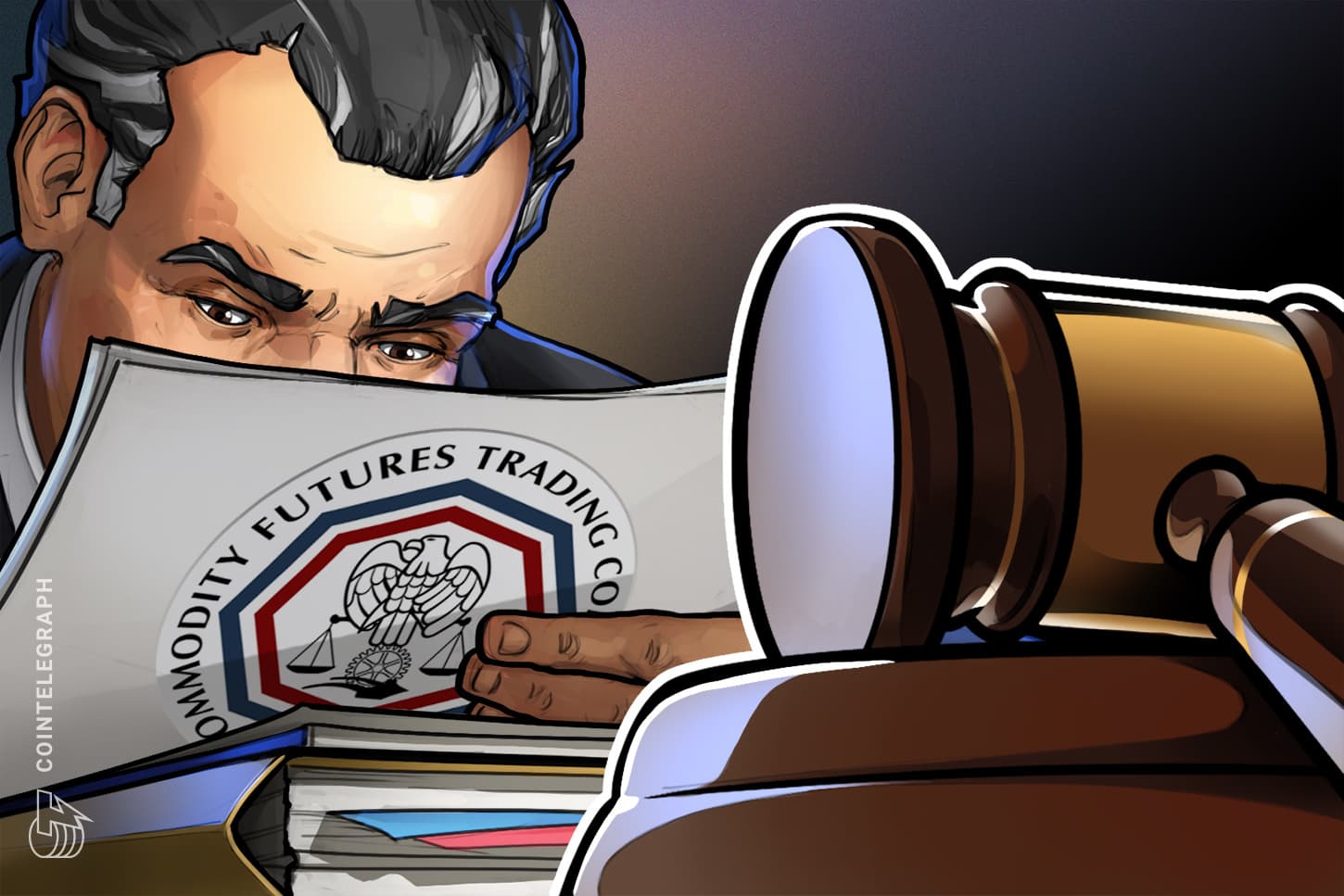
The Commodity Futures Trading Commission is playing hardball in its defense against CME Group's lawsuit over crypto perpetual futures, with CFTC lawyers dismissing the exchange operator's claims as legally baseless.
In its filing to dismiss the case, the CFTC's legal team characterized the lawsuit as "much ado about nothing," arguing that CME Group fundamentally lacks standing to challenge the regulator's actions. The agency is essentially telling the court that CME doesn't have the legal right to be suing them in the first place—a procedural argument that, if successful, could end the dispute before substantive arguments about crypto perpetual futures even get heard.
The Core Dispute Over Crypto Derivatives
CME Group filed the lawsuit challenging the CFTC's regulatory approach to crypto perpetual futures—derivatives contracts that allow traders to bet on price movements with leverage without an expiration date. These instruments have become central to how professional and retail traders manage crypto positions and generate trading volume on major exchanges.
The CFTC's position essentially boils down to jurisdictional and procedural objections. Their lawyers contend that CME doesn't have standing because the regulatory actions in question don't directly and personally injure the exchange in a way that federal courts can remedy. It's a technical argument, but if it sticks, it could remove this challenge from the judicial system entirely and leave regulatory authority with the CFTC.
What This Means for Crypto Market Intelligence
From a market perspective, this clash highlights ongoing regulatory uncertainty around crypto derivatives. The CFTC and CME have sparred before over how digital asset derivatives should be classified and regulated. Understanding which agency has authority over these products—and how they'll be regulated going forward—directly impacts portfolio construction and trading strategy for investors.
The crypto industry has been waiting for clearer guardrails on perpetual futures. These derivatives are enormously popular for leverage trading, but regulatory confusion creates execution risk. If the CFTC's dismissal motion succeeds, it signals the agency intends to maintain its current regulatory stance without court interference, at least for now.
Timing and Next Steps
The filing represents an escalation in what's already been a contentious regulatory dialogue. If the judge agrees with the CFTC's standing argument, the case gets tossed and CME would need to find another legal avenue if it wants to challenge the regulator. If the judge sides with CME, the substantive battle over crypto perpetual futures regulation moves forward.
Either way, traders and institutions managing crypto exposure need to monitor this closely. Regulatory clarity (or lack thereof) in the perpetual futures market directly affects liquidity, leverage availability, and risk management options for crypto trading strategies.
Alpha Take
The CFTC's aggressive motion to dismiss suggests confidence in its regulatory authority, but CME's willingness to litigate indicates real business concerns about how crypto derivatives get regulated. Watch for the judge's ruling—a dismissal on standing grounds keeps regulatory power with the CFTC, while a denial opens the door for substantive courtroom battles over crypto futures classification and oversight. Either outcome carries material implications for market participants relying on perpetual futures for portfolio hedging and leverage trading.
Originally reported by
CoinTelegraph
Not financial advice. Crypto investing involves significant risk. Past performance does not guarantee future results. Always do your own research.