
CFTC Ready to Act Unilaterally on Crypto Rules if Congress Stalls on CLARITY
The Commodity Futures Trading Commission isn't waiting around. CFTC Chair Michael Selig made it clear at an Innovation Advisory Committee meeting that the agency will chart its own regulatory course on crypto if Congress fails to pass the CLARITY Act.
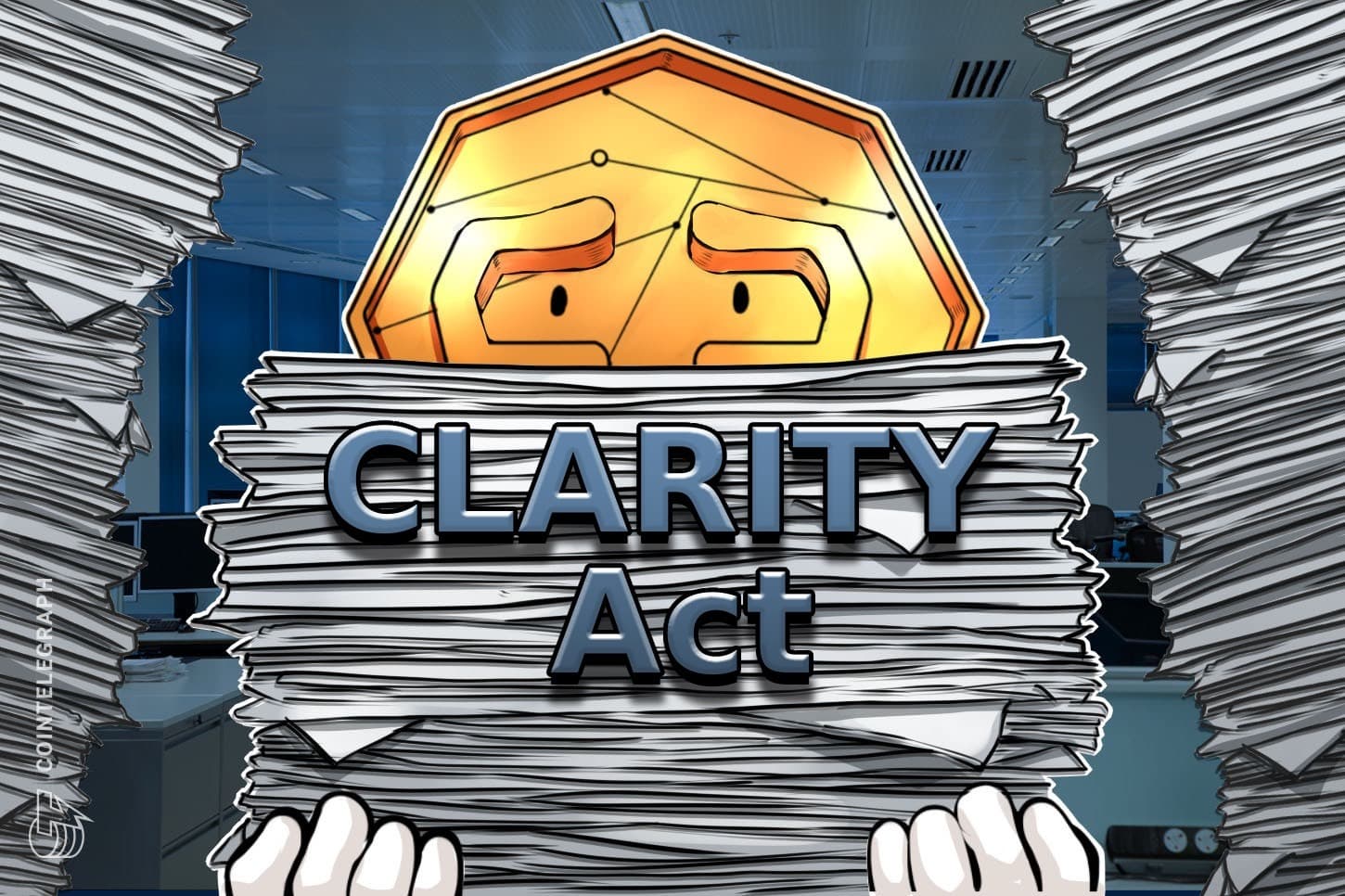
The Commodity Futures Trading Commission isn't waiting around. CFTC Chair Michael Selig made it clear at an Innovation Advisory Committee meeting that the agency will chart its own regulatory course on crypto if Congress fails to pass the CLARITY Act.
Here's what matters: Selig directed CFTC staff to actively explore developer protections and additional crypto-related policies. This signals the regulator is preparing contingency plans rather than sitting idle while lawmakers debate legislative frameworks.
The CLARITY Act Gamble
The CLARITY Act has become the focal point for crypto regulation in Washington. The proposed legislation aims to establish clearer jurisdictional boundaries between the SEC and CFTC over digital assets. It's designed to eliminate regulatory overlap that's plagued the industry for years. But like most Congressional efforts, progress has been inconsistent.
Selig's comments essentially telegraph a message: if CLARITY doesn't materialize, the CFTC will move forward independently with crypto policy development. This unilateral approach could reshape how the agency regulates digital asset markets and the developers building infrastructure.
Developer Protections on the Radar
The focus on developer protections represents a strategic shift in regulatory thinking. Currently, developers operate in gray zones where it's unclear whether they face liability for code deployed on blockchain networks. CFTC exploration of safeguards could establish clearer standards for builders and reduce regulatory uncertainty.
This matters for crypto market participants because developer confidence directly impacts innovation velocity. If the CFTC can clarify protections without Congress, we might see accelerated building in derivatives, DeFi infrastructure, and other protocol-level innovations.
What This Means for Crypto Markets
From a market intelligence perspective, the CFTC's contingency planning has real implications:
Regulatory arbitrage shrinks. If the CFTC establishes its own framework independent of SEC coordination, expect tighter compliance requirements across futures, options, and spot markets touching CFTC jurisdiction.
Timeline compression. Rather than waiting for perfect legislative alignment, unilateral agency action could happen faster. Crypto traders and platforms should prepare for potential rule changes within 12-18 months rather than the multi-year Congressional timeline.
Developer focus. The emphasis on developer protections suggests the CFTC views code builders as essential infrastructure. Policies that reduce friction for developers could unlock new derivatives and trading products.
The Legislative Wild Card
The CLARITY Act remains uncertain. While crypto-friendly lawmakers support it, passage isn't guaranteed in the current Congressional environment. Selig's statements effectively hedge against that uncertainty by ensuring the CFTC has regulatory tools ready regardless of legislative outcomes.
The broader crypto analysis here: don't assume Congress solves regulatory questions for you. Major regulators like the CFTC are actively preparing standalone frameworks. For investors and traders managing portfolio exposure to digital assets, this means regulatory risk isn't decreasing—it's just shifting form.
Alpha Take
The CFTC's willingness to move independently on crypto regulation is a significant development often overlooked in market commentary. Selig's directive to staff signals imminent policy action whether Congress delivers CLARITY or not. Smart crypto traders should monitor CFTC staff proposals over the next 6-12 months, as unilateral regulatory moves often create both opportunities and execution risks across derivatives and protocol markets.
Originally reported by
CoinTelegraph
Not financial advice. Crypto investing involves significant risk. Past performance does not guarantee future results. Always do your own research.