
China's AI Crackdown Forces Tech Giants to Shelve Custom Agent Features
Beijing just dropped new regulatory hammer on emotional AI, and China's heavyweights—ByteDance and Alibaba—are scrambling to comply. The country's first rules specifically targeting humanlike AI agents are forcing the nation's biggest apps to shut down custom agent features, marking a significant s
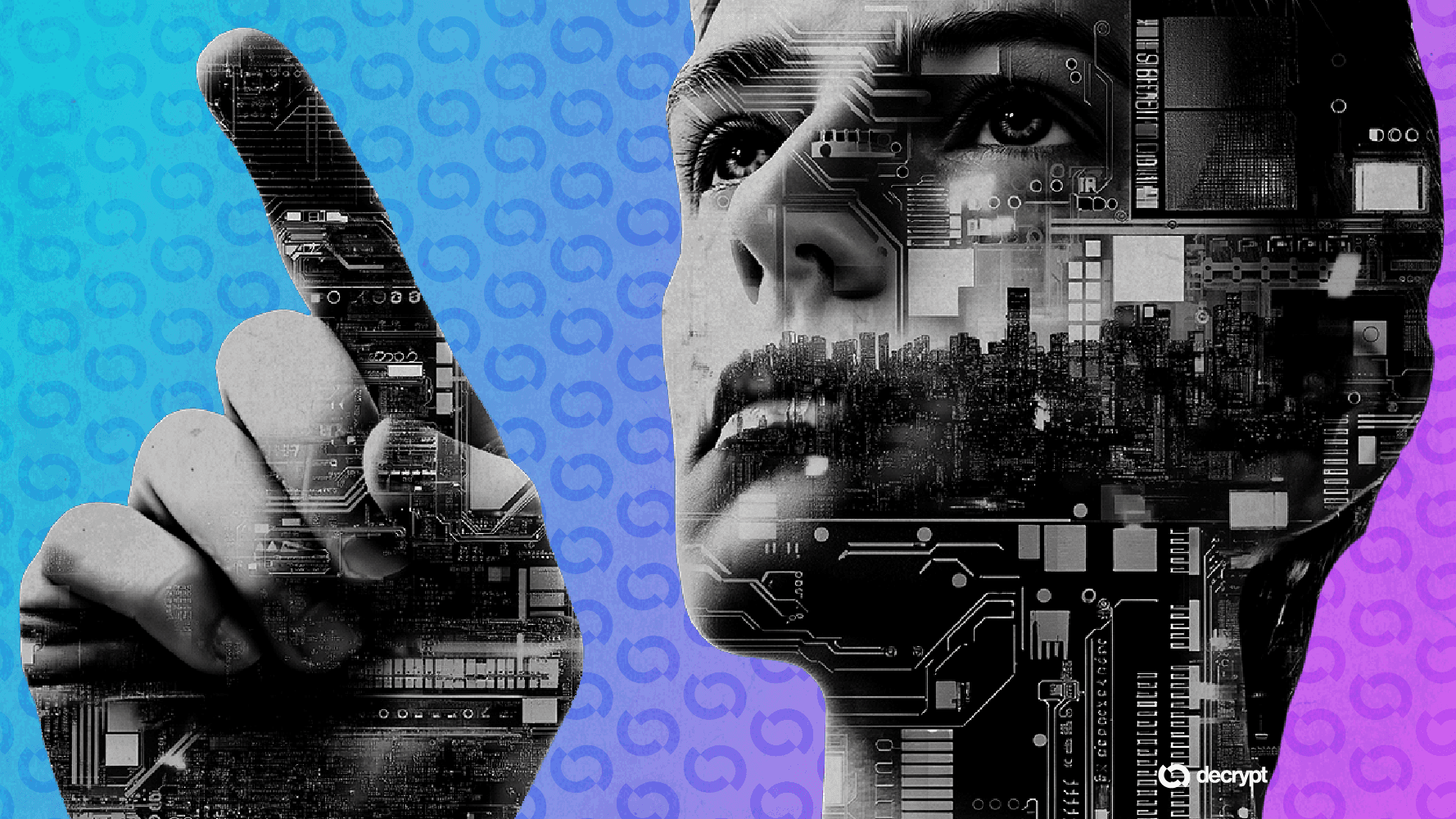
Beijing just dropped new regulatory hammer on emotional AI, and China's heavyweights—ByteDance and Alibaba—are scrambling to comply. The country's first rules specifically targeting humanlike AI agents are forcing the nation's biggest apps to shut down custom agent features, marking a significant shift in how Chinese tech operates.
This isn't regulatory theater. Beijing has made clear that emotional AI—systems designed to mimic human personality and connection—crosses a line the government wants to draw firmly. The timing signals growing concern about AI systems that go beyond functional tools into territory that feels too... human.
What's Getting Shut Down
ByteDance and Alibaba are both pulling back on custom agent capabilities. These features let users create personalized AI assistants with distinct personalities and behavioral traits. Think of them as your own AI companion, tailored to your preferences and interaction style. That's exactly what regulators are targeting.
This move impacts TikTok's Chinese counterpart Douyin and Alibaba's ecosystem of apps—platforms that reach hundreds of millions of users. The scale here matters. We're not talking about niche products; we're talking about mainstream platforms reshaping their AI offerings under government pressure.
The Regulatory Reasoning
Beijing's concerns seem multifaceted. Emotional AI that mimics human traits creates attachment and trust that could be exploited. There's also the data angle—these systems learn about user preferences, psychology, and behavior patterns. The government clearly wants oversight on how personal data feeds into increasingly sophisticated AI models.
The regulations suggest China's authorities are thinking ahead about AI development trajectories. Rather than wait for potential misuse, they're preemptively restricting the technology's emotional dimension.
Market Implications
For traders and portfolio managers tracking China exposure, this is worth monitoring. It signals the government's willingness to intervene in AI development—even when it affects major tech stocks. If Beijing can force ByteDance and Alibaba to sunset features, what else might be on the regulatory radar?
The crypto angle here is indirect but real. Chinese tech regulation often precedes broader restrictions affecting blockchain and Web3 sectors. When Beijing tightens control over one tech frontier, investors should consider whether crypto markets might be next on the oversight agenda.
What's Next
We're likely seeing the template for how China will approach AI regulation. Expect more rules targeting specific AI capabilities rather than blanket bans. Emotional AI was the opener; functional and security-related restrictions could follow.
For international crypto and tech investors, the lesson is clear: regulatory velocity in China can accelerate quickly, and compliance costs for major platforms are real. ByteDance and Alibaba have the resources to adapt, but smaller players in the AI space might feel the squeeze harder.
Alpha Take
China's crackdown on emotional AI reveals the government's playbook for controlling advanced technology—target specific capabilities before they scale. For crypto investors, this demonstrates Beijing's regulatory appetite extends beyond blockchain into adjacent tech sectors. Watch whether these AI restrictions ripple into crypto market policy or influence how Chinese exchanges operate going forward.
Originally reported by
Decrypt
Not financial advice. Crypto investing involves significant risk. Past performance does not guarantee future results. Always do your own research.